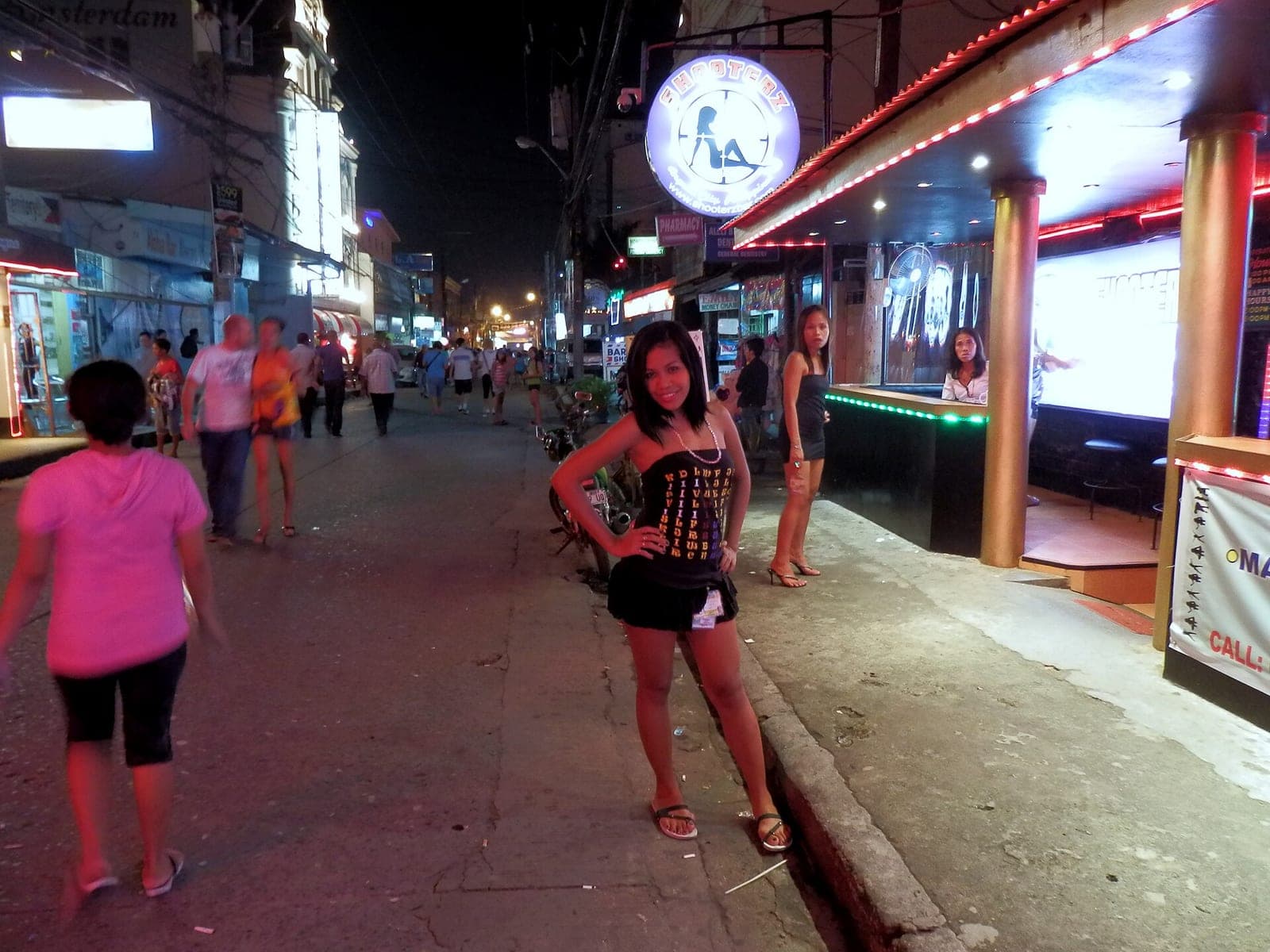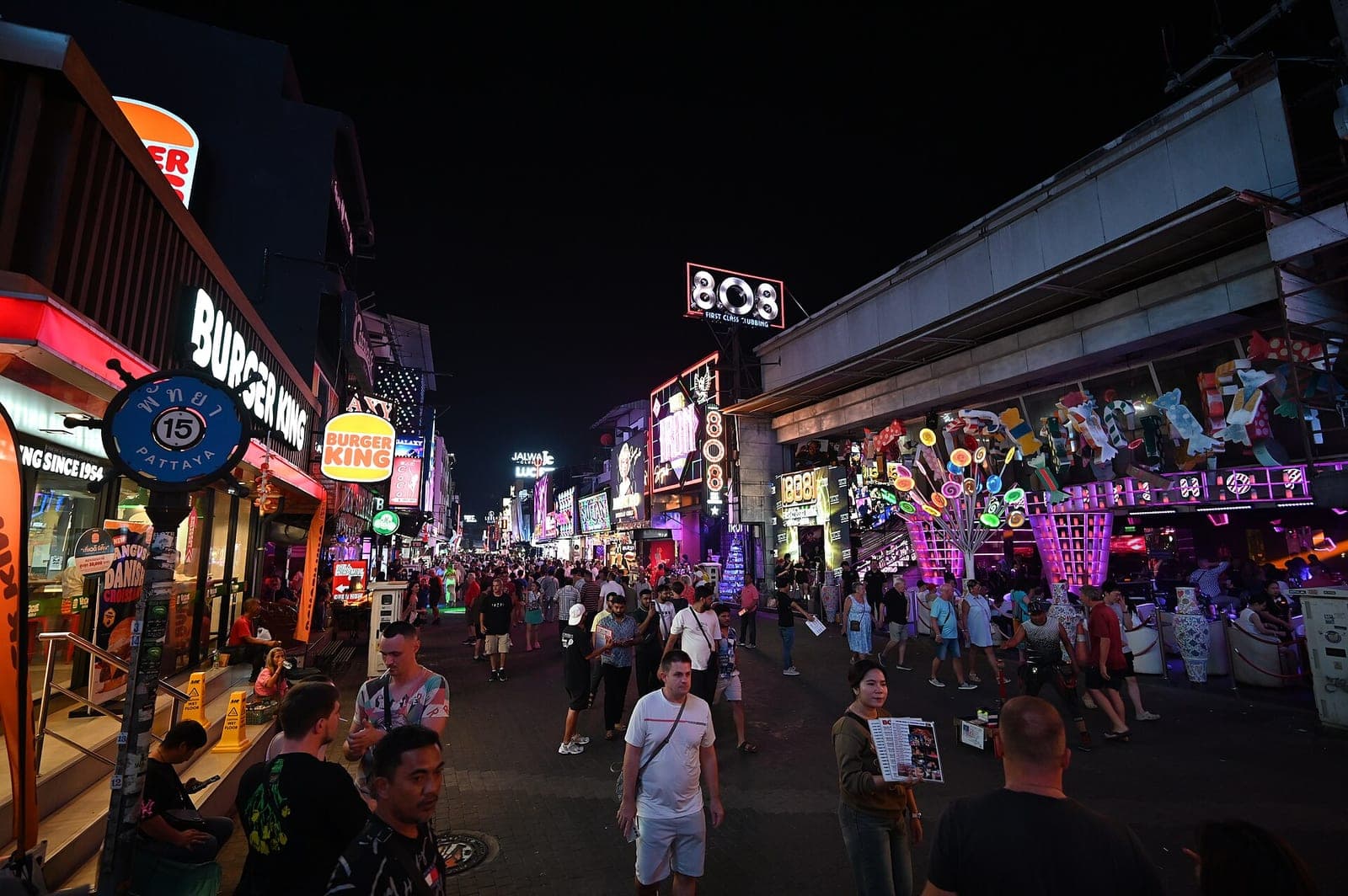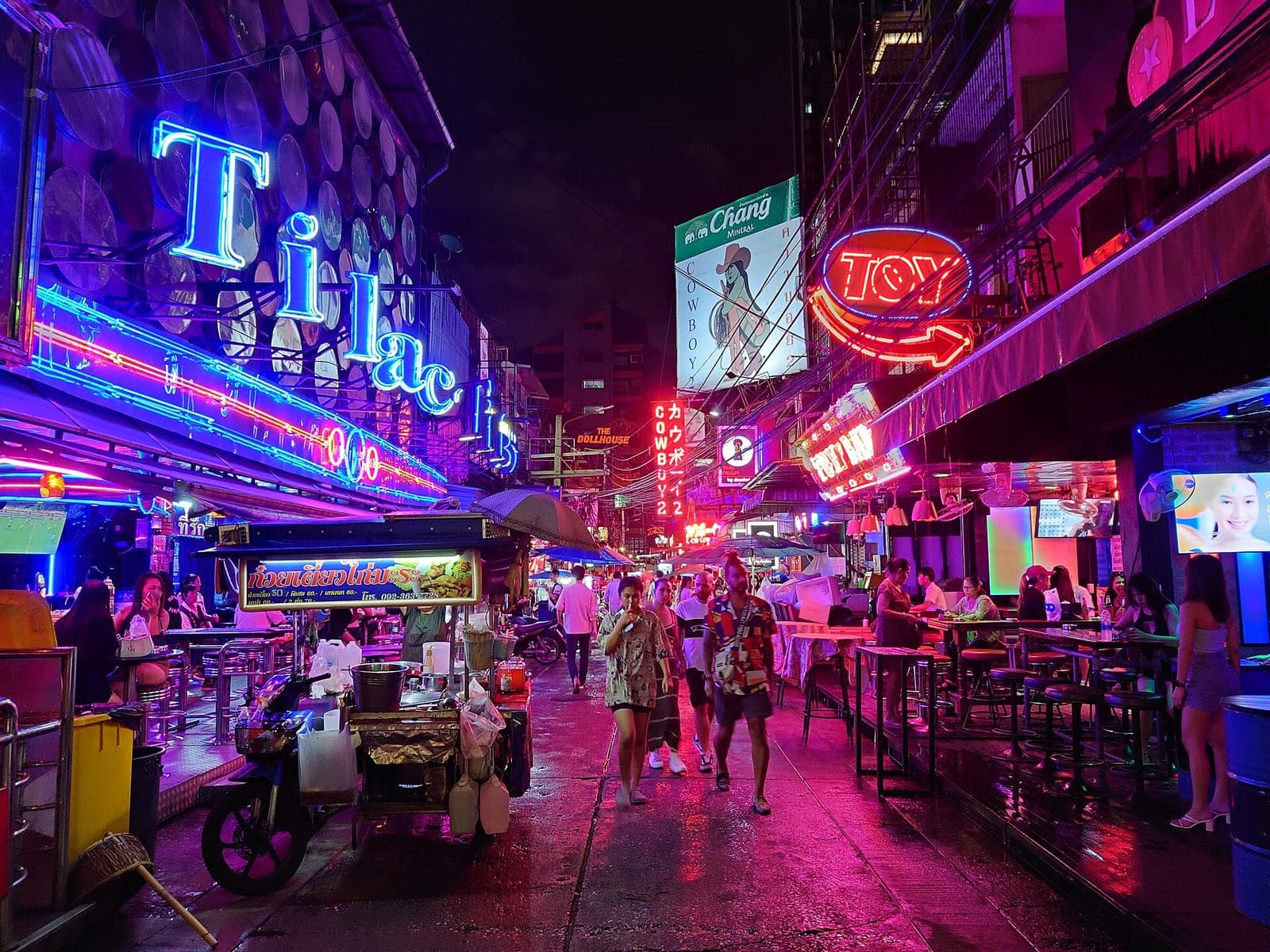


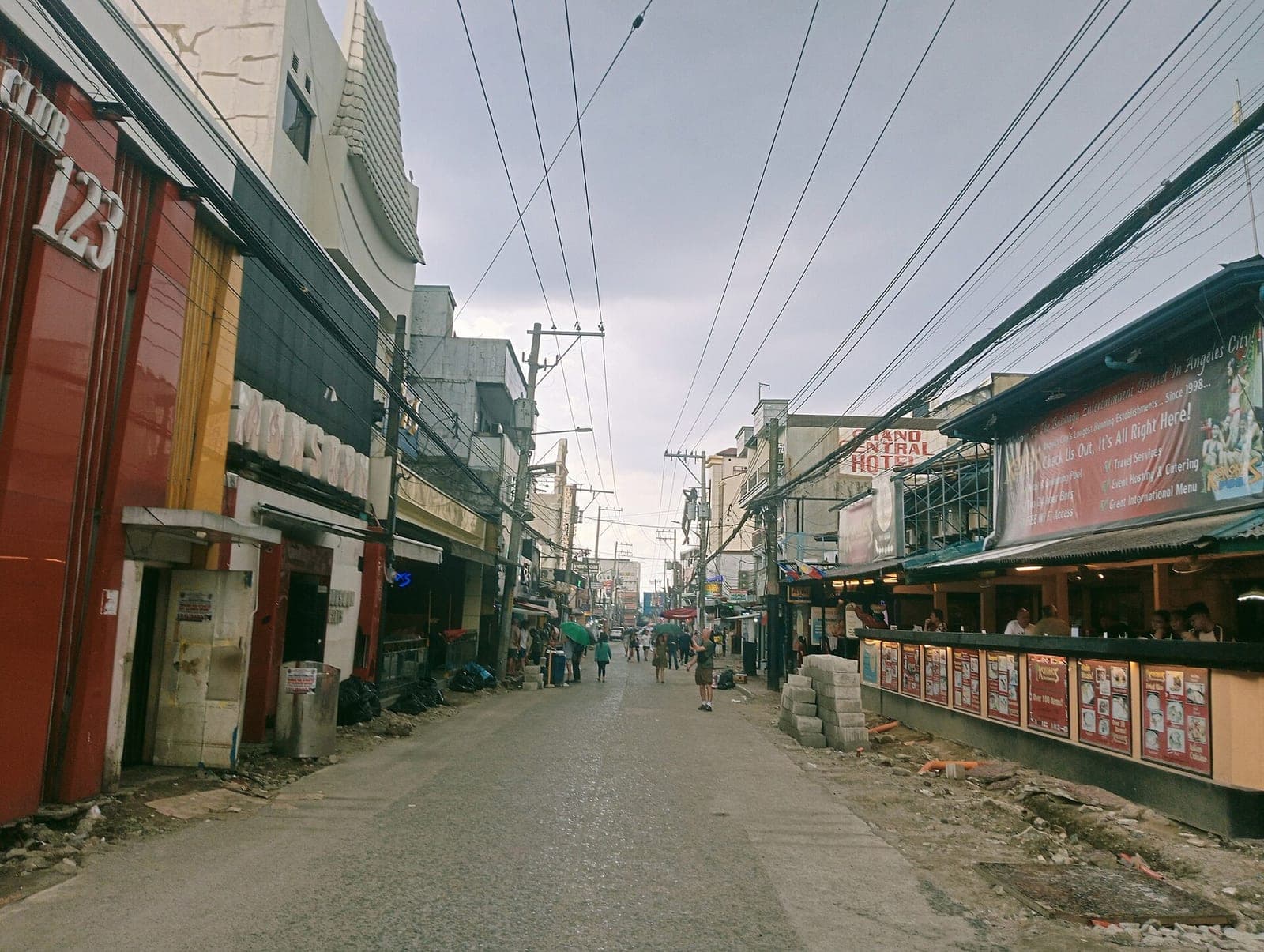










Fields Avenue is the 1.2-mile (2 km) road in Balibago, Angeles City, that runs west from the MacArthur Highway to the old Clark Air Base fence at Don Juico Avenue — and Walking Street, the part everyone talks about, is only its pedestrianized eastern end. The rest of the avenue is where most repeat visitors eat, drink, sleep and spend their mornings, and it is where we would tell you to base yourself.
The name is older than the bars. It began as Clark Field Avenue, the road up to the American air base, and it has had drinking establishments on it since the 1940s — three bars at first, more than a hundred and fifty by the Vietnam years, a slump when the Americans left in 1991–92 after Mount Pinatubo buried the base, and then the great rebuild of the 2000s that produced the district you see now. Two things every old hand will tell you remain true in August 2026: Fields Avenue has more hotels per block than anywhere else in the country, and a low crime rate to go with them.
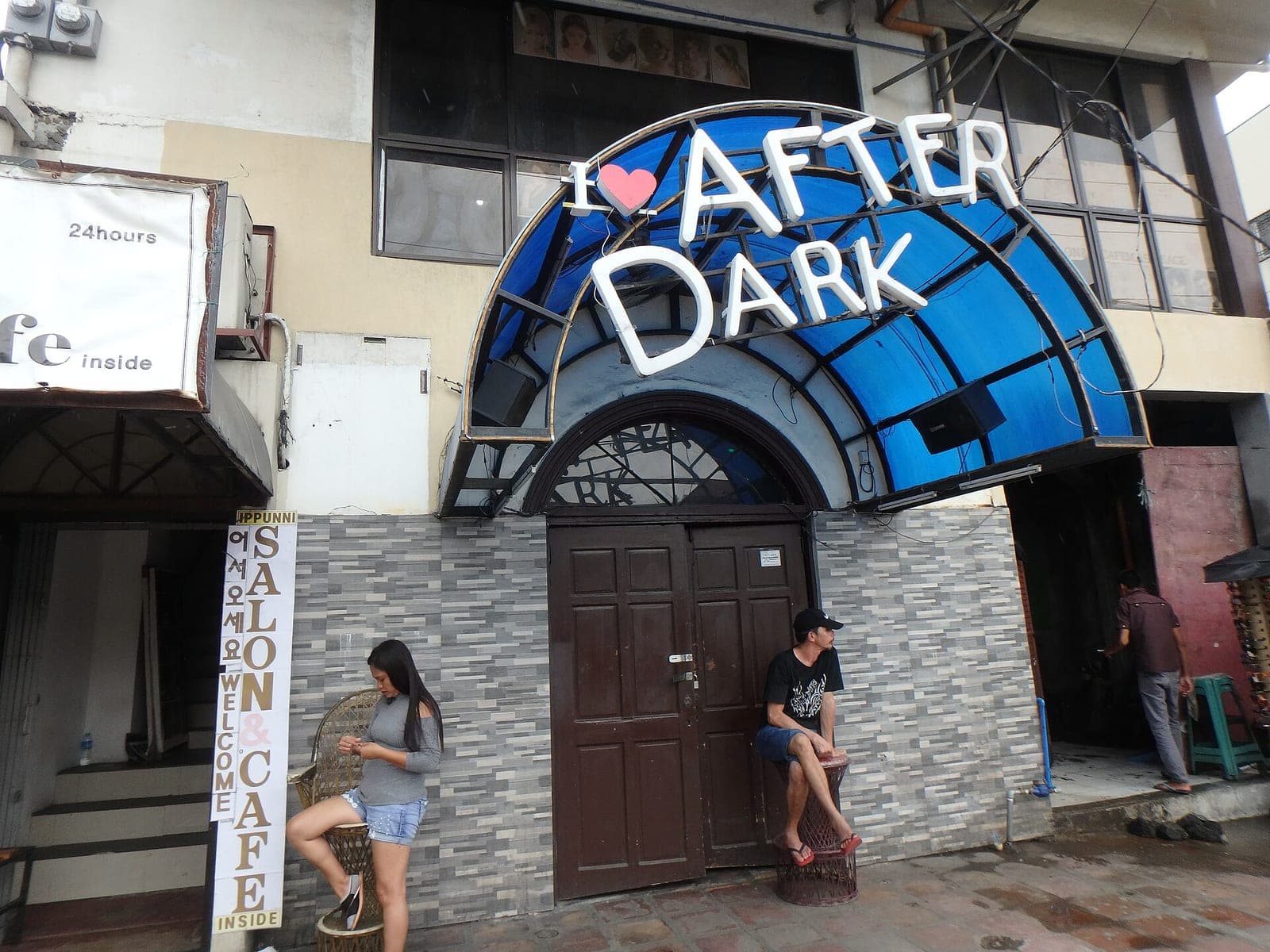
Reading the avenue from east to west. Start at the MacArthur Highway. A short block of hotels, fast food and money changers brings you to the Walking Street arch, where the big go-go rooms pile up and the road closes to traffic after dark. At the far end of the strip you reach the Kokomo's corner: A. Santos Street runs off to the left — a short street of tiny, cheap, old-fashioned beer bars with a jukebox instead of a stage, and the cheapest drinking within a five-minute walk of the arch — and Fields Avenue carries on west, open to traffic again, past a second, looser cluster of bars. After Dark, Passion, Brown Sugar and Midnight Cruiser are the go-go names here, with beer bars, sports bars and the occasional bikini bar in between; old-timers call this stretch "Blow Row," a nickname from a rougher era that is best treated as history. Beyond that the avenue is hotels, apartments, Korean and Filipino restaurants, laundries, pharmacies and 7-Elevens all the way to the Perimeter Road junction, with the Malabañas hotel towers rising off to the left. Turn right onto Don Juico Avenue for Perimeter Road, or carry on for Korea Town.
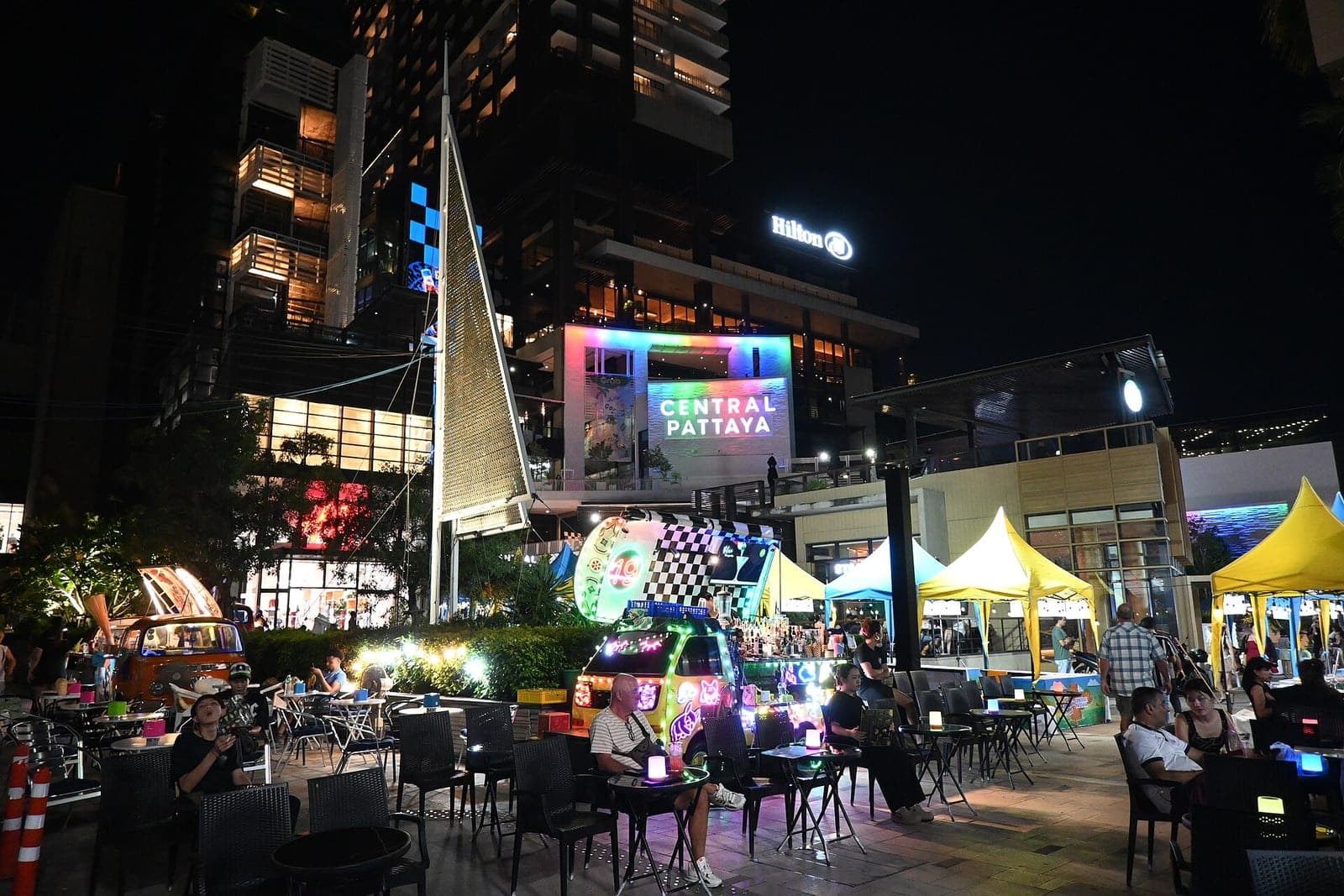
What it is like. If Walking Street is the show, Fields Avenue is the neighborhood. Bars here open earlier and charge less — a San Miguel is typically $2–3.50 (₱100–200) depending on the room as of August 2026, and ladies' drinks $3.50–8 (₱200–450) — and the crowd skews toward men who have been coming for years and know which stool they want. Rooms are smaller, the music is quieter, the mamasans have more time for you, and the women are often older, funnier and more likely to remember you in a week than the Walking Street line-ups. Off-strip go-go bars run the same drinks system as the strip; beer bars are simpler still — sit, drink, chat, tip. Daytime is a different animal: expat breakfast places doing eggs and bacon from seven for $5–7 (₱300–400), Filipino canteens, a stream of trikes and jeepneys, and half of last night's crowd walking slowly toward coffee.
Hotels. This is the practical reason to know the avenue. Everything from $21 (₱1,200) walk-ups to $80 (₱4,500) towers with rooftop pools sits on or just off Fields, nearly all of them guest-friendly — a visitor shows photo ID at the desk and most charge no joiner fee, as reported in August 2026 (see guest-friendly hotels for how that works and where it does not). Rule of thumb: on the strip itself is loud until three; two blocks off — Vian Street, A. Santos Street, Lourdes Street — is quiet by one and has the pools; the Malabañas towers are quiet, cool and a $1–2 trike away. Our six picks, with policies and walk times, are on the Angeles City hotels page.
Getting there and around. From Clark airport it is 20–30 minutes by Grab or fixed-rate taxi, $6–12 (₱350–700) depending on the hour. From the Dau bus terminal it is a $2–3 (₱100–150) trike or a jeepney down the MacArthur Highway to the Fields junction. Along the avenue itself, walk — it is flat and there are sidewalks for most of it — or flag a trike for $1–2 (₱50–100) for anything over ten minutes. Jeepneys run the highway, not the avenue.
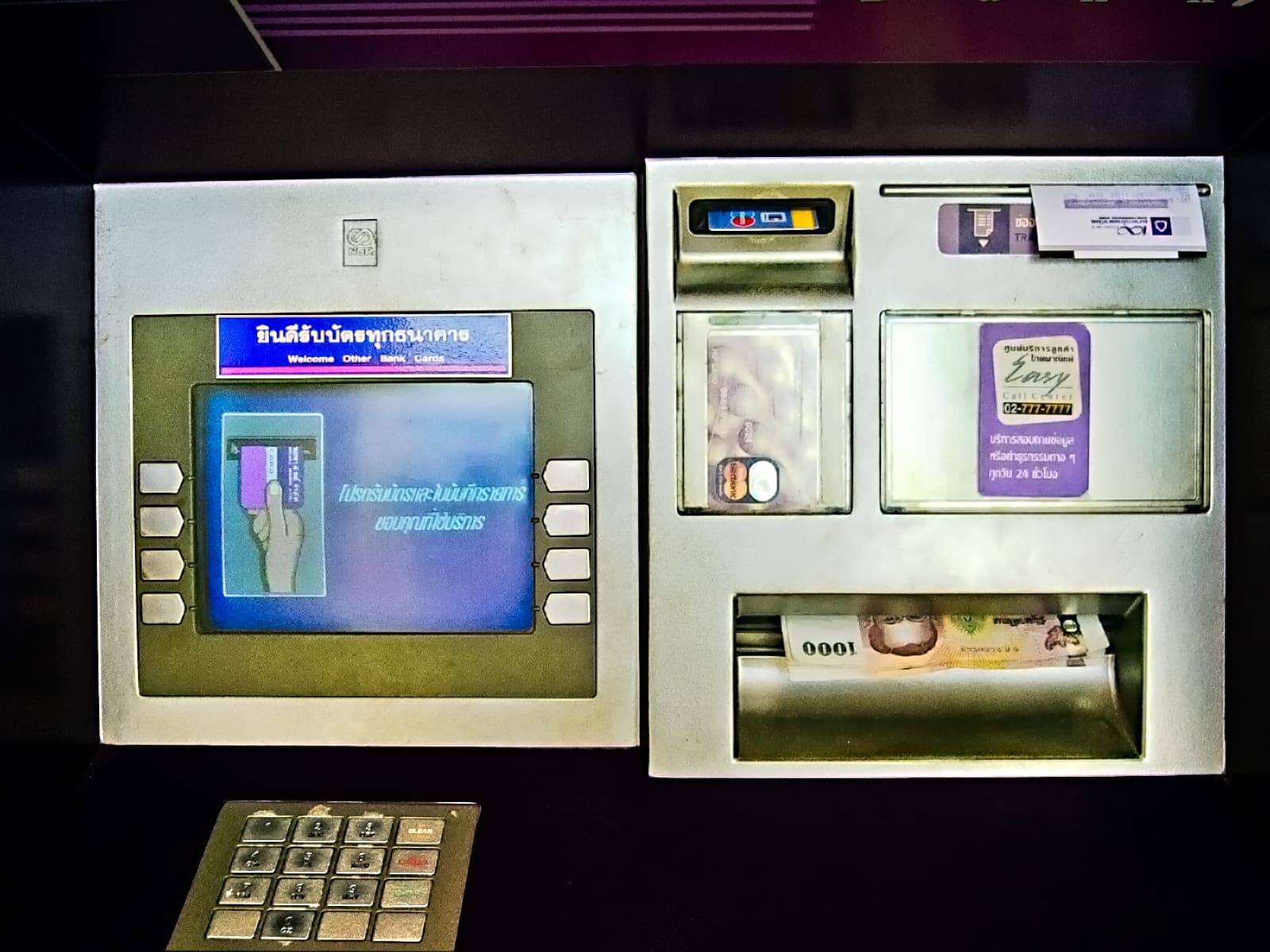
Safety. The 24-hour police station is on the avenue and the whole road is busy until late. Keep valuables in a front pocket, agree trike fares first, do not wander down unlit side lanes drunk at four in the morning, and do not buy anything from anyone who approaches you on the street offering it. The money changers on the avenue generally beat the airport rate; the ATMs inside the bigger hotels are less likely to have been tampered with than the ones on the sidewalk. Nothing about Fields Avenue is dangerous; plenty of it is designed to lighten your wallet if you let it.
A lot of the best-value rooms and cheapest beers are west of Kokomo's. Walk ten minutes past the arch before you decide the town is expensive — and read the first-timer's guide and how the bar scenes work before you do.
Highlights
- + Cheaper, quieter bars a five-minute walk from the strip
- + Hotel after guest-friendly hotel, most with no joiner fee
- + The breakfast and daytime heart of the district
Good for
- staying near the action
- cheaper off-strip bars
- repeat visitors
- hangover breakfasts
- hotel hunting
Drawbacks
- − Cracked sidewalks and fast traffic on the open stretch
- − Not pretty — a working Filipino highway town with neon bolted on
How to get there
Grab or fixed-rate taxi from Clark airport (20–30 min, $6–12 / ₱350–700); jeepney or $2–3 (₱100–150) trike from the Dau bus terminal; on foot from anywhere in Balibago. Trikes along the avenue itself run $1–2 (₱50–100).
Safety note
One of the safer streets in the region, with a 24-hour police station on the avenue. Agree trike fares first, avoid unlit side lanes late, use hotel or bank ATMs, and ignore anyone offering you anything on the street.