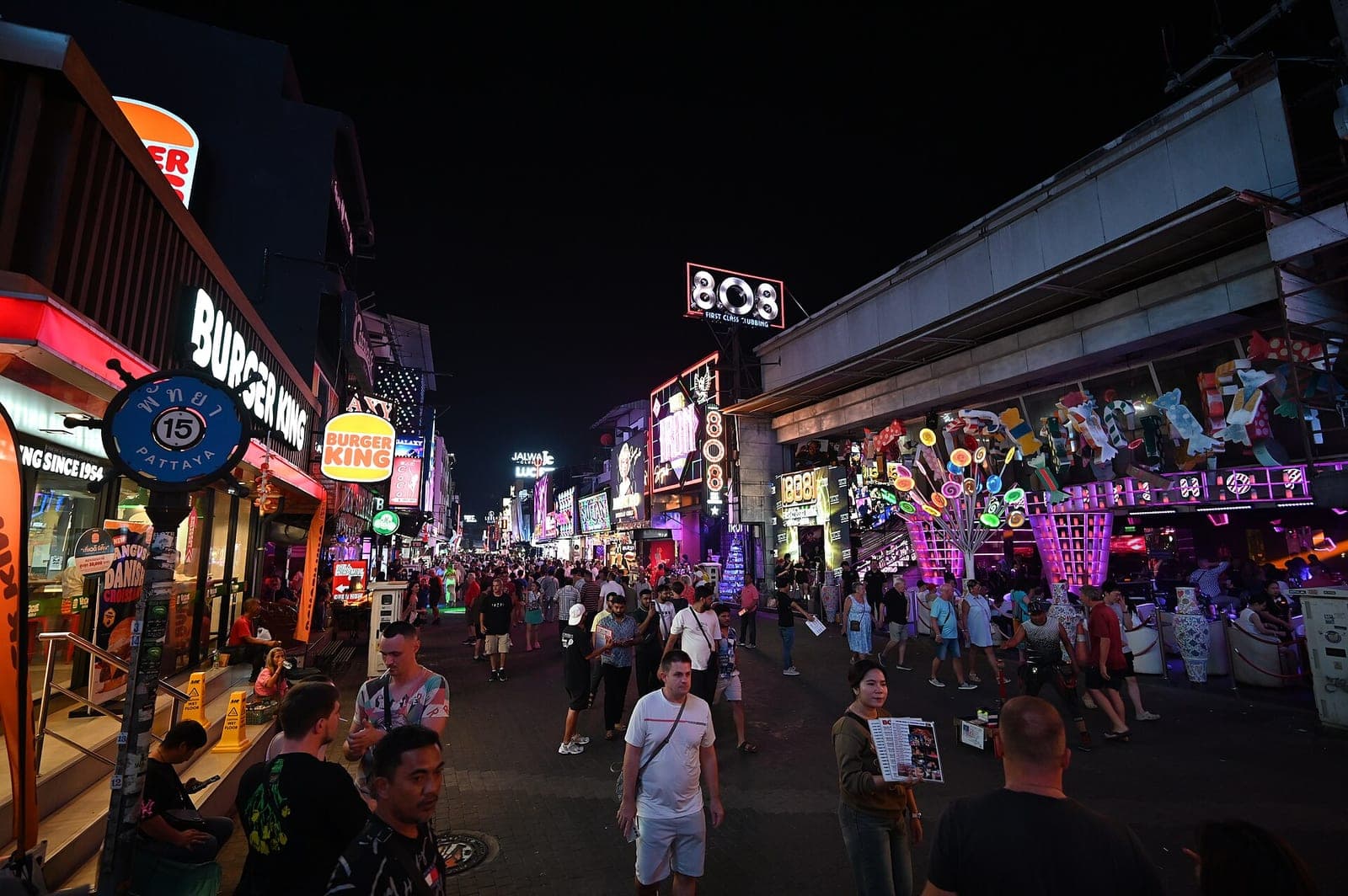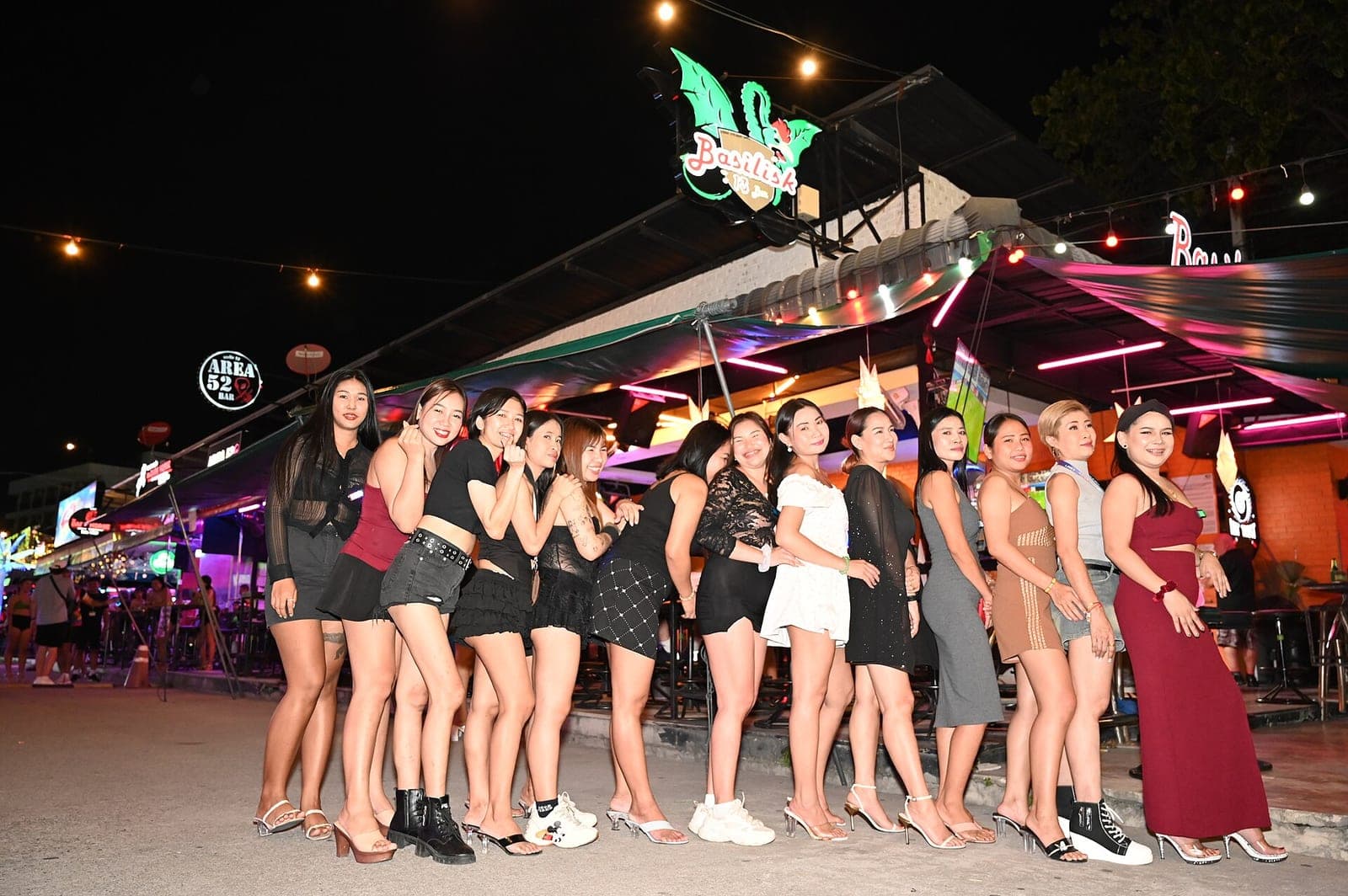


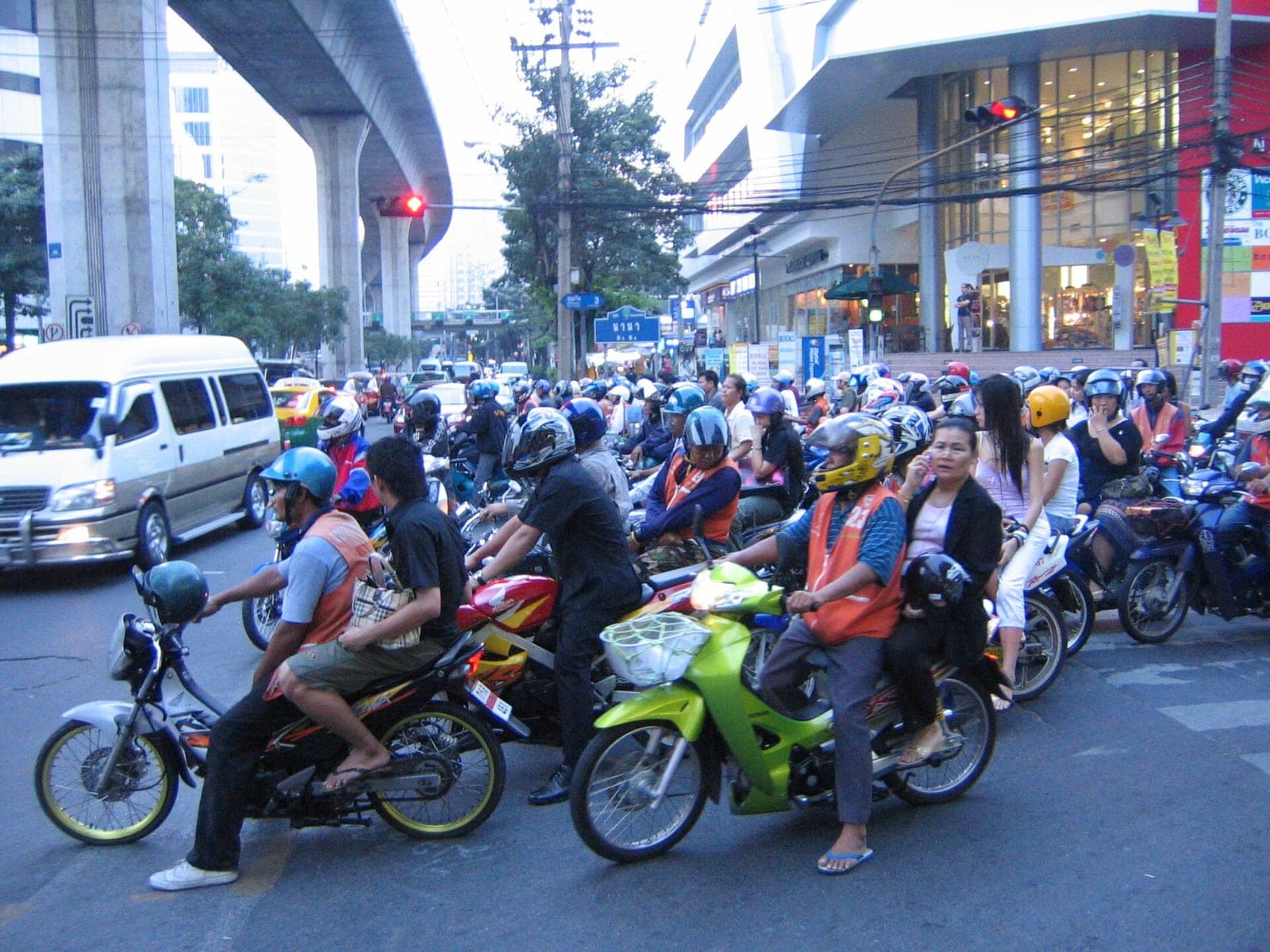
Southeast Asia is, for a sensible adult, safer than most large American cities: violent crime against foreigners is rare, the bar districts of Pattaya and Angeles City are busy and well-lit until the small hours, and the overwhelming majority of visitors go home with nothing worse than a hangover. What actually hurts men out here is a short and boring list — scooters, alcohol, water, and a handful of laws that Americans do not expect — and this page is that list, country by country, as of August 2026.
We are not going to tell you the region is a paradise with no downsides, and we are not going to tell you it is dangerous. Both are lies that cost people money.
What is actually likely to hurt you?
In order, and the order is not close.
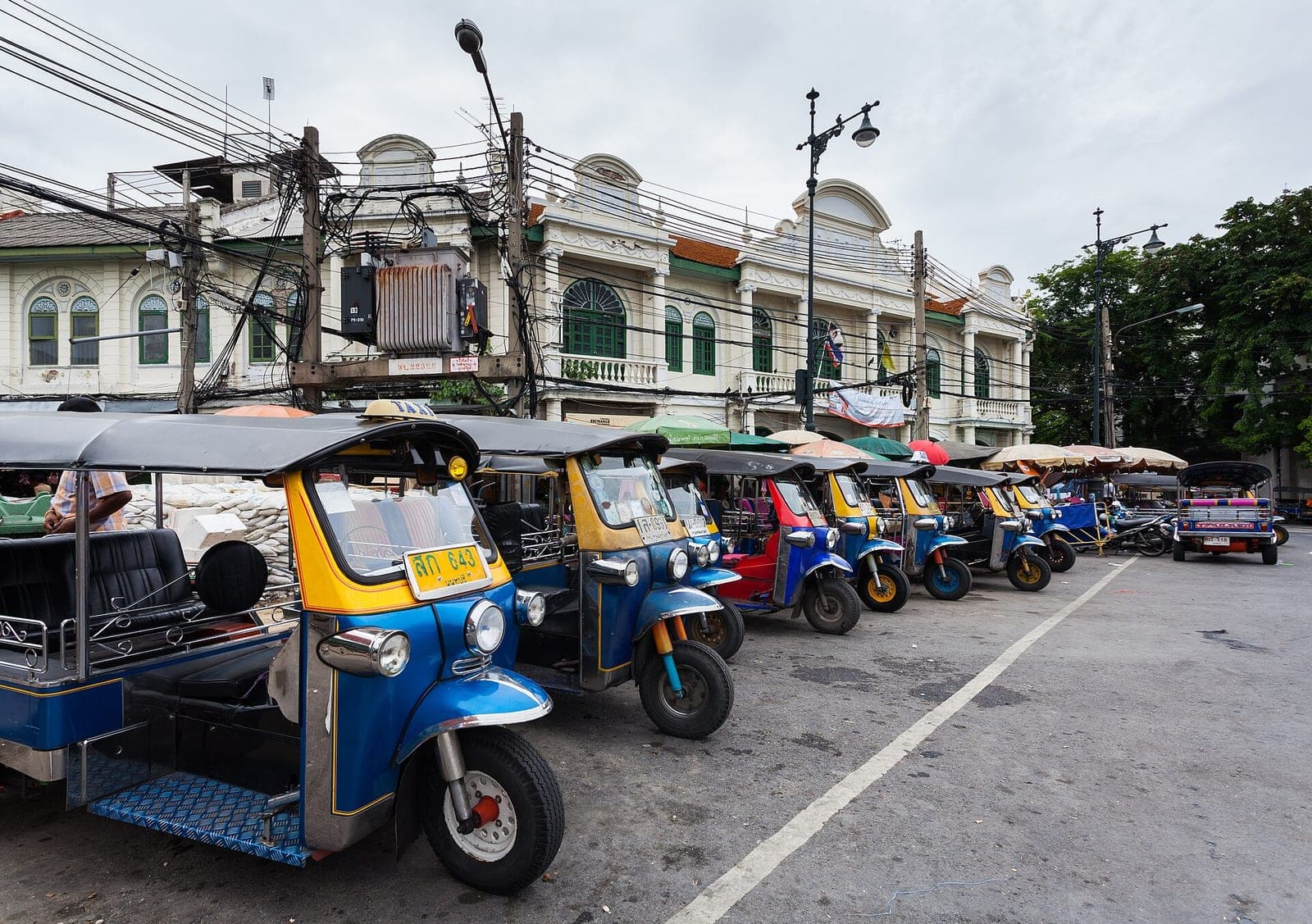
1. A motorbike. Thailand has for years ranked among the deadliest countries in the world for road deaths per head of population, and the great majority of those deaths are motorcycle riders; Vietnam and the Philippines are not far behind. The classic case is a Western man in his fifties who has not ridden in thirty years, on a rented scooter, on unfamiliar roads, in heat, in traffic that follows different rules, after one or two beers. If you do nothing else this page says: do not rent a scooter. A Grab car costs $2–4 (฿70–130 / ₱120–250 / ₫50,000–100,000), a baht bus in Pattaya is $0.45–0.60 (฿15–20), a tricycle in Angeles is $1–1.8 (₱60–100).
2. Alcohol. Almost every bad story we have heard out here has drink in it somewhere: the fall, the argument, the wallet, the woman nobody knew, the ride home. You are also drinking in heat you are not used to. Pace it.
3. Water. Rip currents on the Gulf and Andaman coasts, boat trips with no life jackets, and swimming after drinking. Drownings kill more visitors in Thailand every year than crime does.
4. Theft, almost always without violence. A bag taken from a shoulder by a passing motorcycle, a phone off a bar table, a wallet in a crowd.
5. Everything else, including the things you were worried about before you booked.
How safe is each country?
| Country | The honest read | The specific thing to watch | Areas to avoid |
|---|---|---|---|
| Thailand | Very safe for violent crime; the risks are traffic, water and scams | Rented scooters; the bar-tab argument at 2am | The far-southern provinces on the Malaysian border |
| Philippines | Safe in the places you are going, with real street theft | Motorcycle bag-snatching; phones on the street in Manila | Mindanao and the Sulu archipelago |
| Cambodia | Low violent crime, the region's worst snatch-theft problem | Phones and bags taken from passing motorbikes in Phnom Penh, day and night | Border areas, remote provinces after dark |
| Vietnam | Very low violent crime, heavy street theft in Saigon | Bag-snatching around Bui Vien and Ben Thanh; crossing the road | — |
| Indonesia | Safe in Bali's tourist strip; drug laws are severe | Drink quality in cheap bars; ATM skimming; scooter crashes | — |
| Malaysia | The safest of the six on the street | Snatch thefts in Kuala Lumpur; strict drug laws | Eastern Sabah's coastal islands |
The US State Department maintains advisories for all six countries with region-specific warnings; check the current level for your destination before you fly, and note that the level for a whole country rarely describes the tourist district you will actually be in.
Petty theft: how it really happens
The dominant crime against visitors across the region is snatch theft from a moving motorcycle. Two men, one bike, and a bag on your street-side shoulder or a phone in your hand at a curb. It takes a second, it is over before you register it, and if the strap does not break you get dragged — which is where the injuries come from.
In Manila it is the classic street crime and it has a local name. In Phnom Penh it is worse than anywhere else on this list, brazen, and it happens on the riverside in daylight as well as at night. In Ho Chi Minh City it clusters around Bui Vien and the backpacker streets.
The defenses are all boring and all work:
- Wear a small bag across your body, on the side away from the road. Nothing on one shoulder.
- Do not walk along a curb with your phone out. Step into a doorway to check the map.
- Book a Grab instead of walking between districts at night. It costs a couple of dollars.
- Leave your passport in the hotel safe and carry a photocopy, one card and the day's cash.
- Nothing in your back pocket, ever, in a crowd or on a bar street.
In bars, the losses are simpler: a phone left on a table, a wallet in a jacket over a chair. Keep both on you.
Drink spiking, and the more common version of it
Genuine drink spiking is reported in nightlife areas across the region and it is worth guarding against — watch your drink poured, do not leave it unattended, do not accept an opened drink from a stranger, and be wary of anyone unusually insistent that you have another.
The much more common version is not a drug at all: a man drinks far too much, is separated from his phone, cash and dignity by people who did not need to spike anything, and wakes up assuming he was drugged. Both problems have the same fix, which is drinking at a pace you would use at home and getting into a booked car rather than wandering.
One regional note: methanol poisoning from adulterated spirits has killed tourists in Southeast Asia, most notably in an incident in Laos in late 2024 that killed six travelers. It is very rare, and it is concentrated in cheap free-poured spirits and hostel shots rather than in bottled beer or drinks poured from a sealed bottle in a normal bar. In an unfamiliar place, drink beer.
Bar-tab disputes, and how not to turn one into a fight
Most bar disagreements are arithmetic, not crime, and Scams: the ones that are still running, and how to handle each covers the mechanics of a padded tab. The safety rule is separate and short.
Never escalate a money argument inside a venue you cannot easily walk out of. Query the bill politely, at the table, early. If the answer is unreasonable, decide whether the amount is worth it — usually it is not — pay, leave, and report it to the tourist police from the street. Refusing to pay while surrounded by staff in an upstairs room is how a bad evening becomes a hospital visit. Nothing on a bar tab is worth being hurt over, and there is no version of "standing your ground" that works in a country where you do not speak the language and have a flight on Thursday.
Police, "fines" and what real enforcement looks like
Real police in Thailand do stop foreigners, most often on motorbikes, for a missing helmet or an invalid license. A genuine fine comes with a printed receipt and a small amount of money, and paying it is unremarkable. What is not normal is a plain-clothes man asking to see the cash in your wallet: that is covered in Scams: the ones that are still running, and how to handle each, and the answer is always to ask to go to the station.
Thai police also conduct raids on bars and clubs, including checks of customers, and these are real, routine and occasionally include drug testing. If it happens: cooperate, stay calm, say nothing clever. In Cambodia and Vietnam the equivalent is a traffic stop with an on-the-spot fine, which is a normal part of life for locals too.
The universal rules: stay polite, do not raise your voice, do not offer money to anyone, do not touch an officer, and ask for the tourist police (1155 in Thailand) if you feel out of your depth. Losing your temper with anyone in a uniform in this region turns a small problem into a large one within about ninety seconds.
Drugs mean prison
There is no soft version of this paragraph.
Every country on this site imprisons people for drug possession, for years. Indonesia and Malaysia retain the death penalty for trafficking, and the quantities that count as trafficking are smaller than most Americans imagine. The Philippines hands down long sentences. Vietnam and Cambodia are severe. Thailand re-tightened its cannabis rules in June 2025, and cannabis flower now requires a prescription from a Thai practitioner — a US medical card is worth nothing there — with fines and possible imprisonment for buying without one.
Three practical points, then we will stop. Never carry anything for anyone, including a bag you did not pack. Never accept anything from a tout on a bar street; a proportion of them work with the people who will arrest you. And do not cross a border with anything at all — Malaysia, Indonesia and Singapore treat what you were carrying, not where you bought it, as the offense.
Laws that surprise Americans
- Lèse-majesté in Thailand. Article 112 carries three to fifteen years per count, applies to foreigners, and covers social media posts made years ago in another country. An American academic working in Thailand was arrested and charged under it in 2025. Do not discuss the Thai royal family, do not repost anything about it, and do not step on a dropped banknote — the King's image is on it.
- Vapes. Illegal to import or possess in Thailand, with enforcement stepped up sharply through 2025; banned in Vietnam since 1 January 2025 and in Cambodia for years. Tourists are fined and devices confiscated. See Packing list: two weeks in Southeast Asia.
- Indonesia's revised criminal code, in force since January 2026, includes complaint-based offenses covering sex outside marriage and cohabitation. Enforcement requires a complaint from a spouse, parent or child rather than a hotel or a passer-by, but it exists.
- Drones need registration or permits nearly everywhere and are confiscated at airports.
- Malaysia's khalwat laws apply to Muslims, not to you — but they can be used against a Malay Muslim woman you are with.
Emergency numbers
| Country | Police | Ambulance | Fire | Tourist help |
|---|---|---|---|---|
| Thailand | 191 | 1669 | 199 | 1155 (tourist police, English) |
| Philippines | 911 | 911 | 911 | Department of Tourism hotline |
| Cambodia | 117 | 119 | 118 | Tourist police, Phnom Penh |
| Vietnam | 113 | 115 | 114 | — |
| Indonesia | 110 | 118 / 119 | 113 | 112 from a mobile |
| Malaysia | 999 | 999 | 999 | 112 from a mobile |
Save the ones for your destination in your phone before you land, along with your hotel's address written in the local script — a screenshot is enough — and your insurance policy number. In a city, a Grab to a private hospital is often faster than an ambulance; Health and insurance: what to arrange before you fly, and where to go if it goes wrong lists the hospitals worth going to.
Insurance, and the one thing to do before you fly
Buy travel medical insurance with real medical evacuation cover, and read the motorbike clause. Medicare does not work outside the United States, private hospitals here want payment or an insurer's guarantee before they treat you, and a policy costs $50–150 (US$50–150). That is the whole argument. Health and insurance: what to arrange before you fly, and where to go if it goes wrong covers what a policy must include, the vaccines to get and where to go when something happens.
The other thing worth doing before you fly has nothing to do with risk and everything to do with how the trip goes: know who you are meeting and where. Men who land with a plan — a hotel booked near the scene, a first date arranged, a couple of people expecting them — get into far less trouble than men who land with an empty week and a bar stool. That is what Online dating before you fly: how the smart guys land with a date already booked is for, and it is worth  starting a few weeks before you fly.