



















Cebu is the oldest city in the Philippines and the country’s second metropolis — roughly a million people in Cebu City itself and close to three million across Metro Cebu — strung along the east coast of a long, narrow island in the middle of the archipelago, with the international airport and the resort beaches on Mactan Island across two bridges. For a single Western man it is the most balanced destination in the country: a real nightlife district that is nonetheless a fraction the size of Angeles City, a city that works as a place to live rather than only to visit, and — this is the part that matters — the best relationship prospects of any city in this guide.
The lay of the land. Two areas carry the nightlife and they are twenty minutes apart.
Mango Square is the traditional one: the middle stretch of General Maxilom Avenue, which everybody calls Mango Avenue, running from the Fuente Osmeña roundabout toward the sea. The Mango Square complex itself holds a handful of the city’s busiest dance clubs, and the blocks around it hold the KTV lounges, the bikini bars, the long-running expat pubs and sports bars, and the late-night food. It is compact, it is old-school, and it is where a visitor who wants the familiar Philippine bar system will end up.
Mactan is the other: Lapu-Lapu City on the island next door, where the airport, the resort strip and the beach clubs are. Nightlife there is quieter and mostly happens inside hotels — sunset cocktails, DJ nights at a beach club, a resort bar with a band — but the sea is on the doorstep and the diving and island hopping start from the same pier.
Between them sit the two districts where modern Cebu actually drinks: IT Park in Lahug, a compact grid of towers, coffee shops, food trucks and bars serving tens of thousands of call-centre and IT workers on rotating shifts, and Cebu Business Park around Ayala Center, which is smarter, pricier and full of after-work crowds. Neither is a nightlife destination in the way Poblacion is in Manila, but between them they are where most of the single women in this city spend their evenings.
How a typical night works. Dinner around eight — Filipino, Japanese, Korean or a decent steak, $8–18 a head. Drinks at IT Park or Ayala with whoever you have arranged to meet. Then, if you want the strip, a $2 Grab to Mango, where the clubs fill after eleven and the KTVs and bikini bars run to two or three. In the bikini bars and KTVs the system is the standard Philippine one — you sit, a woman joins you, you buy her a ladies’ drink at $3.50–6 (₱200–350), and the manners that make it work are in how the bar scenes work. Prices are noticeably lower than Manila and the rooms are smaller and more local; you will often be the only foreigner in the place.
What a week costs. Cebu is cheaper than Manila and about level with Angeles City. Per man, August 2026, excluding international flights:
| Item | Budget | Comfortable |
|---|---|---|
| Hotel, 7 nights | $210 ($30/night) | $525 ($75/night) |
| Food | $110 | $250 |
| Bars and drinks | $150 | $400 |
| Grab and trips | $60 | $150 |
| A day trip or a dive day | $50 | $150 |
| Week | ~$580 | ~$1,475 |
A San Miguel in a Mango Avenue bar is $1.60–2.60 (₱90–150); in a Mactan resort bar, roughly double. Manila–Cebu return flights run $60–120 and take 75 minutes.
Who Cebu suits. The man who wants a woman to keep in touch with rather than a fortnight of bars. The man who dives, or who wants a beach and an island in the same trip as a city. The man who has done Angeles City twice and wants somewhere that does not run out after five nights. Anyone thinking seriously about living in the Philippines — Cebu is the expat capital of the Visayas for good reasons: healthcare, an international airport, English, and a cost of living that lets a modest US pension go a long way.
Who it does not suit. The first-timer who wants the biggest, densest, easiest bar scene for the least effort. That is Angeles City or Pattaya, and we say so in the first-timer’s guide and will say it again in the Manila vs Cebu comparison. A man who lands in Cebu cold, with no plans and no conversations started, can have a thin week: the scene is small enough that three nights covers it.
Safety. Cebu is safer than Manila and roughly on a par with Angeles City for a sensible adult. The specific risks, in order: phone and bag snatching from motorbikes on unlit side streets; pickpockets around Colon Street and Carbon Market, which are not places to wander after dark; padded tabs and pushy drink-buying in a couple of the Mango Avenue rooms; and taxi and ride-hailing games late at night around the strip, which Grab mostly solves. Drugs mean prison in this country — not a fine, not a warning. The rest is in the safety page and the scams page.
Daytime, which is the point. This is the only city in the Philippines we cover where the days compete with the nights. Mactan has the resort beaches and the island-hopping boats to Hilutungan and Nalusuan; Moalboal, three hours southwest, has the sardine run you can snorkel from the shore; Oslob, three hours south, has the whale sharks; Kawasan Falls, Bantayan and Malapascua are all day-or-weekend trips. In the city itself there is the Basilica del Santo Niño, Magellan’s Cross and Fort San Pedro — the founding furniture of Spanish Asia, all within a few blocks.
Sinulog. On the third Sunday of January the city gives itself over to the Santo Niño and holds the biggest street festival in the Philippines: a grand parade from the Cebu City Sports Center along Osmeña Boulevard and General Maxilom, days of dancing, and millions of people in the streets. Sinulog 2026 fell on 18 January; the next one is 17 January 2027. It is spectacular and it is chaos — book your room four months out, expect rates to double or triple, expect road closures and drinking rules that change by the year, and expect the bars around Mango to be the busiest they get all year.
How it has changed. Cebu was a diving and business town that acquired a nightlife rather than the other way round. The Mango Avenue strip has been trading since the 1980s and is smaller and shabbier than it was; the pandemic closed rooms that never reopened, and the energy has drifted to IT Park and Ayala, where the crowd is local and the drinking is ordinary. Meanwhile the airport has grown — the 2018 international terminal and roughly nineteen overseas destinations as of August 2026, including Seoul, Busan, Tokyo, Osaka, Singapore, Hong Kong, Taipei and a seasonal Dubai — and the foreign resident population has grown with it. The scene is smaller than it was; the city is bigger, richer and easier. For our purposes that is a fair trade, because the women you actually want to meet here were never in the bars.
Scorecard
How Cebu rates
Our 1–5 scores, the same ones that drive the rankings page. Opinion, consistently applied.
- Scene
- 3out of 5
- Ease of meeting
- 4out of 5
- Value
- 4out of 5
- English
- 5out of 5
- Safety
- 4out of 5
- Hotels
- 3out of 5
- Daytime
- 4out of 5
- Access from US
- 4out of 5
- Relationship odds
- 5out of 5
The vibe
Warm, unhurried and a little provincial for a city of a million: Spanish churches, call-centre towers, a small neon strip, and the sea twenty minutes away in three directions.
Best for
- men looking for a relationship rather than a holiday
- divers and beach days
- second and third trips to the Philippines
- anyone scouting a place to retire
Not for
- first-timers who want the biggest bar scene
- men who want a different strip every night
- anyone arriving with no plans and no conversations started
When to go & how to get around
January to May is the dry, reliable half of the year and February to April the sweet spot — hot, sunny, calm seas for diving. January means Sinulog on the third Sunday: spectacular, packed, and double or triple room rates, so book months ahead or avoid it deliberately. June to November is the wet half, with afternoon rain rather than all-day rain and a genuine typhoon risk from October to December — Cebu takes a bad one every few years. The bars run regardless; the boats do not.
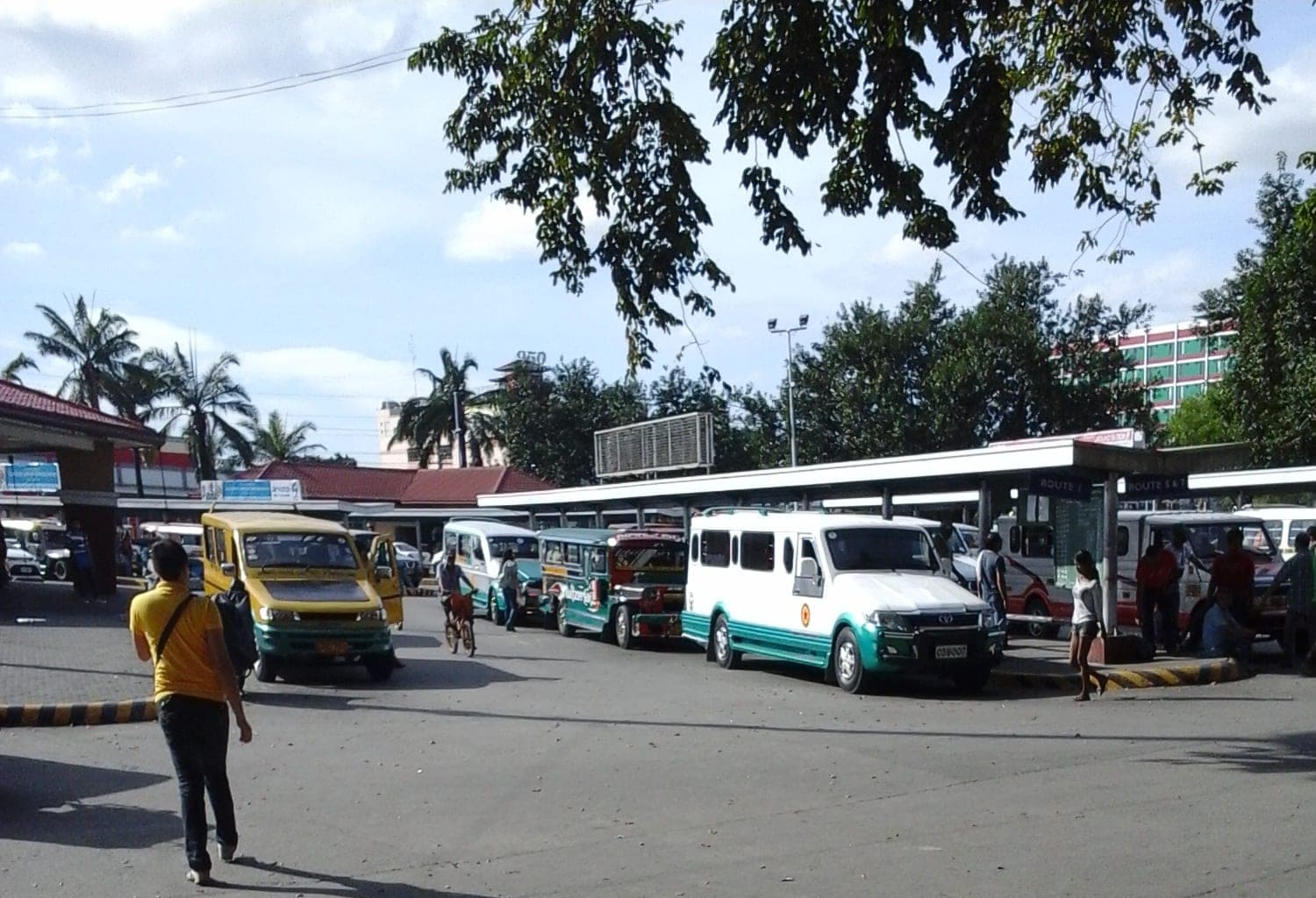
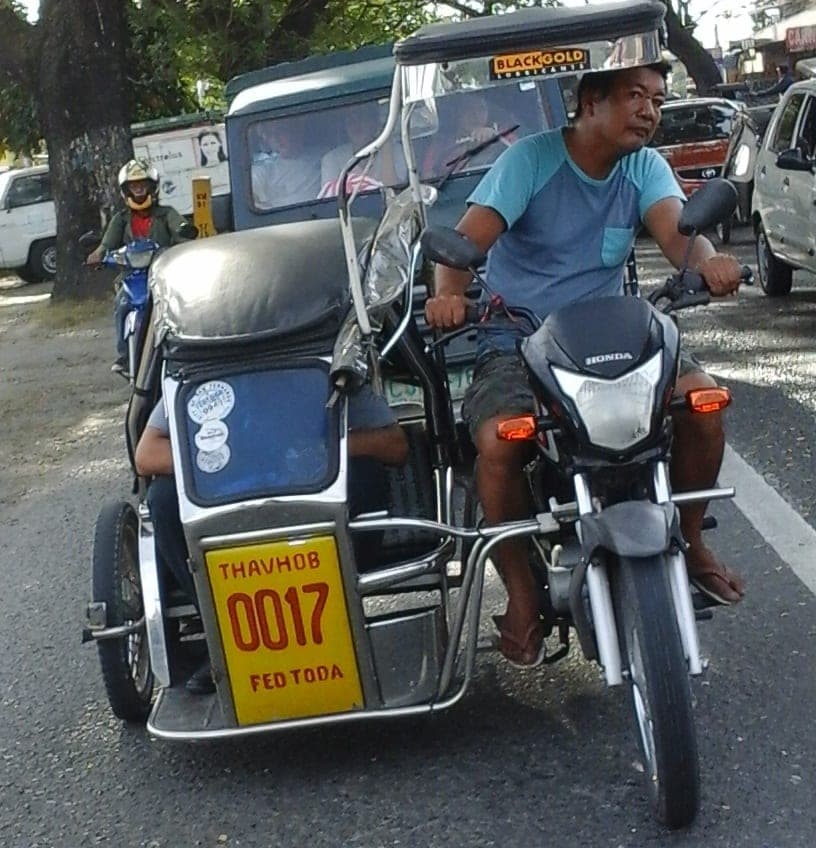
Grab for almost everything: $2–4 (₱120–250) across the city, $8–12 to or from the airport. Taxis are metered and mostly honest but Grab removes the argument. Jeepneys and the modern minibuses cost under $0.30 and are an experience rather than a plan. Mactan is a car ride, not a walk, and the bridges clog at rush hour. For Moalboal, Oslob or the north, hire a car and driver for the day ($60–90) or take a Ceres bus from the South or North terminal.
Safer than Manila, roughly on a par with Angeles City. Keep your phone in a front pocket on unlit side streets, avoid Colon Street and Carbon Market after dark, watch your tab in the Mango Avenue rooms, and use Grab rather than a street taxi late at night. Typhoon season runs roughly October to December. Drugs mean prison here.
The point of the trip
Meeting women in Cebu
Cebu scores 5 out of 5 on relationship prospects — the only city in this guide that does — and 3 out of 5 on the size of the scene. Those two numbers together are the whole story. If your goal is a week of bars, Cebu will disappoint you. If your goal is a woman you are still talking to at Christmas, nowhere in Asia gives you better odds.
Why the odds are good. Cebu is a university and call-centre city. The University of San Carlos, the University of San Jose-Recoletos, Cebu Institute of Technology and half a dozen others put tens of thousands of students through the city, and IT Park and Cebu Business Park employ tens of thousands more in BPO work — young women on night shift, fluent in American English, working American hours, well used to talking to Americans on the phone all night. Cebuana women have a regional reputation for being softer-spoken and more family-minded than Manileñas, and while you should treat any generalisation about a million people carefully, the practical version holds up: conversations here move toward family, church and the future faster than they do anywhere else in the region.
The women in the bars. Around Mango Square the system is the standard Philippine one — bikini bars and KTV lounges with hostesses, a ladies’ drink as the price of company, a mamasan running the floor. The rooms are small, local and cheaper than Manila or Angeles City, and the women are mostly from Cebu province and the nearby Visayan islands. There are far fewer of these rooms than there were a decade ago, and the trade is quieter and more discreet than on Fields Avenue. Freelancers work the clubs at Mango Square and, less openly, the bigger hotel bars. It is a real scene; it is just a small one.
The women who are not in the bars. This is Cebu’s actual scene, and it is large. You meet them at IT Park after a shift, at Ayala Center on a Saturday, in the coffee shops, at church on Sunday if that is your thing, at a friend’s birthday — Filipino social life runs on introductions, and one genuine friend in this city is worth a month of walking into bars. And you meet them online, which is how the overwhelming majority of these relationships now start. Meeting women outside the bars covers the ground rules.
How the approach differs. Slower, more verbal, more public and much easier than at home. Expect a first meeting in a mall or a coffee shop rather than a bar, expect a cousin or a friend to come along, expect to pay for lunch, and expect the family to be mentioned inside the first hour. None of that is a warning sign; it is how it works. Being direct about what you want is fine. Being crude about it is not, and word travels in a city this size.
The age gap and the economics, stated plainly. Most of our readers are 40 to 70; most of the women they will meet in Cebu are 22 to 40. Filipino culture is markedly more relaxed about that than American culture, and a courteous, solvent man of sixty does perfectly well here provided he is honest about being sixty. The economics are equally plain: a call-centre agent earns $300–450 a month, a nurse not much more, and an American income is a life-changing sum in that context. You will be asked to help — with a fare, a phone, a hospital bill, a sibling’s tuition. Decide in advance what you can give without resentment, give rather than lend, and never send money to anyone you have not met in person. Red flags and romance scams is required reading, and it matters more here than in Angeles because the relationships here get serious faster.
What the prospects honestly are. Very good, with the caveats that come attached. The Philippines is Catholic and family-first; there is no divorce; a Cebuana who decides you are the one will tell her mother before she tells her friends, and you will acquire a family along with a girlfriend. The pipeline from a Cebu trip to a long-distance relationship to a K-1 or CR-1 visa is extremely well worn on both sides, and the paperwork ends at the US Embassy in Manila. Long-distance relationships and bringing her home are where to go when it gets that far.
Start before you land. More than anywhere else in this guide, a Cebu trip is made or wasted before you get on the plane. The men who come home from Cebu talking about someone specific had been chatting with two or three women here for a month, had done video calls, and had coffee arranged for their second afternoon. The men who turn up cold discover on night three that the strip is small. Read online dating before you fly, start six weeks out, and treat the bars as the sideshow they are.
Where to stay
Two sensible bases, and they are different holidays. Cebu City — the Lahug / IT Park / Ayala triangle or Mango Avenue itself — puts you in the city, with the nightlife, the restaurants and the day-to-day within a $2 Grab. Uptown around Fuente Osmeña and General Maxilom is the cheapest and closest to the strip; Lahug and Cebu Business Park are smarter, quieter and better for meeting anyone who works. Mactan — Lapu-Lapu City, twenty minutes from the airport — is the beach: resorts with pools, house reefs and dive shops, but a 30–60 minute drive to the city and back every evening. Split the week if you can, city first. Most Cebu City hotels register a visitor with photo ID; the branded resorts on Mactan are stricter and several charge for a second person in the room. Our picks are on the Cebu hotels page.
Getting there from the US
There are no nonstop flights from the United States to Cebu. Two routings work. The first is a nonstop to Manila — Philippine Airlines from Los Angeles, San Francisco, New York JFK and Seattle, United from San Francisco, 13–15 hours — then a domestic hop: Manila to Cebu is 75 minutes, flies roughly hourly on Philippine Airlines, Cebu Pacific and AirAsia, and costs $60–120 (₱3,400–6,800) return, with promo fares much lower and checked bags extra. The second is to connect through an Asian hub straight into Mactan-Cebu (CEB), which as of August 2026 has direct service to around nineteen international destinations including Seoul, Busan, Tokyo Narita, Osaka, Singapore, Hong Kong, Taipei and a seasonal Dubai. Connecting through Tokyo or Seoul often costs the same as the Manila routing and skips the domestic transfer, which on a bad Manila day is worth real money.
Mactan-Cebu International Airport sits on Mactan Island; Terminal 2 handles international flights and Terminal 1 domestic. Getting to Cebu City means crossing one of two bridges: 30–45 minutes in normal traffic, 45–75 in the 7–10am and 5–8pm crush. Grab is the sane option at $8–12 (₱450–700); the airport coupon taxis are a little more; the MyBus service to SM City Cebu is under $1. A Mactan resort is 15–25 minutes from the terminal. US passport holders get 30 days visa-free on arrival with an onward ticket and can extend at the Bureau of Immigration office in Cebu City — see the visa page — and everybody must complete the free eTravel registration within 72 hours of landing.