



















Subic Bay is a deep natural harbour on the Zambales coast of Luzon that spent ninety years as an American naval base, closed in 1992, and reopened as the Subic Bay Freeport Zone — a duty-free enclave of warehouses, marinas, casinos, resorts and jungle, administered separately from the city of Olongapo that grew up outside its gate. For a single Western man, all of that is context. The reason to come is a strip of beach bars a few kilometres up the coast in Barrio Barretto, and the reason to be honest about it is that the strip is small.
How it compares. We send first-timers to Angeles City and Pattaya, and Subic is not in that conversation. Angeles has ten times the bars in a quarter of the space; Pattaya has fifty times. What Subic has that neither has is the sea in front of the bar stool, a slower crowd, prices that are the lowest in this guide, and a complete absence of hustle. Men who have done Angeles for years come here to sit down. Men who have never done any of it should start in Angeles and add Subic as a three-night tail on the same trip — it is ninety minutes away on a good road.
The lay of the land. One strip and one gate.
Barrio Barretto is a barangay of Olongapo about six kilometres north of the freeport’s Kalaklan Gate, strung along the National Highway with the bay on the west side. The bars run for roughly a kilometre — you can walk end to end in fifteen minutes — and are a mix of open-fronted bars where the women sit outside, live-music rooms with a covers band, sports bars, and half a dozen restaurants that have been feeding expats since the base closed. Baloy Long Beach, a side road just north, is quieter: beach resorts, dive shops, a couple of bars on the sand, and the best swimming in the area.
The Subic Bay Freeport Zone itself is the other half of the place: wide, clean, oddly American roads, duty-free shopping, two casinos, the Subic Bay Yacht Club and marina, Ocean Adventure and Zoobic Safari for anyone travelling with family, a jungle canopy walk, and the wreck diving that Subic is genuinely known for — four sunken ships, including the USS New York, inside the bay itself. Tricycles cannot enter the zone; jeepneys and taxis can. Olongapo City in between is an ordinary provincial city of a quarter of a million, with the malls, the hospitals and Magsaysay Drive, which was the bar strip in the base years and is now a normal main road.
How a night works. Bars open in the afternoon; sunset over the bay from a Barretto bar is the best half-hour of the day and the strip is at its most pleasant between about five and nine. The crowd builds slowly, the live-music rooms fill after nine, and most of the strip is quiet by one. There is no cover charge anywhere and no dress code beyond a shirt. You walk in, order a San Miguel for $1.75–2.65 (₱100–150), and if a woman joins you the usual Philippine system applies — you buy her a drink, you talk, nothing is hurried. Bar fines exist here as a concept, as they do across the country, and the etiquette is in how the bar scenes work. Sunday afternoons, when half the strip has a barbecue going, are better than most Saturday nights.
What a week costs. Subic is the cheapest place in this guide. Per man, August 2026, excluding flights:
| Item | Typical | Notes |
|---|---|---|
| Beachfront hotel room | $35–70 (₱2,000–4,000) / night | Budget rooms from about $22 |
| Beer in a bar | $1.75–2.65 (₱100–150) | Cheapest bar beer anywhere we cover |
| Ladies’ drink | $3–5 (₱170–280) | Lower than Manila or Angeles City |
| A full night out | $30–60 | Beers, a couple of ladies’ drinks, tips, trike |
| Western meal | $6–10 (₱350–570) | The strip does good steaks and breakfasts |
| Tricycle along the strip | $0.50–1.50 (₱30–90) | Agree the fare first |
| Clark airport to Barretto | $45–70 (₱2,600–4,000) | Private car, about 90 minutes |
| Two-tank wreck dive | $70–100 | Gear included, from Baloy or the freeport |
Who it suits. The man over fifty who is tired of neon. The man who wants a beer at sunset with the sea in front of him and a conversation that is not a transaction. Divers. Anyone building a two-week Luzon trip who wants a change of pace halfway through. Long-stayers and retirees — Subic has a large, settled, mostly American expat population and the cost of living to match.
Who it does not suit. A first-timer with one week. There is not enough here: three nights and you will have met most of the strip. Anyone expecting a go-go scene — there is nothing here resembling Fields Avenue. Anyone expecting a postcard beach: the sand in Barretto is grey-brown and narrow, the water quality varies with the weather and the season, and the good swimming is at Baloy or on a boat to Grande Island. And anyone in a hurry, because getting here is slower than getting anywhere else in this guide.
Safety. Subic and Barretto are safe by the standards of the region and quieter than either Angeles City or Manila. The realistic risks are the road — the National Highway through Barretto is fast, narrow and badly lit at night, and a drunk walk home along it is the single most dangerous thing most visitors do here — plus the usual bar-tab arithmetic and, at the beach, an undertow that catches people out in the wet months. Petty theft exists and is unremarkable. Drugs mean prison in this country, not a fine. See the safety page.
How it has changed. The base years ended in 1992 and took an enormous bar scene with them; what is on the strip now is the remnant, kept alive by American and Australian retirees, Korean and Taiwanese business visitors to the freeport, and weekenders from Manila. Reader reports through 2024–26 describe a strip that has been slowly shrinking for a decade, with rooms closing and reopening under new names and a crowd that skews older every year — and, at the same time, a freeport that keeps growing, with new port, industrial and casino investment and a steady flow of Manila weekend traffic on the SCTEX. The honest summary as of August 2026: fewer bars than five years ago, the same handful of institutions still trading, and an atmosphere that most of the men who come back are here for.
Pair it with Angeles. Almost nobody should fly to the Philippines for Subic Bay alone. Fly into Clark, spend five nights in Angeles City, take a car over the SCTEX and spend three here, then fly out of Clark. That trip is the one we would build, and the itineraries guide has the full version.
Scorecard
How Subic Bay rates
Our 1–5 scores, the same ones that drive the rankings page. Opinion, consistently applied.
- Scene
- 2out of 5
- Ease of meeting
- 4out of 5
- Value
- 5out of 5
- English
- 5out of 5
- Safety
- 4out of 5
- Hotels
- 3out of 5
- Daytime
- 4out of 5
- Access from US
- 3out of 5
- Relationship odds
- 3out of 5
The vibe
Old navy town gone quiet: sunset over the bay, a covers band murdering Creedence, half the customers on first-name terms with the staff, and everything shut by one.
Best for
- men over 50
- a change of pace from Angeles City
- divers
- sunset drinking
- long-stayers and retirees
Not for
- first-timers with only one week
- anyone expecting a go-go strip
- anyone expecting a postcard beach
- stays longer than four or five nights
When to go & how to get around
November to May is the dry season and the only sensible window for the water — February to April has the calmest sea, the clearest wreck diving and the most reliable sunsets. June to October is the southwest monsoon: heavy afternoon rain, a real typhoon risk on this coast, murky water and cancelled boats, though the bars run as normal and rooms are at their cheapest. The strip is busiest around Christmas and New Year and over Manila long weekends.
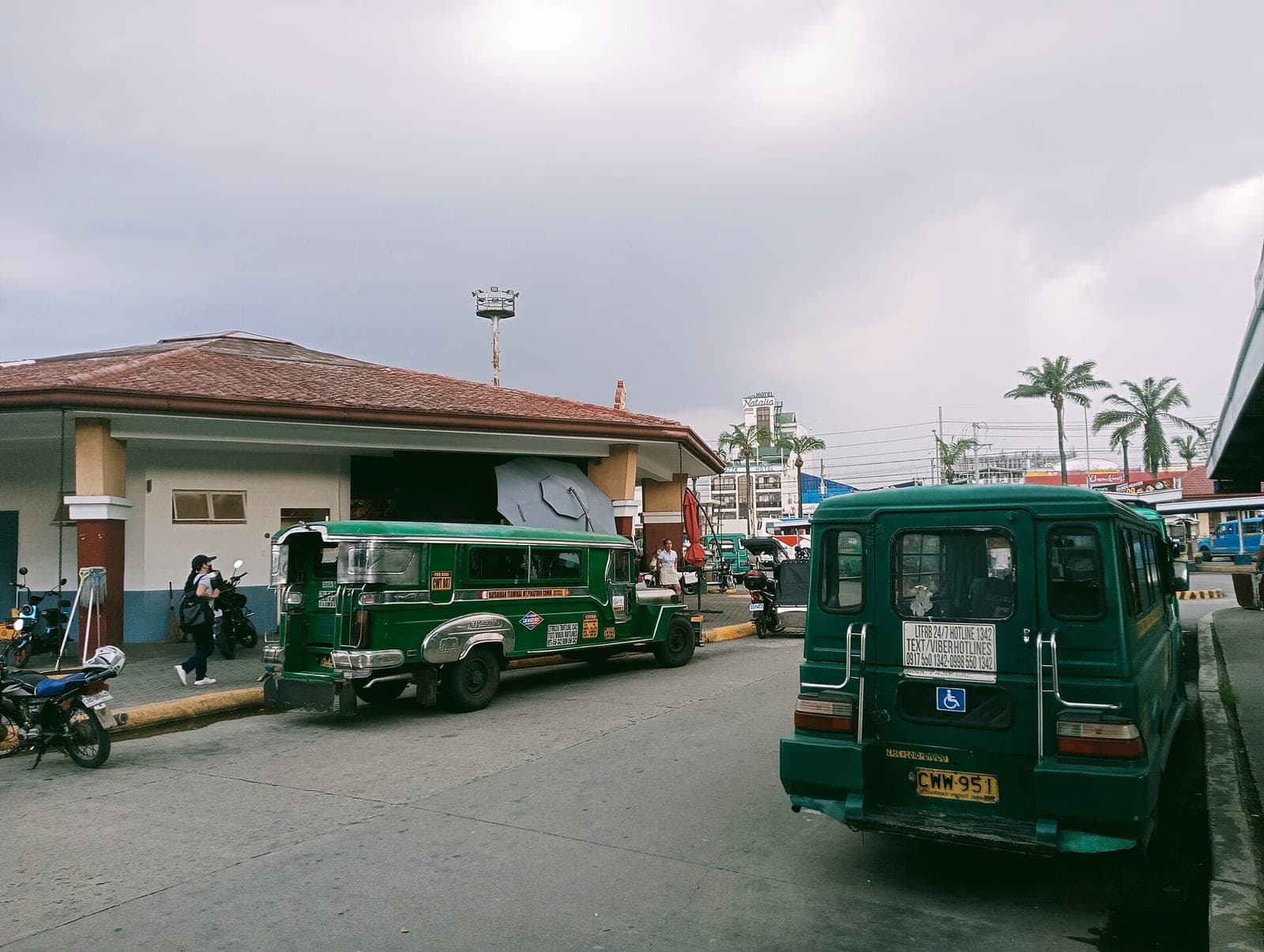
Walk the strip — end to end is fifteen minutes. Blue tricycles do the local hops for $0.50–1.50 (₱30–90); agree the fare first and expect a small surcharge late at night. Jeepneys run the National Highway to Olongapo for about $0.30. Grab coverage in Subic is patchy compared with Manila or Cebu; hotels and bars will call a taxi. Tricycles are banned inside the Subic Bay Freeport Zone, so budget for a taxi if you are heading to the marina, the casinos or the dive centres in the zone.
Safe and quiet by regional standards. The genuine hazard is the National Highway, which is fast, narrow and poorly lit through Barretto — take a trike home rather than walking it after a few beers. Watch the bar tab, watch the undertow in the wet months, and treat drugs as the prison sentence they are in this country.
The point of the trip
Meeting women in Subic Bay
Subic is a small scene and you should size it correctly before you book. There are perhaps a few dozen bars in Barrio Barretto with women working in them, the same faces turn up week after week, and by your third evening you will recognise most of the strip. Compared with Angeles City it is a village. Compared with Angeles City it is also far less pressured, and for a certain kind of man that trade is worth making.
The women in the bars. The Barretto strip runs on the open-fronted bar model rather than the go-go one: no stage, no line-up, women sitting at the bar or at the tables outside who will happily talk to you whether or not you buy anything. Most are from the Zambales and Pampanga provinces or from the Visayas, most are in their twenties and thirties, and the conversation tends to be slower and more genuine than it is on a bigger strip because nobody is working a queue. You buy a ladies’ drink if you want the company to continue — $3–5 (₱170–280), the cheapest in this guide. Bar fines exist as a concept here as everywhere in the country, and we do not price them. Manners matter more in a small town than a large one: be remembered as the polite one, tip in cash, and the strip will be a much better place for you by night three.
Freelancers and the beach. A number of women work independently rather than for a bar, particularly around the beachfront places on Baloy and the live-music rooms later in the evening. The rules are the ones we give everywhere: meet in public, keep your drink in your hand, do not go anywhere private with someone in a hurry, and take the same care with your wallet and phone that you would at home.
The women who are not in the bars. Olongapo is a city of a quarter of a million with malls, hospitals, colleges and a freeport full of offices, and Subic has a settled expat community with a social life — yacht club, dive shops, restaurants, charity nights — that is unusually easy for a newcomer to join. That, plus the apps, is where the non-bar meeting happens. Do not expect a day-game scene: this is a provincial town, not Makati, and a foreigner wandering a mall alone is a curiosity rather than an opportunity. Meeting women outside the bars is written mostly for the big cities but the manners transfer.
The age gap and the economics, plainly. Our readers are mostly 40 to 70; the women here are mostly 22 to 40, and in a town with this much shared history nobody finds that odd. What is different about Subic is that a lot of the relationships you will see around you are long-standing — men who came for a holiday in 2009 and are still here, with a house, a wife and a stepchild through college. The economics are the same as everywhere in the Philippines: a monthly wage in Zambales is a few hundred dollars, an American pension is transformative, and you will be asked for help sooner or later. Decide what you can give without resentment, give rather than lend, and never send money to someone you have not met. Red flags and romance scams applies here as much as anywhere, small town or not.
What the prospects honestly are. Middling — we score Subic 3 out of 5 on relationships, against 5 for Cebu and 4 for Angeles City and Manila. Not because the women are less interested; because there are far fewer of them, and because a Barretto bar is a small pond that a lot of foreigners have fished before. The men who do well here are the ones who stay long enough to be known, or who came with someone they met somewhere else.
Start before you land. If you are adding Subic to an Angeles trip — which is what we recommend — do the online groundwork for Pampanga and Zambales together in the weeks before you fly. It is one province over; women you meet in Angeles will happily come to the beach for a couple of days, and a Subic weekend is a much better second date than a fourth night on Fields Avenue. Online dating before you fly explains how to set that up.
Where to stay
Barrio Barretto or Baloy Long Beach — do not stay inside the freeport unless your trip is diving or a conference, because tricycles cannot enter the zone and every evening becomes a taxi. In Barretto, the beachfront hotels on the bay side of the National Highway put the strip at the door and the sea behind you; the highway side is cheaper and noisier. Baloy, a kilometre north down a side road, is quieter, has the better beach and the dive shops, and is a $1 trike from the bars. Rooms run $22–70 (₱1,250–4,000) and the small resorts are generally relaxed about a registered visitor with photo ID, though fewer publish a written policy than in Angeles City — ask when you book. Our picks are on the Subic Bay hotels page.
Getting there from the US
Fly into Clark International Airport (CRK) if you can. There are no US nonstops to Clark, but it connects through Seoul, Tokyo, Hong Kong, Taipei, Singapore, Doha and Dubai, and from CRK it is about 90 minutes to Barrio Barretto by road on the Subic-Clark-Tarlac Expressway — roughly $45–70 (₱2,600–4,000) for a private car, which most Barretto hotels will arrange. That routing also lets you do the trip we actually recommend: five nights in Angeles City first, ninety minutes over the SCTEX, three nights on the beach, and out through Clark again.
From Manila it is longer. Philippine Airlines and United fly nonstop to Ninoy Aquino (MNL) from Los Angeles, San Francisco, New York JFK and Seattle; from there Barretto is 3–4 hours by road depending on traffic and where in the metro you start. Victory Liner runs frequent buses from Cubao and Pasay to Olongapo for about $6–9 (₱350–500), then a jeepney or trike north to Barretto for under $2; a private car from NAIA is $80–120. US passport holders get 30 days visa-free on arrival with an onward ticket and can extend at the Bureau of Immigration — see the visa page and flights from the US. Everyone must complete the free eTravel registration within 72 hours of landing.