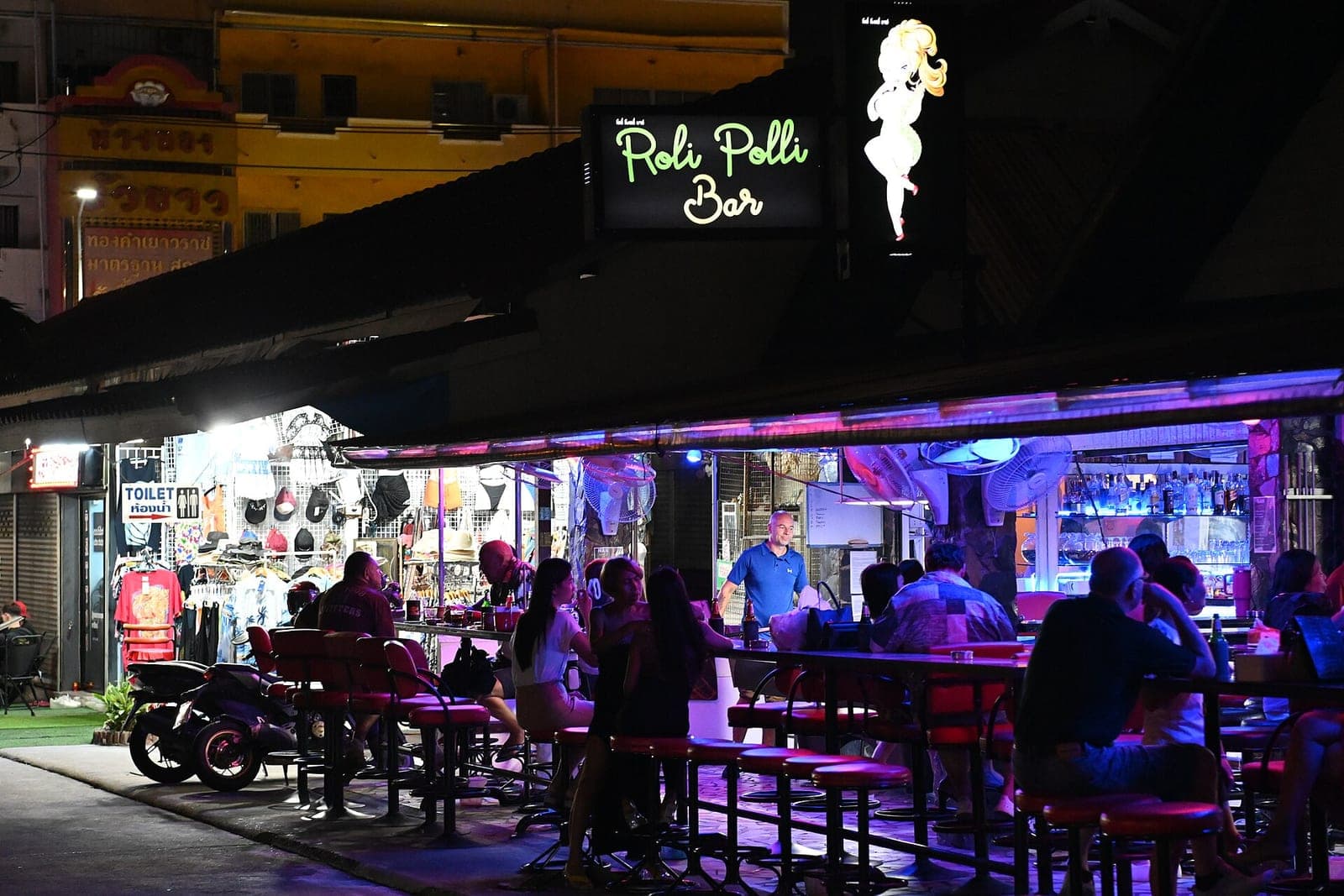



Meeting women outside the bars in Southeast Asia means meeting the other ninety-nine percent of the population — the nurses, teachers, call-center agents, students, shop owners and office workers who live in cities of millions where the famous bar streets are a few hundred meters long. It is not harder than the bars. It is different, slower, and it is where the girlfriends and wives come from.
We write a lot about Soi 6 and Fields Avenue because readers ask about them. But if you have ever sat in a beer bar wondering where the rest of the city is, this is the answer.
Can you actually meet women outside the bars?
Yes, and the arithmetic is on your side. Metro Manila has some fourteen million people, Bangkok ten million, Ho Chi Minh City nine million, and Cebu a couple of million across the metro. The nightlife streets employ a few thousand women between them. Everyone else is out there living a normal life: commuting, working, studying, going to the mall on Sunday, meeting friends for coffee, lifting weights at six in the morning before a shift.
The one honest caveat, and we will keep coming back to it: those women are not walking around hoping to be chatted up by a foreign man. Cold approaches work about as well here as they do in your home town, which is to say occasionally and awkwardly. What works is context — being introduced, being a regular, doing an activity together — and conversation that starts before you are standing in front of each other.
Where do people meet by day?
| Where | What it is like | Honest odds |
|---|---|---|
| Malls (SM, Ayala, Central, Siam, Vincom) | The whole city, air-conditioned, on weekends | Poor for approaching; the best first-date venue there is |
| Coffee shops | Students, office staff on breaks, the laptop crowd | Decent if you are a regular who can talk |
| Gyms and fitness classes | Nurses, office workers, the before-and-after-shift crowd | Slow burn; works over weeks, not days |
| Language exchanges and classes | Small groups who have come specifically to talk to foreigners | High; conversation is the point |
| Co-working spaces | Remote workers, local freelancers, startup staff | Good in Bangkok, Saigon, Bali, Cebu IT Park |
| Cooking classes, tours, day trips | Mixed groups, a few hours together | Occasional; fun either way |
| Expat and hobby meetups | Running clubs, trivia nights, hiking groups, board games | Good, especially for introductions |
| Friends of friends | Your mate's girlfriend's cousin's workmate | The best offline route by a mile |
| Church and community (Philippines) | Parish life, fiestas, choir, outreach | Only if you are genuinely there for it |
| Online, before you fly | Women across the city, chatting on their own time | The way most men do it now |
Malls. SM Megamall and Greenbelt in Manila, SM City Cebu and Ayala Center in Cebu, Siam Paragon, EmQuartier and Iconsiam in Bangkok, Terminal 21 in Pattaya, Vincom and Saigon Centre in Ho Chi Minh City, Aeon in Phnom Penh. You will see hundreds of well-dressed women. You will not, as a lone foreigner, easily start a conversation in the food court without looking like exactly what you are. Use malls for what they are brilliant at: a safe, public, air-conditioned first date.
Coffee shops. The regional café culture is real and it is where a lot of life happens. If you are the sort of man who can sit with a book, say good morning to the same barista for two weeks and not stare at anyone, you will end up in conversations. In Vietnam especially, a café is a social space rather than a takeaway counter; people linger for hours.
Gyms. Chain gyms in Makati, Cebu IT Park, Thonglor and District 7 are full of office workers before and after shifts. Regulars notice regulars. Give it weeks, lift something between conversations, and do not be the man who talks to women mid-set. A month's membership runs about $30–60 (฿1,000–2,000 / ₱1,500–3,500) in most cities.
Language exchanges and classes. Thai, Tagalog, Vietnamese or Khmer lessons, and the informal exchange nights advertised on community boards, put you in a small room with people who have come specifically to talk to foreigners. It is the single best daytime setting we know, it is cheap, and you leave with something useful even if nothing else comes of it. See Thirty words that change the trip: Thai, Tagalog, Khmer and Vietnamese for men who are dating for a head start.
How does it work city by city?
Manila: Poblacion and Makati. Poblacion is the neighborhood that changed Manila's going-out scene: a compact grid of rooftop bars, cocktail bars, craft-beer places, restaurants and hostels where young professionals, creatives, students and expats mix on Friday and Saturday nights. It is not a hostess-bar strip (that is P. Burgos Street a few blocks away, and the two do not mix much). Conversation at the bar is normal. Filipinas are sociable, their English is excellent, and a polite man who buys his own drinks and asks good questions does fine. BGC's High Street and the Greenbelt restaurants do the same job at a quieter volume.
Bangkok: Sukhumvit, Thonglor and Ekkamai. Sukhumvit Soi 11 is the mixed, international end of Sukhumvit — rooftop bars, clubs, Thais and foreigners together — and it is where a first-timer should go if he wants a normal night out. Thonglor and Ekkamai, further east on the BTS, are where young Thai professionals actually go: wine bars, izakayas, craft beer, a cocktail running about $14–25 (฿450–800) at the rooftop places. English is thinner than in Manila and the social codes are quieter; a smile and a bit of Thai go a long way. Chatuchak market on a Saturday morning and the co-working spaces around Ari are the daytime equivalents.
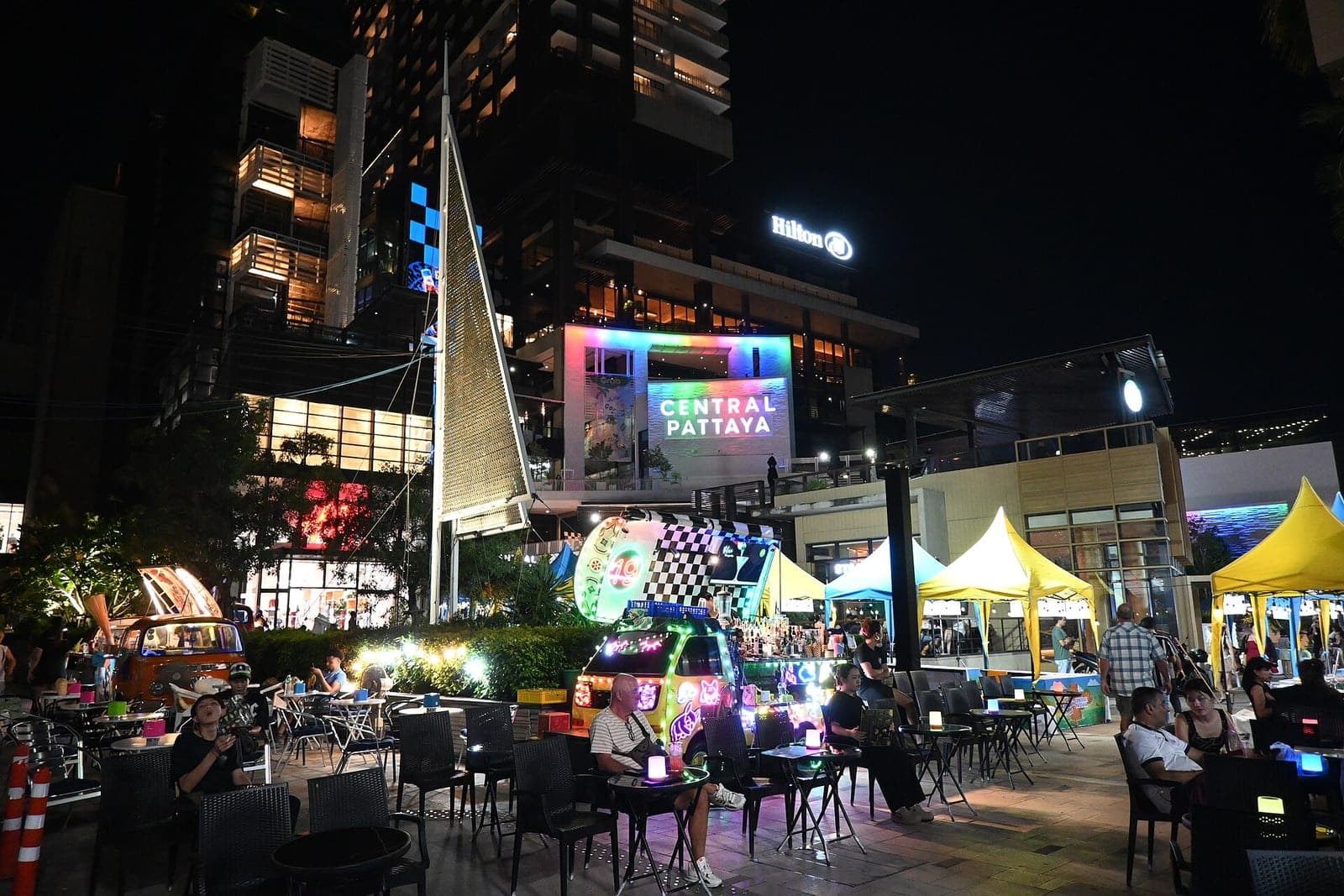
Pattaya beyond the strip. Yes, really. Terminal 21, Central Festival, the Jomtien beachfront in the morning, the gyms off Thepprasit Road and the cafés on Pratumnak are full of women who work in hotels, condos, real estate and the hospitals — and who will assume, correctly, that a foreign man in Pattaya is there for the bars. Be pleasantly different.
Cebu: IT Park and Mactan. Cebu IT Park and the BGC-style Ayala malls are the daytime heart of a city with a huge BPO workforce: good English, night shifts, coffee at odd hours. Mango Square is the club district, and it is a normal club district — students and young workers on a night out, not a hostess strip. Mactan's beach resorts are a weekend thing for the city too.
Ho Chi Minh City: District 1 and Thao Dien. District 1 Rooftops & Clubs is where Saigon's professionals go out: rooftop bars, cocktail lounges and clubs that are mixed, upmarket and respectable. Thao Dien (District 2), across the river, is the expat village — brunch, co-working, yoga, gyms, a lot of Vietnamese women who work in international companies and have chosen to live near foreigners. Vietnam is more conservative than Thailand or the Philippines: a woman may bring a friend, she will expect you to pay, and her parents will hear about you early.
Phnom Penh: BKK1 and the Riverside. BKK1 is a leafy district of cafés, restaurants, NGOs and co-working spaces where Cambodia's small urban middle class and the expat crowd overlap. Cambodia is conservative and the pool is small; the bars on Street 136 are a separate world from the women you meet in a BKK1 café, and you should keep them separate in your mind.
Hanoi: Tay Ho. Tay Ho (West Lake) is the lakeside expat district: brunch spots, craft beer, gyms and a social scene built around meetups. Hanoi is more reserved than Saigon and the winters are cold; it rewards the man who stays a while.
Bali, Jakarta, Kuala Lumpur. Honest note: the social scenes in Canggu, SCBD & Senopati and Changkat Bukit Bintang exist and are pleasant, but religion and law shape dating in Indonesia and Malaysia in ways we cover in Dating culture by country: sin sod, utang na loob, face, family and the law. They are not where we send a man whose main purpose is to meet women.
What about expat meetups, and church in the Philippines?
Meetups. Every city on this site has a calendar of running clubs, hiking groups, trivia nights, board-game evenings, photography walks and language exchanges, mostly organized through the usual event platforms and expat groups. They are mixed, local women come to them precisely because foreigners do, and they give you the thing a bar never will: a reason to be talking to someone that is not "I would like to talk to you". Hash House Harriers chapters run in most cities and are, frankly, full of men like you, which is its own kind of useful.
Church and community. The Philippines is deeply Catholic, and parish life — mass, fiestas, choir, outreach, the barangay basketball league — is how an enormous number of Filipinos meet each other. If you are a believer, or even a respectful lapsed one, turning up regularly, joining things and being introduced is the most natural route into a community there is. The line is simple: being part of a parish is welcome; treating a Sunday service as a singles event is obvious, disrespectful and does not work. The same goes for Buddhist temples in Thailand and Cambodia — go to learn, not to look.
How does approaching differ from the US?
Softer, slower, and with more people in the room.
- Indirectness is the norm. A Thai or Vietnamese woman will rarely tell you no; she will tell you "maybe" or "busy" and expect you to understand. Take the hint the first time.
- Face matters. Never put a woman in a position where she has to reject you in front of her friends. Talk to the group, be pleasant to everyone, and let her decide to talk to you.
- Friends come along. In the Philippines and Vietnam especially, a first meeting often involves a sister, cousin or friend. This is normal, not a rejection. Buy the friend a coffee and be as nice to her as to your date.
- Compliments are about effort, not bodies. "Your English is excellent" and "you clearly know this city" beat anything about her appearance. Appearance compliments come later, and gently.
- Ask about family. It is not intrusive; it is the first thing she would ask you.
- Phones are fine. Asking for a number or a chat ID after a good conversation is normal and expected, earlier than in the US. A woman who gives you a number here usually means it.
What works for older men?
More than you think, and we say this to the sixty-year-olds who write in convinced the daytime scene is for the young.
What works: being a regular; being well turned out (a pressed shirt, proper shoes, not the cargo shorts uniform); being able to hold a conversation about something other than yourself; being calm; knowing a few words of the language; being honest about your age and your life. Women across the region are far less bothered by an age gap than women at home, and many actively prefer a settled older man to a local one their own age. What does not work is pretending to be younger, competing with the 25-year-olds at the club, or turning up at the café already two beers in.
Two practical pointers. First, the daytime scene suits older men better than the nightlife scene does: you can hear, you can talk, and you are not paying $9–18 (฿300–600) to stand in the dark. Second, read Solo travel over 50: pace, health, hotels and the age gap, handled properly for the logistics, and pick a city where you can be a regular — a month in Cebu beats a week each in four places.
What role does online play?
The biggest one. As of 2026 most men who come back to the region a second and third time met the woman they came back for on a phone, not in a café, and the daytime scene is where they took her afterwards. Starting conversations two to six weeks before you fly means you land with a person in the city rather than a blank week, and every coffee shop, mall and meetup above becomes a place to go with someone instead of a place to hunt. The full method, from profile to first date, is in Online dating before you fly: how the smart guys land with a date already booked.
What should you not do?
Stare. Approach women who are working (the shop assistant, the massage receptionist, the waitress — they cannot leave and they cannot say no). Touch anyone you have just met. Mention the bar scene on a first coffee. Bring up money, yours or hers. Drink before a daytime meeting. Treat a friend she brought along as an obstacle. Push for a second meeting in the same breath as the first. Take a "maybe" as a yes.
Do the opposite of all of that for a fortnight, in one city, and you will find the town is a lot bigger than the bar street.