

Etiquette in Southeast Asia comes down to one principle that covers ninety percent of situations: never make another person lose face, and never lose yours. Everything below — the wai, the chit cup, the shoes at the door, tipping quietly, saying no with a smile — is a footnote to that. Get it right and the region opens up for you; get it wrong and you become the loud foreigner everyone is being polite to until he leaves.
This is the practical version, not a lecture. Thais and Filipinos are forgiving of visitors who are obviously trying, and completely unforgiving of visitors who are obviously not.
How does a bar actually work, and what is expected of you?
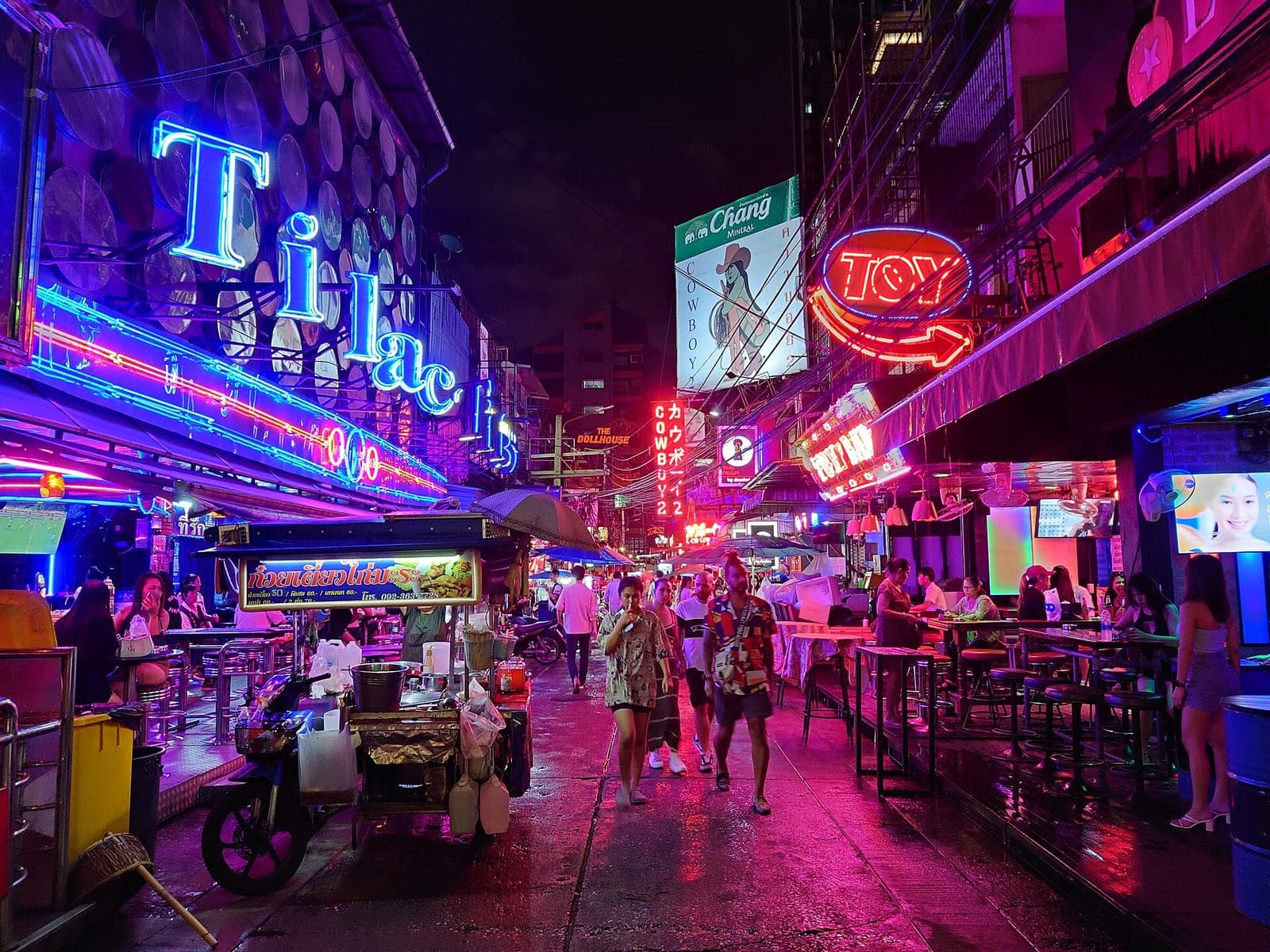
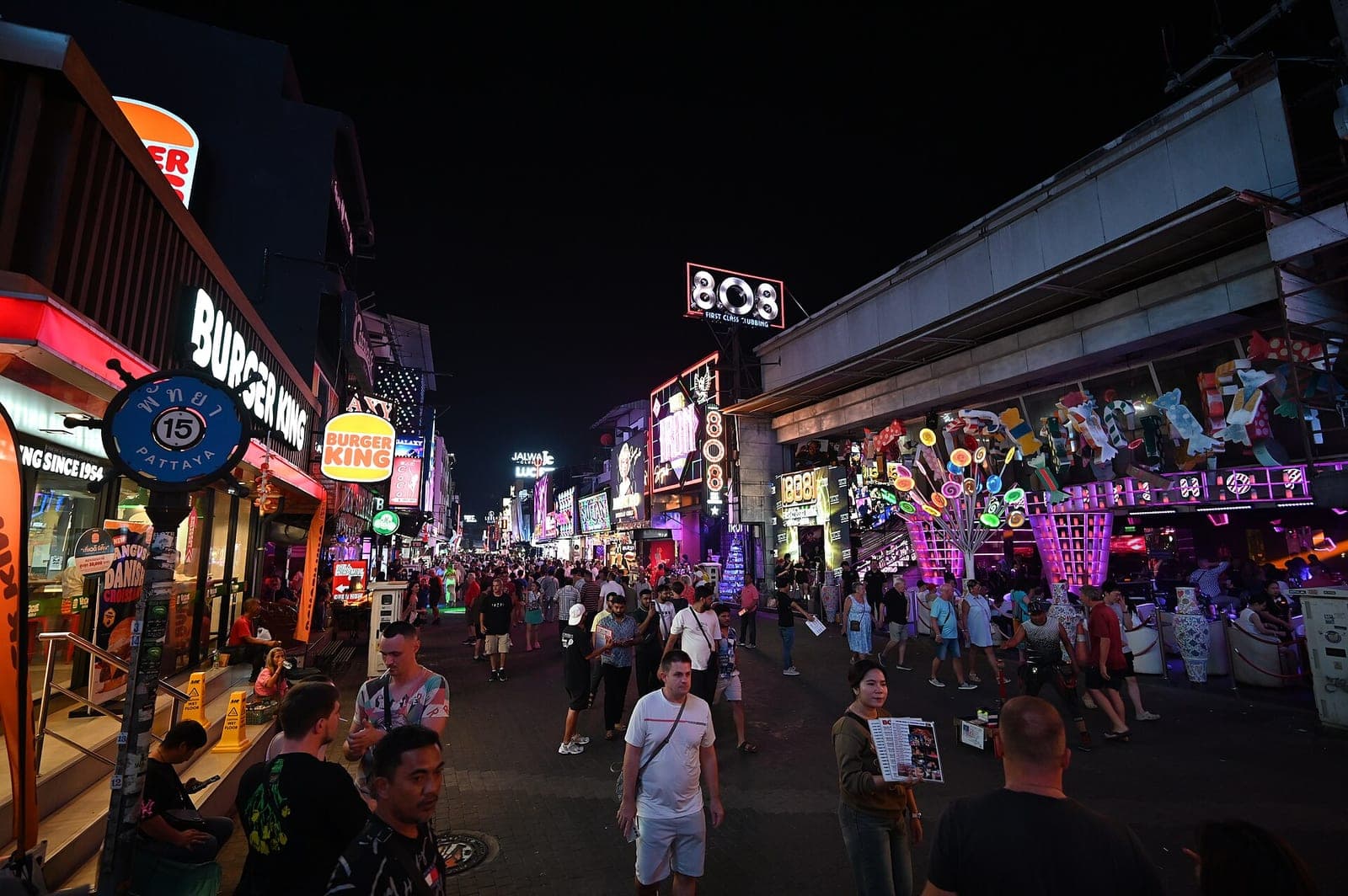
The bar systems in Pattaya, Angeles City, Bangkok and Manila are nearly identical, and How the bar scenes work, country by country: go-go bars, beer bars, ladies' drinks, mamasans and the bill covers the mechanics. The etiquette is short enough to list.
Buying her a drink is how you buy her time. A "ladies' drink" is a small drink — often barely alcoholic — that a woman earns a commission on, priced at two or three times your beer: $4.5–7.5 (฿150–250) in Pattaya, $4.5–11 (₱250–600) in Angeles City as of August 2026. If she sits with you and you want her to stay, you buy one. If you do not, say so pleasantly and she moves on. Nobody is entitled to your money and nobody is entitled to her time.
Watch the chit cup. In Thai bars every drink goes onto a slip of paper in a small cup in front of you. Glance in it occasionally and count the slips when you settle — not because Thai bars are crooked, the overwhelming majority are not, but because a busy waitress and a long night make mistakes, and a mistake found at the table is nothing while a mistake found on the street is an argument. Philippine bars run a written tab on the same logic.
Tipping is small, frequent and quiet. ฿20–50 or ₱50–100 for the waitress on a normal tab. A similar note, handed over directly and without an audience, to a woman who has spent the evening with you. Do not make a performance of it. Do not tip in US dollars.
Do not touch a woman who has not invited it. The hand on your arm from the staff outside an open-fronted bar is a greeting and part of her job; it is not permission. Inside a go-go bar the dancers are working, and the etiquette is looking, buying a drink and talking, not reaching. Every bar in Thailand and the Philippines has a version of a no-touching rule and the staff enforce it.
Phones stay in your pocket. Photography inside go-go bars is banned everywhere, and the reason is not commercial: most of the women have family who do not know what they do.
The bar fine exists and it is a fee the bar charges, not a price for a person. Every venue has one, the rate is posted or the mamasan will tell you, and the etiquette is to ask before you assume. We do not publish figures for it anywhere on this site.
Who is the mamasan and how do you deal with her?
The mamasan is the woman — usually older, usually a former dancer — who runs the floor. She knows who is working which nights, who speaks English, who is shy, who is trouble. She is management, and the single most useful person in the room.
Treat her as staff, not scenery. Say hello, and if you want to meet someone specific, ask her rather than shouting across the bar; the introduction will go better than anything you could arrange yourself. Tip her occasionally. Cross her and you will find the bar mysteriously full every time you visit.
How do you say no, and how do you leave?
These two questions cause more Western men more anxiety than anything else about the bar scene, and both have simple answers.
Saying no. "Thank you, I'm just having a beer" — with eye contact and a smile — is understood in every bar in Southeast Asia and causes no offense at all. You owe no explanation and no apology. What is bad manners is letting a woman sit with you for an hour, buying nothing and saying nothing, then leaving; her evening had a cost.
Leaving. Settle your tab, check the slips, tip, and say goodbye out loud — to the woman you were talking with and to the waitress. It takes ten seconds and it is the difference between a man who is welcome back and a man who is not. If you are moving on, say so: "I'm going to walk down the street, it was nice to meet you", rather than vanishing to the bathroom.
Never make a promise you do not intend to keep. "I'll come back tomorrow", "I'll message you", "I'll take you to dinner Friday" are heard literally. A woman who rearranged her week around a promise you made lightly at midnight is entitled to be annoyed, and word travels along a bar street faster than you would believe.
What does the hotel expect?
ID at the desk. If you bring a guest back, reception will ask for her ID and usually photograph it. This is the law rather than the hotel's opinion: Thai hotels must register every guest and report foreign nationals to immigration, and Philippine hotels keep a visitor log for the same reason. Some hotels also charge a joiner fee — typically $10–30 (฿500–1,000 / ₱500–1,500) — and some allow no guests at all; every hotel page on this site lists what is reported as of August 2026. Do not try to sneak someone past the desk and do not argue about the ID. Both turn a small formality into a large problem, and both put the woman in a worse position than you.
Ordinary manners. Shoes off if there is a rack by the door. Do not shout in the lobby at 2am. Do not treat housekeeping as invisible; a small note left on the pillow is normal and appreciated.
Street, temple and shoe etiquette
Shoes off. In homes, always. In temples, always. In small shops, guesthouses and some restaurants, look for a rack or a pile by the door and follow it. Wear shoes you can get on and off standing up; sandals earn their place here.
Temples. Shoulders and knees covered, for men as well as women. The Grand Palace in Bangkok is strict and turns people away or rents them a sarong at the gate; the rest are more relaxed but the rule is the same. Hat off, shoes off at the door of the ordination hall, no pointing your feet at a Buddha image, no climbing on anything, no posing with your back to a Buddha. Never touch a monk — a woman should never hand anything directly to one; she puts it down and he picks it up.
The head and the feet. In Thailand, Cambodia and Laos the head is the most sacred part of the body and the feet are the least. Do not ruffle anyone's hair, including a child's. Do not point at things with your foot or rest a foot on a chair opposite someone.
The wai. Palms together, a small bow of the head. Return one from someone older or senior, and offer one when you are introduced to a woman's parents. Do not wai children, waitresses, bar staff or taxi drivers — a nod and a smile is correct, and a foreigner wai-ing everybody looks either eccentric or condescending. Cambodia's sampeah works the same way. In Vietnam and the Philippines a handshake is normal, and an older Filipino may offer you the back of their hand for the mano blessing, which you take and touch to your forehead. In Indonesia and Malaysia, give, receive and eat with the right hand only; this one matters.
Voices. Do not raise yours. A Thai or Filipino being shouted at in public by a foreigner will smile, go silent, and stop helping you — permanently.
What can you not joke about?
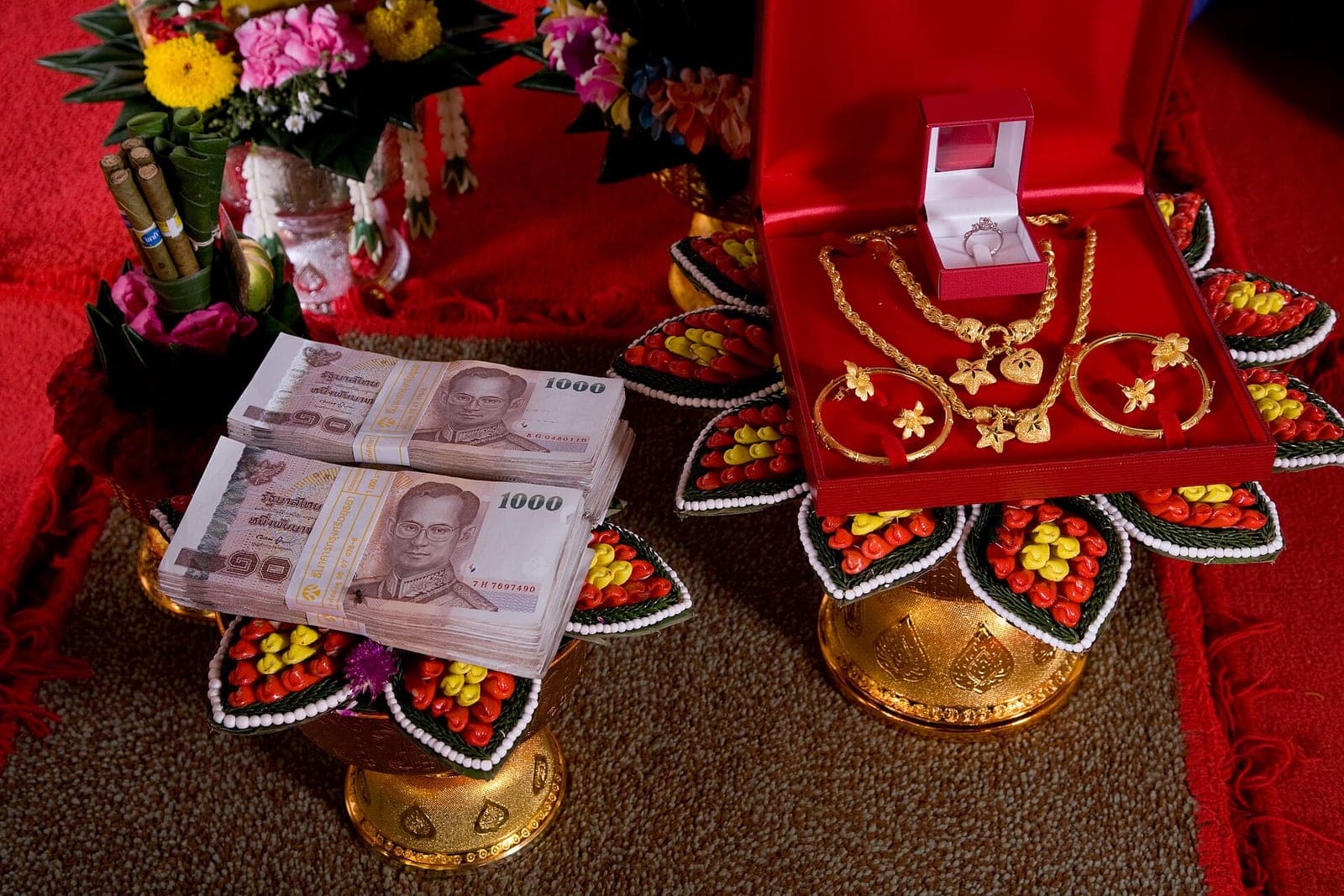
The Thai monarchy. Article 112 of the Thai criminal code — lèse-majesté — carries three to fifteen years per count, applies to foreigners as much as to Thais, and has been used against foreigners in recent years. It covers anything defamatory about the King, Queen, heir or regent, including an old social media post and a joke in a bar. Do not test it, do not debate it, and do not step on a dropped banknote to stop it blowing away — the King's image is on it. In cinemas the royal anthem plays before the film and everybody stands; stand.
Religion in Indonesia and Malaysia. Both are Muslim-majority and both take blasphemy seriously. Indonesia's revised criminal code came into force in January 2026 with complaint-based offenses covering sex outside marriage and cohabitation; it is not enforced against tourists at random, since a complaint has to come from a spouse, parent or child, but it exists, and Safety in Southeast Asia: what actually goes wrong, and what to do about it has the detail. In Malaysia, khalwat — close proximity between an unmarried Muslim couple — is a Syariah offense that applies to Muslims: it cannot be used against you, but it can be used against her.
Politics in Vietnam and Cambodia. Not because anyone will arrest you over a beer, but because the woman you are talking to may have views she cannot say out loud, and putting her in that position is unkind.
Public affection, and what people actually mind
Less than you would guess in the bar districts, more than you would guess everywhere else. Holding hands is fine anywhere. Kissing in public is mildly frowned on across Thailand, Vietnam and Cambodia, tolerated on Walking Street and Fields Avenue where nobody is pretending, and genuinely offensive in a temple, a mall or a provincial town. In the Philippines keep it modest in front of family — and you will meet the family sooner than you expect. In Muslim-majority parts of Indonesia and Malaysia, keep it to nothing at all. The other thing people mind is being photographed: street scenes are fine, a camera pointed at a specific woman's face is not.
How should you treat the women?
Like adults with jobs, families and their own plans, because that is what they are.
The women you meet in a bar in Pattaya or Angeles City are usually supporting parents, children or both, often from a rural province, in an economy where this work pays several times what the alternatives do. The women you meet online or in a mall are nurses, teachers, call-center agents and shop managers. Neither group is a category, and both will decide inside ten minutes whether you are a decent man.
The behavior that works is unglamorous. Ask questions and remember the answers. Learn her real name and use it. Do not haggle over small money with people who have very little of it, and do not throw it around either — both read badly. Do not lie about your age, your marital status or how long you are staying. If you like someone, say so plainly; if you do not, say that plainly and kindly.
| Thailand | Philippines | Vietnam / Cambodia | Indonesia / Malaysia | |
|---|---|---|---|---|
| Greeting | Wai returned, not initiated | Handshake; mano with elders | Nod or handshake; sampeah in Cambodia | Handshake, right hand; wait for a woman to offer |
| Language | Khrap / kha on every sentence | Po and opo to elders | Two hands to pass anything | Right hand only |
| Family | Meets you later; money talk is indirect | Meets you early; family is the deal | Parents' approval matters early | Religion and family are the deal |
| Public affection | Modest outside bar streets | Modest; Catholic norms | Modest | None in public |
| Big mistake | Raising your voice; the monarchy | Making her lose face in front of others | Political opinions | Ignoring religious norms |
What about before you even land?
Most of the above is about a room you are standing in. The other half of the trip happens on your phone in the weeks before you fly, and it has its own manners: be honest about your age and your dates, do not promise exclusivity you do not mean, do not double-book, and tell people kindly when you have chosen. Online dating before you fly: how the smart guys land with a date already booked covers it properly, and it is worth  starting those conversations a few weeks out rather than on the plane.