

Culture and respect in Southeast Asia come down to one habit that works in every country on this site: keep your voice down, your temper in your pocket and your curiosity switched on, because the man who is calm and polite gets better service, better company and better nights than the man who is loud and right. Everything else in this guide — the wai, the monarchy, Mass on Sunday, Ramadan, how to treat the woman bringing your beer — is detail on that theme.
We are not here to lecture you. You are an adult, you are on holiday, and nobody expects you to become an anthropologist between the airport and the bar. But we have watched a lot of trips go sideways over things that took ten seconds to avoid, and we have watched quiet, courteous men in their sixties have the time of their lives in Pattaya and Angeles City precisely because the locals liked having them around. This is how you become the second kind.
Why does "face" matter more than being right?
Across Thailand, the Philippines, Cambodia and Vietnam the social operating system runs on face: the public dignity of everyone in the room. Raising your voice, pointing, slamming a hand on a bar, berating a waitress in front of her colleagues, or making a hotel clerk look foolish does not get you the result. It gets you a frozen smile, a sudden loss of English, and a problem that was fixable five minutes ago becoming unfixable.
The Thais call the ideal jai yen — cool heart. A complaint delivered quietly, with a smile, to the most senior person you can find, will get a room changed, a bill corrected or a taxi found. The same complaint shouted will get you nothing, and if the police get involved, the calm party wins by default. This is not a cliché; it is the single most useful thing we can tell you.
In the Philippines the same idea lives in hiya (a sense of shame or propriety) and pakikisama (getting along). Filipinos will go a long way to avoid saying no to your face, which is why "maybe" often means no and "I'll try" means probably not. Read the hesitation, not the words, and never corner someone into a public no.
What should you know about Thailand: the wai, temples and the monarchy?
The wai. Palms together, slight bow. It is a greeting and a thank-you, and the junior person initiates it. As a visitor you are not expected to start, and you should not wai bar staff, waiters, 7-Eleven cashiers or children — it is awkward for them. When someone wais you, a nod and a smile is a perfectly good reply; a returned wai to an older person or a monk is better. Hotel staff who wai you at reception are doing their job; smile and say sawasdee khrap.
Temples. Shoulders and knees covered, shoes off at the door, hat off, voices down. Do not point your feet at a Buddha image, do not climb on anything for a photo, and women must never touch a monk or hand him anything directly. Buddha-image tattoos and Buddha heads as home décor are considered disrespectful; there is a long-running "Buddha is not for decoration" campaign and we would not get one inked anywhere visible before a trip. The head is sacred and the feet are low: do not ruffle anyone's hair, do not step over people, do not put your feet on a seat.
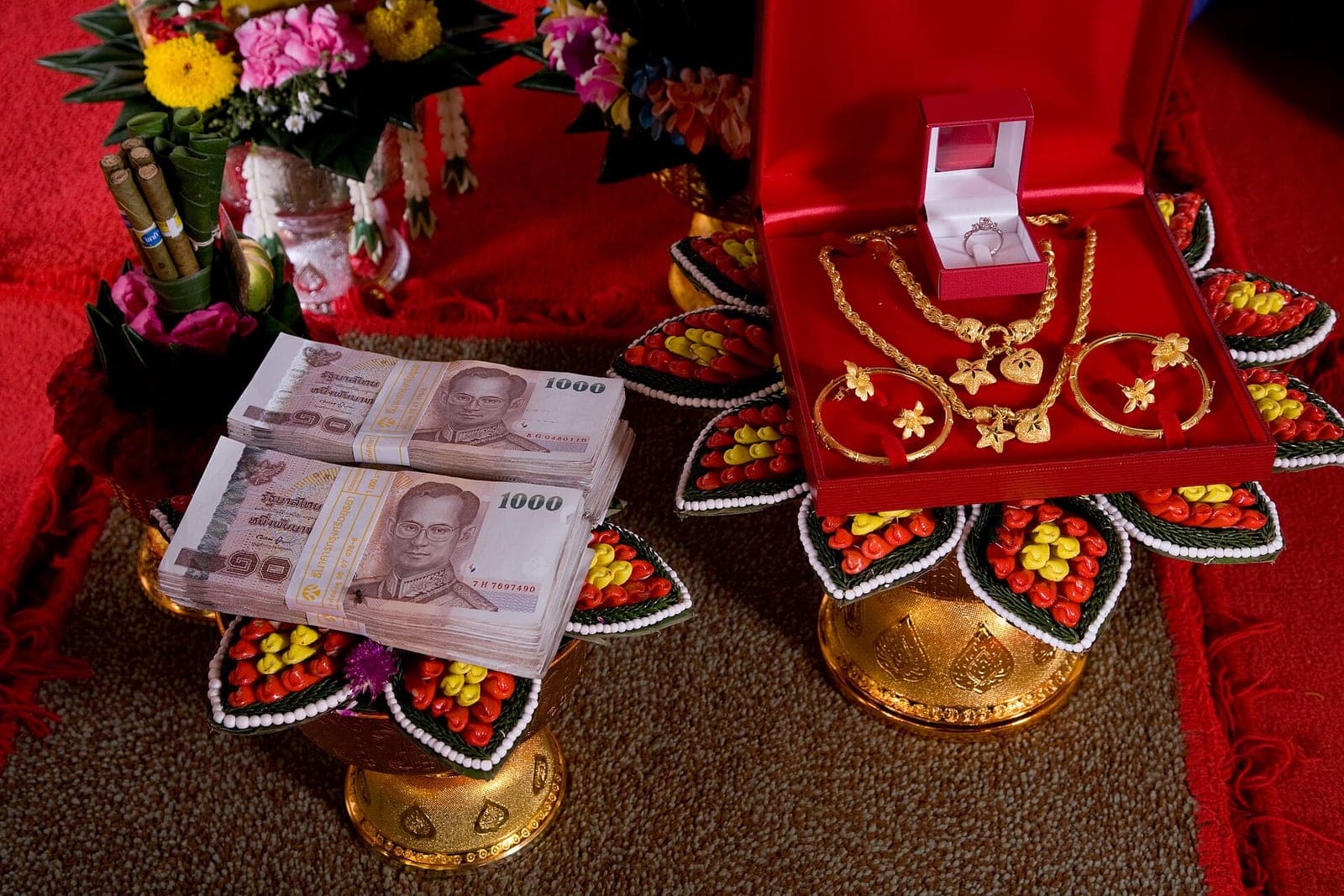
The monarchy. This is the one hard line in Thailand. Section 112 of the criminal code — lèse-majesté — carries three to fifteen years per count, and it is enforced against foreigners. The law is applied to things said online and abroad as well as in person. In 2025 an American academic working at a Thai university was charged under it; the charge was later dropped but he lost his visa and his job, and he is the lucky version of the story. Do not joke about the royal family in a bar, do not post about it, do not step on a banknote to stop it blowing away (the King's face is on it), and when the royal anthem plays before a cinema screening or in a public space at 08:00 and 18:00, stand still until it ends. Queen Mother Sirikit died on 24 October 2025; the public mourning period has ended but officials wear black through October 2026 and you will still see portraits and ribbons. Treat them with visible respect.
What should you know about the Philippines: hospitality, family and the Church?
The Philippines is the easiest country in Asia for an American to read, because it was an American colony for half a century and a Spanish one for three, and it shows: English is an official language, the names are Spanish, and the hospitality is sincere. You will be called "Sir" by everyone, often "Sir" plus your first name, and older men are addressed as kuya (big brother) or tito (uncle). Po and opo are politeness particles; you do not need to use them, but notice when they are used on you.
Family. The family is the unit, not the individual. A Filipina you meet in Cebu or Manila is very likely sending money home; if things get serious you are dating the family too, and you will be expected to meet them early. Utang na loob — a debt of gratitude — is real and cuts both ways. Read Dating culture by country: sin sod, utang na loob, face, family and the law before you misread generosity as a scam, or a scam as generosity.
The Church. Around 80% of Filipinos are Catholic and the rest are mostly other Christians, with a Muslim minority in the south. Sunday Mass is normal, not devout; the Christmas season starts in September (you will hear carols in malls from the first of the month); and Holy Week — Maundy Thursday, Good Friday, Black Saturday — is the one time the scene genuinely pauses. Many bars on Fields Avenue and in Makati close or go dark on Good Friday, and some towns restrict alcohol. Holy Week moves each year (it follows Easter), so check the dates before you book.
Time. "Filipino time" is a thing: 7pm means 7:30. It is not disrespect. Arrive on time yourself, order a drink and relax.
What should you know about Cambodia and Vietnam?
They share a border and almost nothing else in temperament.
Cambodia is reserved. The Khmer greeting is the sampeah — the same palms-together gesture as the wai — and the same rules apply: return it, do not initiate with staff. Cambodians are quieter and more formal than Thais, and the country is still carrying the weight of the Khmer Rouge years; older people you meet lived through them. Do not make jokes about it. Cover shoulders and knees at Angkor (it is enforced at the gates), dress modestly around the Royal Palace in Phnom Penh, do not photograph soldiers or police, and do not touch anyone's head. Cambodia has had a lèse-majesté law since 2018; the King is rarely discussed and you should follow suit. The bars on Street 136 are as relaxed as anywhere in Asia, but the city around them is conservative.
Vietnam is direct. The Vietnamese haggle, tell you plainly what they think, and do business fast. It is not rudeness; it is efficiency, and a lot of Western men find it refreshing after Thailand's smiles. Face still matters — you just lose it differently, by being seen as weak, drunk or foolish rather than by being blunt. Respect for elders is strong (good news for our readers), handshakes are normal, pass things with two hands, and take your shoes off at a home. Do not photograph military or government buildings and keep your opinions about the Party off social media while you are in the country; Vietnam polices online speech seriously. Hotels must register every guest's passport with the local police, which is why the desk at a Ho Chi Minh City hotel asks for your passport and your companion's ID card — it is the law, not suspicion.
What should you know about Islam in Indonesia and Malaysia?
Indonesia is the world's largest Muslim-majority country (around 87%) and Malaysia's official religion is Islam, and both have a very different texture outside their tourist zones from anything in Thailand or the Philippines. Bali is the exception: it is Hindu, and its culture of temples, offerings on the pavement and ceremonial calendars is its own thing.
Ramadan moves about eleven days earlier each year. It fell in February–March in 2026 and falls in February–March again in 2027. During the month, Jakarta's nightlife is restricted or shut, many restaurants curtain their windows by day, and drinking in public is tactless; Bali and the KL hotel bars carry on, but quietly. Do not eat, drink or smoke conspicuously in the street in Muslim areas during daylight hours in Ramadan, and do not be surprised when service slows in the hour before sunset.
Everyday rules. Use your right hand to pass money and food; the left is for the bathroom. Dress modestly away from the beach and the bar strip — this is not optional at mosques, where women cover their hair and everyone covers shoulders and knees. Public displays of affection draw stares in KL and Jakarta and are best kept behind the hotel door. In Malaysia, the Syariah laws (including khalwat, "close proximity" between unmarried couples) apply to Muslims only; as a non-Muslim tourist you will not be asked about your room-mate, but your Malay date could be, so follow her lead about where you are seen together. Alcohol is legal, heavily taxed and expensive: a bar beer on Changkat Bukit Bintang costs $4.7–7 (RM20–30) as of August 2026, two or three times Pattaya.
Indonesia's new criminal code took effect on 2 January 2026. It includes articles on sex outside marriage and cohabitation, but they are complaint-only offences that can be brought only by a spouse, parent or child, and the government has said repeatedly that tourists are not the target and hotels will not check. Bali also published a list of tourist do's and don'ts in 2025 — temple dress, no climbing sacred trees, no working without a permit, no scenes in public — and it has been deporting foreigners who ignore them. Behave like a guest and none of it touches you. Drug laws in both countries are among the harshest on earth; Malaysia's death penalty for trafficking is now discretionary rather than mandatory, which is not the comfort it sounds like.
How do you treat bar staff like people?
Because they are people, with rent and children and a commission sheet. A few things that the regulars know and first-timers do not:
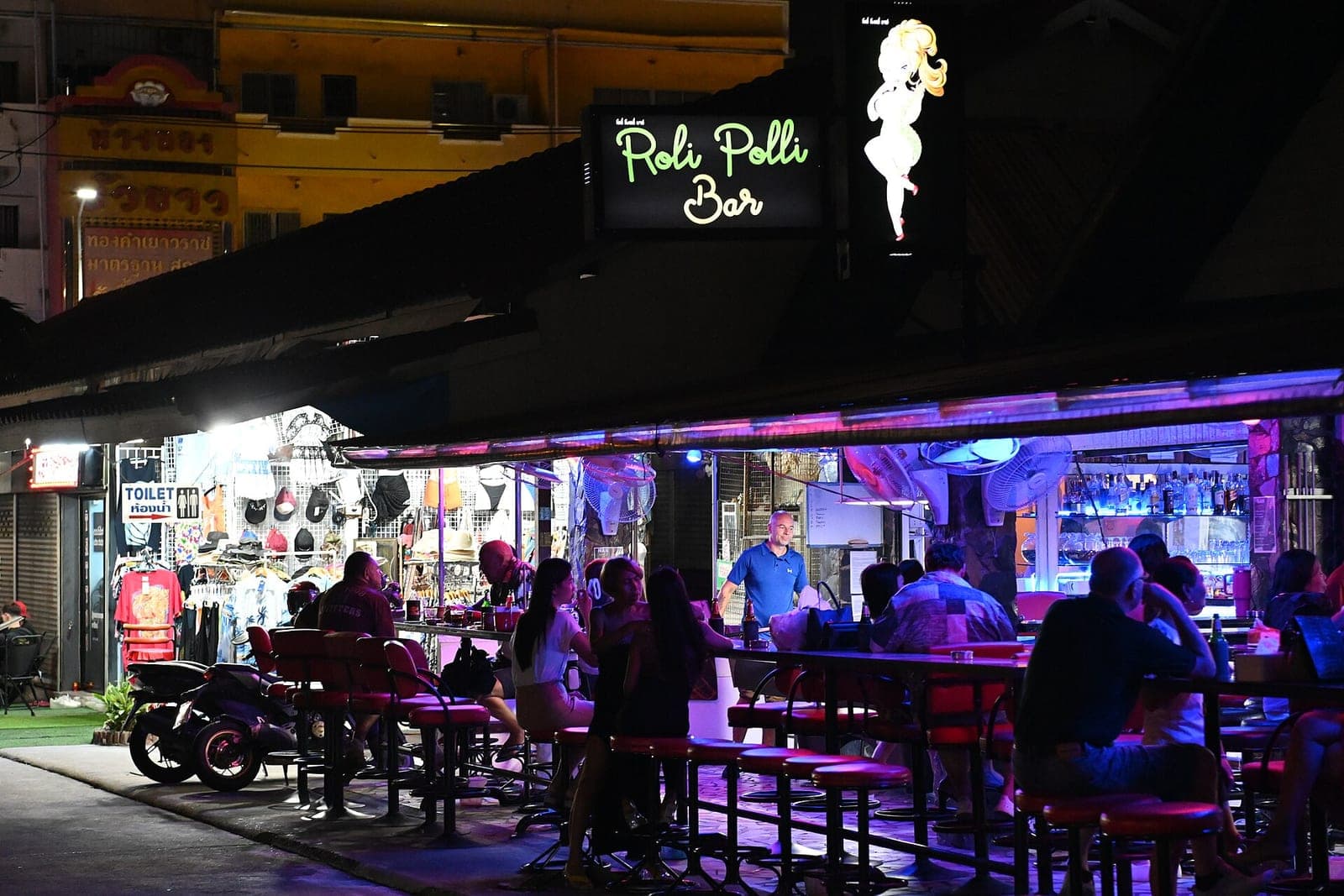
- The ladies' drink is her wage. In a go-go or hostess bar, the woman who sits with you earns a cut of every ladies' drink you buy her — $4.5–7.5 (฿150–250) in Pattaya, $4.5–11 (₱250–600) in Angeles. Buying one is the price of her company; buying none and keeping her talking for an hour is not charming, it is costing her money. If you want to chat without buying, talk to the bartender.
- Never haggle a ladies' drink. The price is the price. Haggling it marks you as cheap to the entire bar.
- Say no politely. "Not tonight, thank you" with a smile works everywhere. A shove, an ignored hand, or a loud "no!" gets you remembered for the wrong reason.
- The mamasan runs the room. She decides who sits with you and whether you are welcome back. A polite word and a drink for her on a busy night is money well spent.
- Buy the waitress a drink. In the Philippines in particular, the waitress who has looked after you all night will appreciate a drink bought for her, and it is how tipping often works in a bar.
- No photos without asking. Phones are banned inside most go-go bars in Thailand and many in the Philippines; filming dancers will get you ejected and possibly worse. Staff in the street outside have been photographed without consent a thousand times; ask first, every time.
- Do not grab. A hand on a shoulder when invited is one thing; anything more without consent is how men get thrown out and, in the Philippines, reported.
- Tip the people who carried the night. Leave the change from the bin; give the door staff who found you a taxi a small note.
How does tipping work, country by country?
Nobody in Southeast Asia expects American tipping, but rounding up and a small note for good service are appreciated everywhere and go a long way toward being remembered fondly.
| Situation | Thailand | Philippines | Cambodia | Vietnam | Indonesia / Malaysia |
|---|---|---|---|---|---|
| Restaurant, no service charge | 5–10% or ฿20–100 | 5–10% or ₱50–100 | $1–2 | 5% or ₫20,000–50,000 | 5–10%; check the bill for service |
| Restaurant, service charge added | Leave coins / small note | Small extra or nothing | Nothing needed | Nothing needed | Nothing needed |
| Taxi / Grab | Round up | Round up ₱20–50 | Round up to the dollar | Round up | Round up |
| Massage (one hour) | ฿50–100 | ₱50–100 | $1–2 | ₫50,000–100,000 | Rp20,000–50,000 / RM5–10 |
| Bar | Leave the change; drink for the waitress | Drink for the waitress | $1 per round | Round up | Round up |
| Hotel porter / housekeeping | ฿20–50 | ₱20–50 | $1 | ₫20,000 | Rp10,000–20,000 / RM2–5 |
Cambodia runs on US dollars for anything over a dollar or two, with riel (about 4,000 to the dollar) for change, and torn or scribbled-on dollar bills will be refused, so bring clean notes. Street food has no tipping culture anywhere; pay the price and say thank you.
What should you wear?
Less formal than you fear by night, more covered than you think by day.
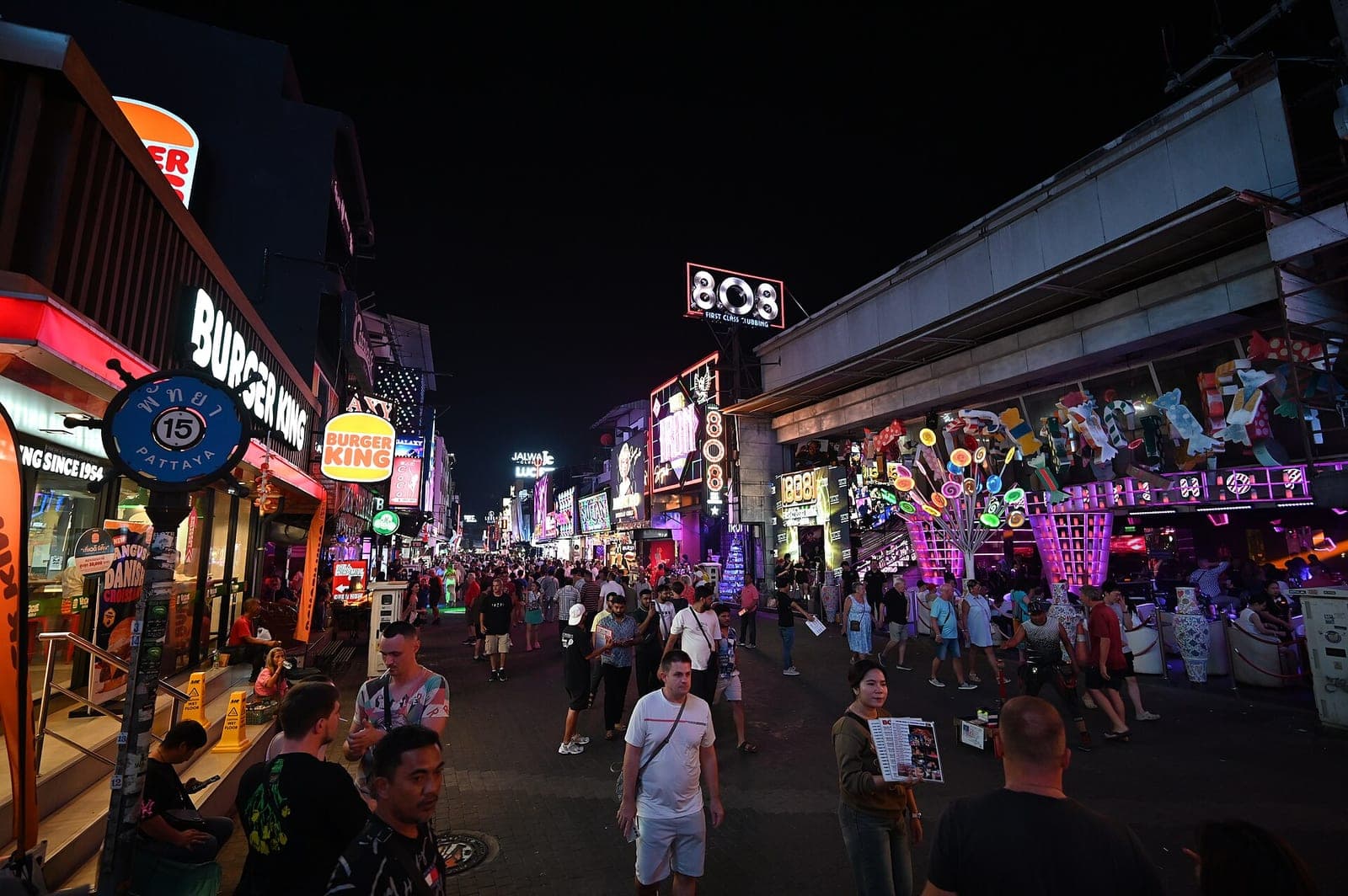
- Bar streets and beach towns: shorts, a clean shirt and sandals are fine on Walking Street or Bui Vien Street. Singlets and bare chests are not — you will be turned away from decent bars and fined on some Thai beaches for public indecency.
- Upscale clubs and rooftops: long trousers and closed shoes in Bangkok's Sukhumvit clubs, Makati's better venues and the Saigon rooftops. A collared shirt gets you past the door everywhere.
- Temples, churches, mosques, the Royal Palace, Angkor: shoulders and knees covered, no exceptions, and most places will sell or lend you a sarong if you forget.
- Immigration offices and banks: long trousers and a shirt with sleeves. Thai immigration has turned men away for vests and shorts, and you want the officer on your side.
- Dates: Filipinas and Vietnamese women in particular dress up for a date and notice when you do not. Trousers, a shirt with a collar, proper shoes. It costs you nothing and says you made an effort.
What gets men thrown out of bars or arrested?
Here is the list, because every one of these happened to someone last month. None of it is exotic; it is the same behaviour that would get you in trouble at home, with harsher consequences and no friendly sheriff.
| Behaviour | What happens | Where it is worst |
|---|---|---|
| Drugs of any kind, including cannabis without a prescription | Arrest, jail, deportation, blacklist; death penalty on the books for trafficking | Everywhere; Thailand re-restricted cannabis to prescription sales in June 2025; Indonesia, Malaysia, Vietnam and the Philippines are harsher still |
| Vaping or carrying an e-cigarette | Confiscation, fines, sometimes arrest | Thailand (illegal to import or possess; tourists fined in 2025–26) |
| Fighting, even when provoked | Arrest; foreigner usually loses; deportation as an "undesirable alien" in the Philippines | Everywhere |
| Refusing to pay a bill or a ladies' drink you did not order | Police called; you pay and may be charged | Thailand, Philippines |
| Filming or photographing inside a go-go bar | Ejected, phone wiped, sometimes banned | Pattaya, Bangkok, Angeles |
| Touching dancers or staff without consent | Ejected; in the Philippines, possible charges | Everywhere |
| Overstaying your visa | Fine per day, detention if caught inside, blacklist for long overstays | Thailand (฿500 a day, blacklist after 90 days), Philippines, Cambodia ($10 a day) |
| Riding a scooter without a license or helmet | Fines, and your travel insurance is void if you crash | Thailand, Vietnam (heavy fines since 2025), Bali |
| Drunk or lewd behaviour in public | Fines, arrest; Pattaya and Bali actively police it | Pattaya beach, Bali, Angeles (local public-drunkenness ordinance) |
| Anything about the Thai monarchy | Three to fifteen years per count | Thailand, including online |
| Photographing military sites; criticising the government online | Detention, deportation | Vietnam, Cambodia |
The pattern is obvious: almost everything on that list requires you to be drunk enough to forget where you are. Drink less than you would at home, eat first, and get back to your hotel under your own steam. Read Safety in Southeast Asia: what actually goes wrong, and what to do about it and Scams: the ones that are still running, and how to handle each for the rest.
Does any of this change how you meet women?
Only for the better. A man who nods back at a wai, says thank you in Thai, dresses for dinner and does not shout at taxi drivers is, by the standards of the bar streets, exotic. The women working in nightlife deal with loud, drunk, rude men every night, and they notice the one who is not. The same is true, several times over, of the women you meet outside the bars — at a mall in Cebu, on a date in Bangkok, or online in the weeks before you fly (see Online dating before you fly: how the smart guys land with a date already booked). Most of the men we know who went home with a girlfriend, and a few who went home with a wife, were not the handsomest or the richest in the room. They were the ones the locals were glad to see come back.