





















Indonesia is the world's fourth most populous country — about 280 million people spread across more than 17,000 islands — and the largest Muslim-majority nation on earth. It is also, we will say plainly, the weakest country on this site for the specific purpose our readers have. Both of our destinations here are tier three: Bali is a magnificent holiday island with a thin scene, and Jakarta is a genuine big-city nightlife capital buried inside a hard, expensive, traffic-choked megacity. Neither is Pattaya and we are not going to pretend otherwise.
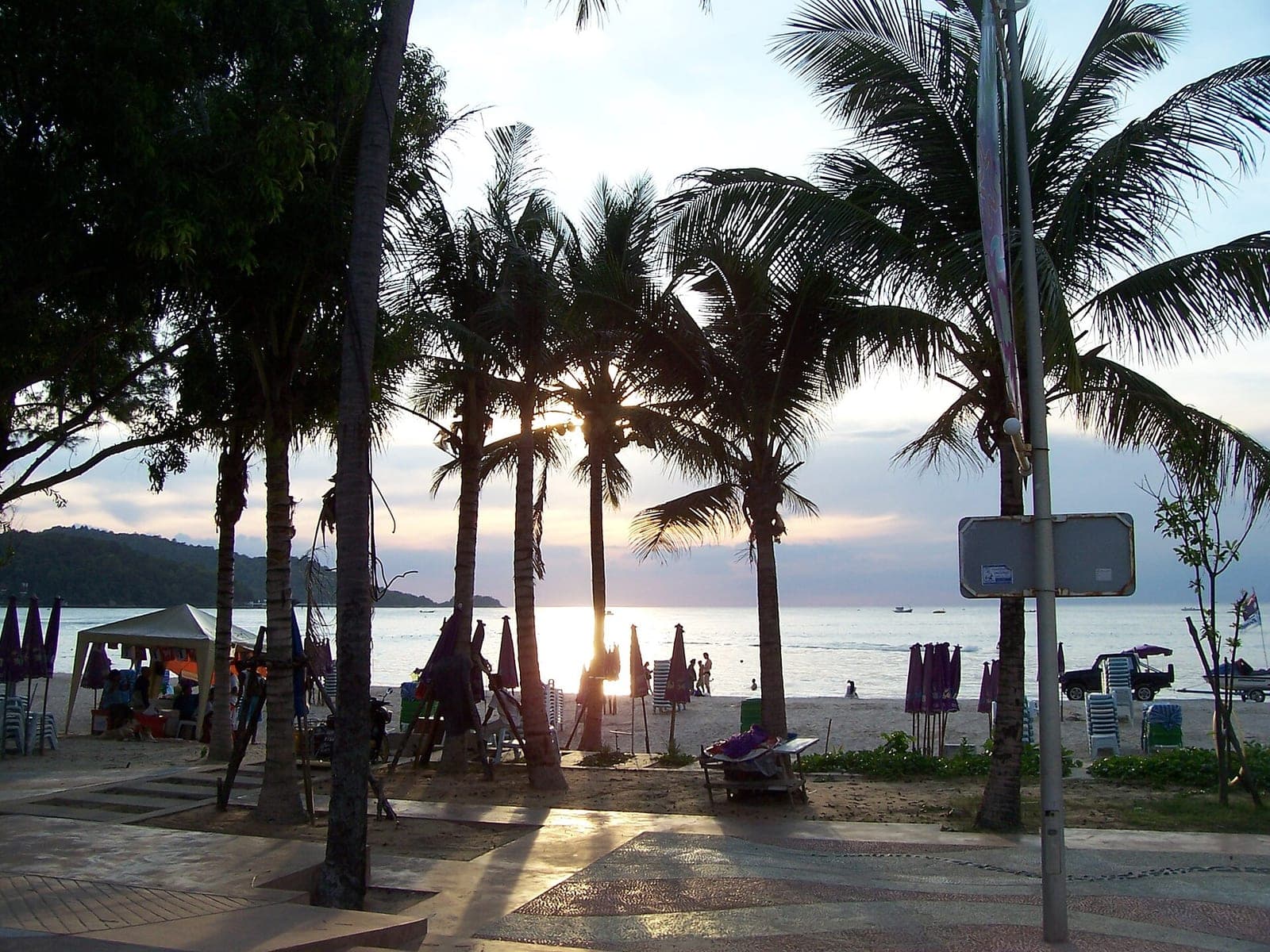
What Indonesia is for a man on this trip. Bali is the famous one: the party coast runs from Kuta and Legian through Seminyak to Canggu, and it is a wonderful week of beaches, beach clubs, sunsets and volcanoes. The crowd, though, is young Australian, European and Russian travelers, and the Indonesian women you meet are mostly hospitality staff who are working, or online matches who have agreed to meet you. There is a small and shabby freelance scene around Kuta that we would steer any reader away from. Jakarta is the opposite: an actual nightlife city of 11 million with Blok M — the old expat bar quarter and the closest thing Indonesia has to a strip — plus SCBD and Senopati for the moneyed young crowd and Mangga Besar for the late, loud, entirely local end of it. Jakarta rewards a man who knows what he wants and punishes a tourist who does not. If you are choosing a single Southeast Asian country for this trip, choose a different one, and use our rankings to see how we score them.
The women and the culture. About 87% of Indonesians are Muslim, and while Indonesian Islam is generally moderate and enormously varied, it sets the frame: alcohol is taxed heavily and sold in fewer places, Ramadan visibly changes both cities for a month, and public modesty is the norm outside the tourist strips. Bali is the great exception — it is Hindu, has its own calendar, its own festivals and a completely different atmosphere, which is exactly why the tourism concentrated there. Indonesian women are, in our experience, warm, family-oriented and considerably more cautious about being seen with a foreign man than their Thai or Filipina counterparts, particularly in Java. Family approval is not a formality. English is moderate in Bali's tourist economy and patchy in Jakarta outside the professional class. The realistic route to meeting someone here is entirely online and entirely slow: weeks of conversation, a video call, a public first meeting, and a family who will have opinions. That is a fine thing to want — it is simply not a thing you accomplish in a nine-night holiday, and online dating before you fly is the only sensible starting point.
Money. The currency is the rupiah (Rp), around Rp16,300 to the dollar as of August 2026. Cards are widely accepted in Bali's tourist economy and Jakarta's malls; warungs, drivers and small bars are cash. Alcohol tax makes Indonesia the second most expensive drinking country in this guide after Malaysia: a large Bintang in a Kuta bar is $2.50–4.50 and a Seminyak beach club will charge half as much again. Rooms are good value — $35–80 for something genuinely nice in Legian — and food is cheap if you eat local and expensive if you eat Western. Reckon $1,100–2,000 for a week in Bali excluding flights, more in Jakarta.
Getting there and around. There is no US nonstop to either airport. From the West Coast you connect in Taipei, Tokyo, Seoul, Singapore or Hong Kong for 20–24 hours door to door; from the East Coast, Doha or Dubai. Denpasar (DPS) serves Bali and is 20–40 minutes from Kuta or Legian for $10–15, and up to 90 minutes to Canggu when the traffic decides to be Bali traffic. Soekarno–Hatta (CGK) serves Jakarta and is 60–90 minutes from the middle of town, and Jakarta's traffic is legendary for good reason — the MRT and commuter rail help, and Grab and Gojek motorbike taxis help more. Ride-hailing pickups at both airports are restricted to designated areas. Do not rent a scooter in Bali without a license and proper insurance; the tourist accident rate is dreadful and the police roadblocks are a standing shakedown.
Safety and the law. Bali and Jakarta's business districts are safe for a sensible adult; the routine problems are drink markups, taxi mafias in the older parts of Bali, scooter accidents and, in Jakarta, a lot of traffic between you and anywhere. Two legal matters deserve real attention. First, drugs: Indonesia has executed foreign traffickers, jails users for years, and Kuta in particular is full of plain-clothes police — anyone offering you anything on Jalan Legian is either a policeman or setting you up for one. Vapes and certain medications also cause trouble at customs. Second, the new criminal code, the KUHP, which took effect on 2 January 2026 and makes sex outside marriage punishable by up to a year and unmarried cohabitation by up to six months. Both are complaint-only offenses that can be reported solely by a spouse, a parent or a child of one of the people involved; the government and Bali's tourism industry have said repeatedly that visitors are not the target, hotels are not required to ask about marital status, and as of August 2026 we know of no foreign tourist prosecuted under either article. The realistic exposure is not the hotel desk — it is a disapproving family or an estranged husband now holding a legal lever. Behave with discretion and it will never touch you. See safety and our Bali page for the fuller version.
When to go. Bali's dry season runs roughly April to October and is the better half of the year; the wet season from November to March brings heavy afternoon rain and cheaper rooms. Jakarta is hot and humid year-round with its heaviest rain from December to February, when parts of the city flood. Two dates to plan around: Nyepi, Bali's Hindu Day of Silence, when the entire island — airport included — closes for 24 hours (9 March in 2027), and Ramadan, which subdues Jakarta for a month and barely touches Bali. Both are in the events calendar.
How it has changed, and where it is now. Bali's modern history turns on the 2002 Kuta bombing; the decade after moved the money north to Seminyak, and the decade after that invented Canggu. Covid emptied the island completely for two years and it came back different — more Russians, more digital nomads, a Rp150,000 tourist levy since 2024, a governor's task force deporting badly behaved foreigners, and traffic the roads were never built for. Jakarta has meanwhile built a metro, cleaned up its river and lost most of its old expat bar culture to redevelopment. As of August 2026 Indonesia is a better country than it has ever been to visit and no better than it has ever been for the job this site is about. Go for a fortnight with somebody. Do not go to find somebody.
Best for
- a holiday with someone you already know
- beaches and beach clubs
- digital nomads and long stays in Bali
- a big modern city in Jakarta
Best months
April to October in Bali for the dry season; Jakarta is hot and humid all year with its worst flooding from December to February. Plan around Nyepi in March and Ramadan.