

A local SIM card in Southeast Asia costs between four and twenty dollars, takes ten minutes to buy with your passport, and comes with more data than you can plausibly use in a fortnight — which is why almost nobody who travels here regularly pays for US roaming. Getting connected is the cheapest and easiest piece of admin on the whole trip, and it is worth doing properly on day one, because everything else — Grab, maps, your hotel, the woman you have been messaging for a month — runs through the phone in your pocket.
Two decisions, and they are not exclusive. Whether to arrive with an eSIM already working, and which local SIM to buy once you are on the ground. Figures below are as of August 2026 and move a little with promotions.
Should you buy a local SIM, an eSIM, or just roam?
Roaming is the expensive answer and the only one that needs no thought. US carriers sell international day passes at roughly $10–12 a day, which over a fortnight costs more than every local SIM in this guide put together. A few plans include slow data in Asia at no extra charge; if yours does, use it for the first hour and buy a SIM anyway.
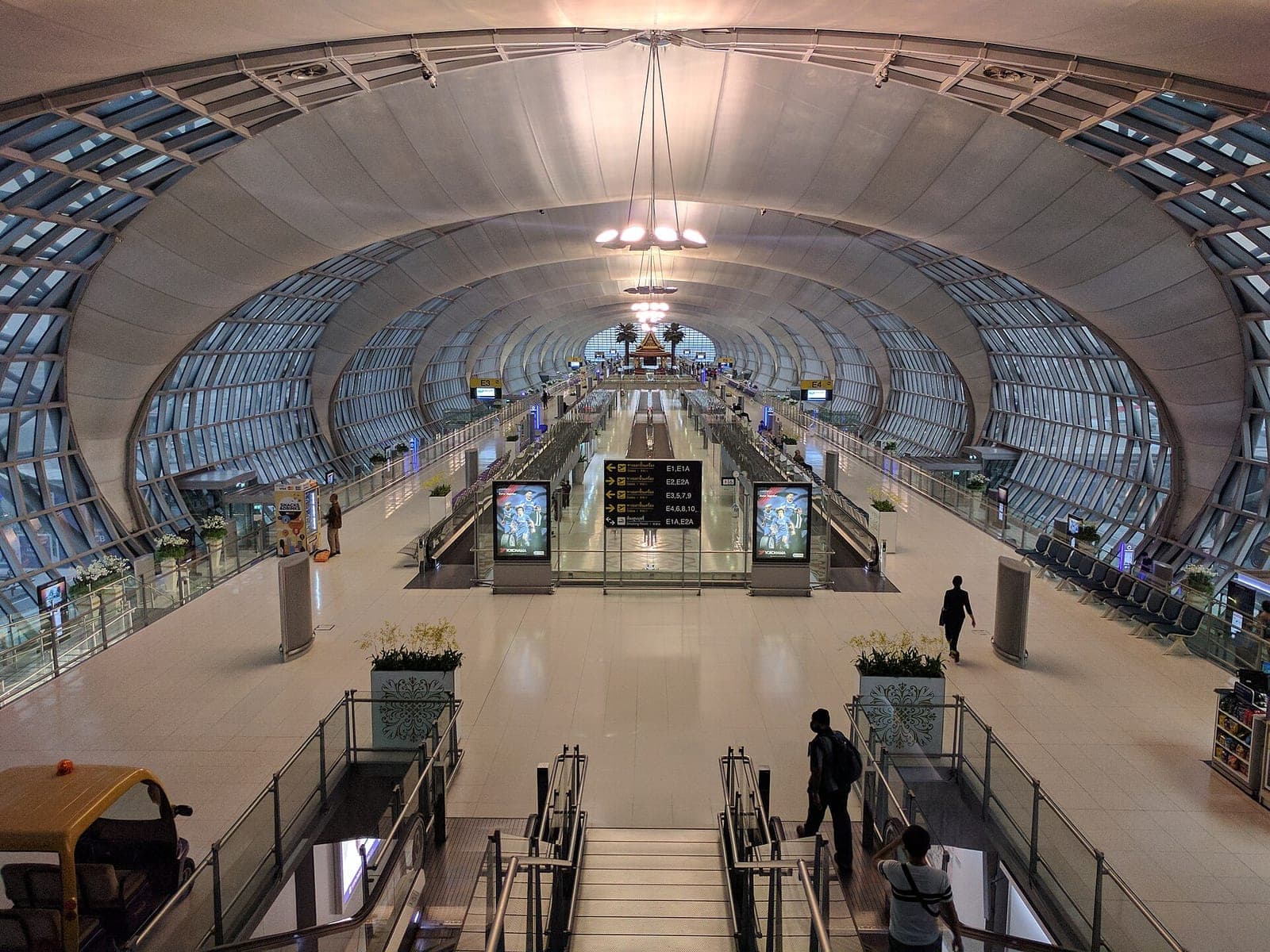
An eSIM is a data plan you download before you leave, so your phone is online the second you turn off airplane mode at Suvarnabhumi or Clark. A regional Asia plan runs $15–35 (US$15–35). You get data and nothing else: no local phone number, which matters more than you think.
A local SIM costs a fraction of that per gigabyte and, crucially, gives you a local number. You need one for Grab account verification in some countries, for GCash or Maya in the Philippines, for hotel and restaurant bookings, for the bank OTP if you open anything local, and for the simple business of a woman being able to call you when her data runs out — which happens constantly.
Our routine, every trip: buy a regional eSIM before flying, land connected, then buy a local SIM the next day in town at the local price. Total outlay for two weeks, both together, well under $50.
What does a tourist SIM cost, country by country?
| Country | Carriers worth buying | Typical tourist pack | Where to buy | Registration |
|---|---|---|---|---|
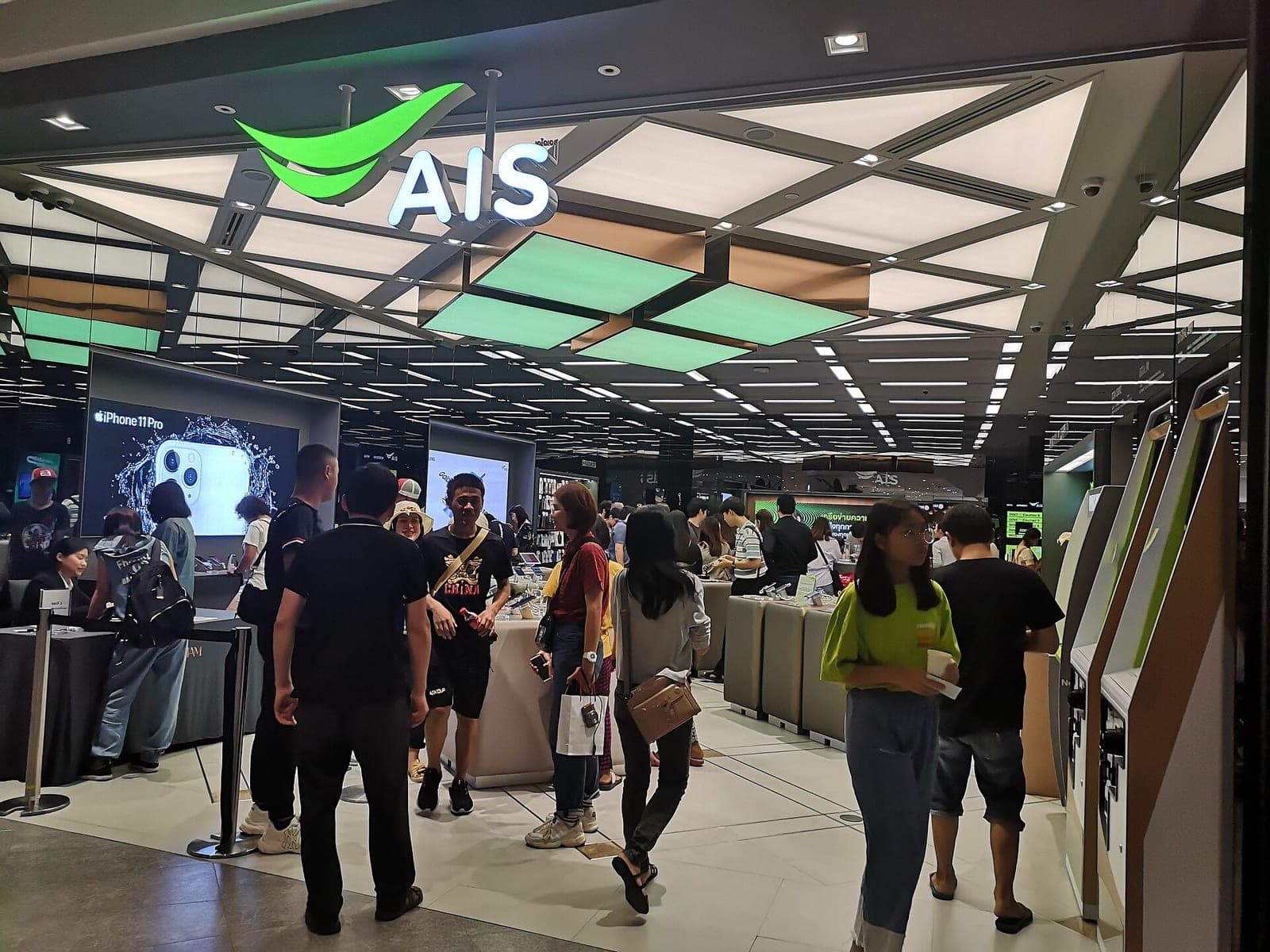
| Thailand | AIS, True (dtac has been folded into True since the 2023 merger) | $10–20 (฿300–700) | 7-Eleven, operator shop, airport counter | Passport, done at the counter |
| Philippines | Globe, Smart; DITO is cheap but patchy | $9–20 (₱500–1,100) | Airport kiosk, any mall | Passport, mandatory by law |
| Cambodia | Smart, Cellcard, Metfone | $5–10 (US$5–10) | Airport, any phone shop | Passport |
| Vietnam | Viettel best coverage; Vinaphone, Mobifone fine in cities | $4–8 (₫100,000–200,000) | Official carrier shop or airport | Passport; buy from a real shop |
| Indonesia | Telkomsel for coverage, Indosat and XL cheaper | About $10–20 for 15–30 GB | Official shop or mall, not the arrivals hall | Passport; IMEI rules apply to long stays |
| Malaysia | Maxis/Hotlink, CelcomDigi, U Mobile | About $8–15 for 30 days | KLIA counters, any 7-Eleven | Passport |
The rule that holds everywhere: the airport counter charges roughly double the town price for the identical pack. If you have an eSIM you are not desperate, so wait a day.
Thailand: AIS, True, and the 7-Eleven trick
Thailand has the best mobile network in the region and the least drama buying a SIM. Two carriers matter: AIS, which has the widest coverage and the fewest complaints, and True, which absorbed dtac in the 2023 merger and is now the same size. Coverage in Bangkok, Pattaya and Phuket (Patong) is excellent, 5G is normal rather than notable, and the islands are fine.
Tourist packs run $10–20 (฿300–700) for 8 to 15 days of unlimited or very generous data plus a small call balance. Buy one of three ways:
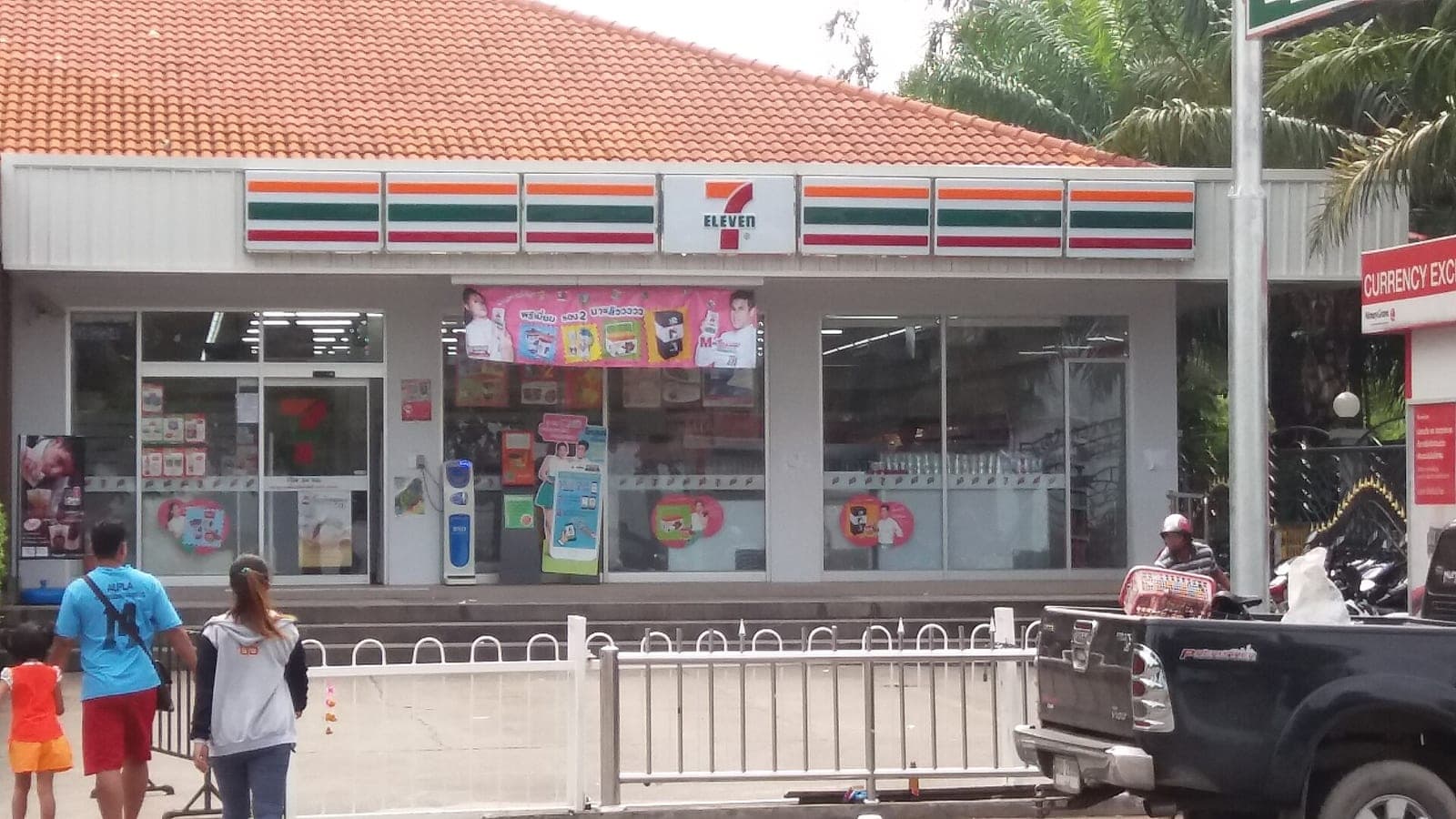
- 7-Eleven. There is one every hundred meters, they sell AIS and True tourist SIMs off the shelf, and they will register it against your passport at the counter. Cheapest and fastest.
- An operator shop in any mall — AIS or True, staffed, English-speaking, and they will fit the SIM and check it works before you leave. Best if you want an eSIM QR code or a specific plan.
- The airport counter. Convenient, roughly double, staffed until late.
Thailand requires SIMs to be registered to an identity, so bring your passport; nobody makes a fuss about it.
The Philippines: Globe, Smart, and the registration law
The Philippines has been serious about SIM registration since the SIM Registration Act came into force in 2022, which was aimed at text scammers rather than tourists but applies to everyone. A visitor SIM is registered against your passport and valid for 30 days, extendable at a Globe or Smart store if you stay longer.
Globe and Smart are the two you want; they trade places for best coverage depending on who you ask and where you are. Around Angeles City and Clark both are solid. In Manila both are solid. On a boat to a small island, neither. DITO, the third network, undercuts them on price and is genuinely fine in metro areas, but it is the one that drops out first when you leave the city.
Tourist SIMs cost $9–20 (₱500–1,100) for a data-heavy 15- or 30-day pack. Counters at Manila's terminals and at Clark sell and register them on the spot. A local number is more useful in the Philippines than anywhere else on this list: GCash and Maya, the two e-wallets, are how the country pays for things, and both need a Philippine number and passport verification to set up.
Data promos here are sold as bundles rather than plain gigabytes. Have the shop assistant load one; the menus are impenetrable and she has done it a thousand times.
Cambodia and Vietnam: the cheap end
Phnom Penh will spoil you. Smart, Cellcard and Metfone sell tourist SIMs for $5–10 (US$5–10) with data allowances that make American plans look like a joke. Buy at the airport — the counters here are not the rip-off they are elsewhere — or at any phone shop in town. Coverage is good in Phnom Penh, patchier on the roads between provinces.
In Vietnam, Viettel has the best national coverage and Vinaphone and Mobifone are fine in Ho Chi Minh City and Hanoi. A 30-day tourist pack costs $4–8 (₫100,000–200,000). One caution: buy from an official carrier shop or the airport counter, not a street kiosk. Vietnam has tightened registration rules repeatedly and improperly-registered SIMs get cut off without warning — usually a week into your trip, usually on a Sunday. Vietnam launched commercial 5G in late 2024 and it is solid in District 1 and central Hanoi; elsewhere 4G is what you will actually use, and it is fast enough.
Indonesia and Malaysia
Indonesia: Telkomsel has by far the best coverage across the islands, with Indosat and XL cheaper in the cities. Expect roughly $10–20 for a useful tourist pack. Two warnings. First, the arrivals hall at Denpasar has a long-standing reputation for charging visitors several times the going rate — walk out, buy in Kuta or Seminyak. Second, Indonesia enforces IMEI registration: a foreign handset using a local SIM is fine for a tourist window, but if you are staying months you register the phone's IMEI with customs or the SIM stops working. For a two-week trip to Bali, ignore it.
Malaysia is the easy one. Hotlink (Maxis), CelcomDigi and U Mobile all sell 30-day prepaid packs for around $8–15, coverage in Kuala Lumpur is excellent, and the KLIA counters are not extortionate.
Which messaging app does each country actually use?
This is the part Americans get wrong, and it costs them conversations.
| Country | What everyone uses | Also seen | Barely used |
|---|---|---|---|
| Thailand | LINE | Messenger, Instagram | |
| Philippines | Facebook Messenger | Viber, WhatsApp | LINE |
| Vietnam | Zalo | Messenger, Telegram | |
| Cambodia | Telegram | Messenger | |
| Indonesia | Instagram, Telegram | LINE | |
| Malaysia | Telegram | LINE |
Install the local one before you fly and set your display name and photo like an adult. In Thailand, a woman will ask for your LINE within the first ten minutes of a conversation; if you do not have it, the conversation ends there. In the Philippines, Facebook is the internet — Messenger is where family, work and dating all happen, and many prepaid promos still bundle it. In Vietnam, Zalo is used for everything down to booking a haircut.
Telegram in Cambodia is worth a word of caution: it is the national default for legitimate business, and it is also where a great deal of regional fraud is organized. Being on Telegram is normal; being asked to move a conversation off a verified platform onto Telegram by someone you have never video-called is a flag, and Scams: the ones that are still running, and how to handle each explains why.
Is hotel wifi good enough?
For email and video calls, usually yes. For anything else, use your data.
Thai and Malaysian hotel wifi is generally quick and reliable. Cambodian and Vietnamese city hotels are better than you would expect. Philippine hotel wifi remains the weak link — the country's fixed broadband has improved a great deal since fiber rollouts and satellite internet reached the provinces, but a mid-range hotel in Angeles City can still hand you a router shared between forty rooms. Brownouts are a fact of life in the Philippines and in parts of Cambodia; the good hotels have generators, and your phone's data does not care either way.
If you need to actually work, a coworking day pass runs $8–15 (฿250–500 / ₱400–800) in Bangkok, Saigon, Bali and Phnom Penh. Never do banking on open hotel or bar wifi; use your own cellular data instead.
Do you need a VPN?
Probably, for two mundane reasons and one practical one.
- US streaming services geo-block you the moment you land. If you want your usual subscriptions on the hotel TV, a VPN is the fix.
- US banks and brokerages sometimes get twitchy about logins from Bangkok, though more often they get twitchy about a VPN login from Bangkok. Tell your bank you are traveling before you go, and if a site refuses you, try it both with and without the VPN on.
- Public wifi. A VPN on hotel, airport and café networks is basic hygiene, and it costs a few dollars a month.
Legality: personal VPN use is legal in all six countries covered here. Thailand blocks gambling and some adult sites at the network level, Indonesia blocks a longer list, and Vietnam's cybersecurity law is aimed at platforms and data storage rather than at tourists. Nobody is going to knock on your hotel door. Install and pay for it before you fly, though — some VPN providers' own websites are among the things that get blocked.
What does the first hour on the ground look like?
Turn off airplane mode and your eSIM connects; message home, and message her. Book the ride to the hotel inside Grab — or PassApp in Cambodia — rather than haggling at the curb, for the reasons in Scams: the ones that are still running, and how to handle each. Get the hotel wifi password, turn on the VPN, sleep. Next morning, walk to a 7-Eleven, a mall or a carrier shop with your passport and buy the local SIM, then install whichever messaging app the country actually uses.
That is the whole job, and it costs about the price of two beers. If you have been  chatting with someone for a few weeks before landing, send her the local number the moment you have it: being reachable on a local number is the difference between a plan and a maybe.