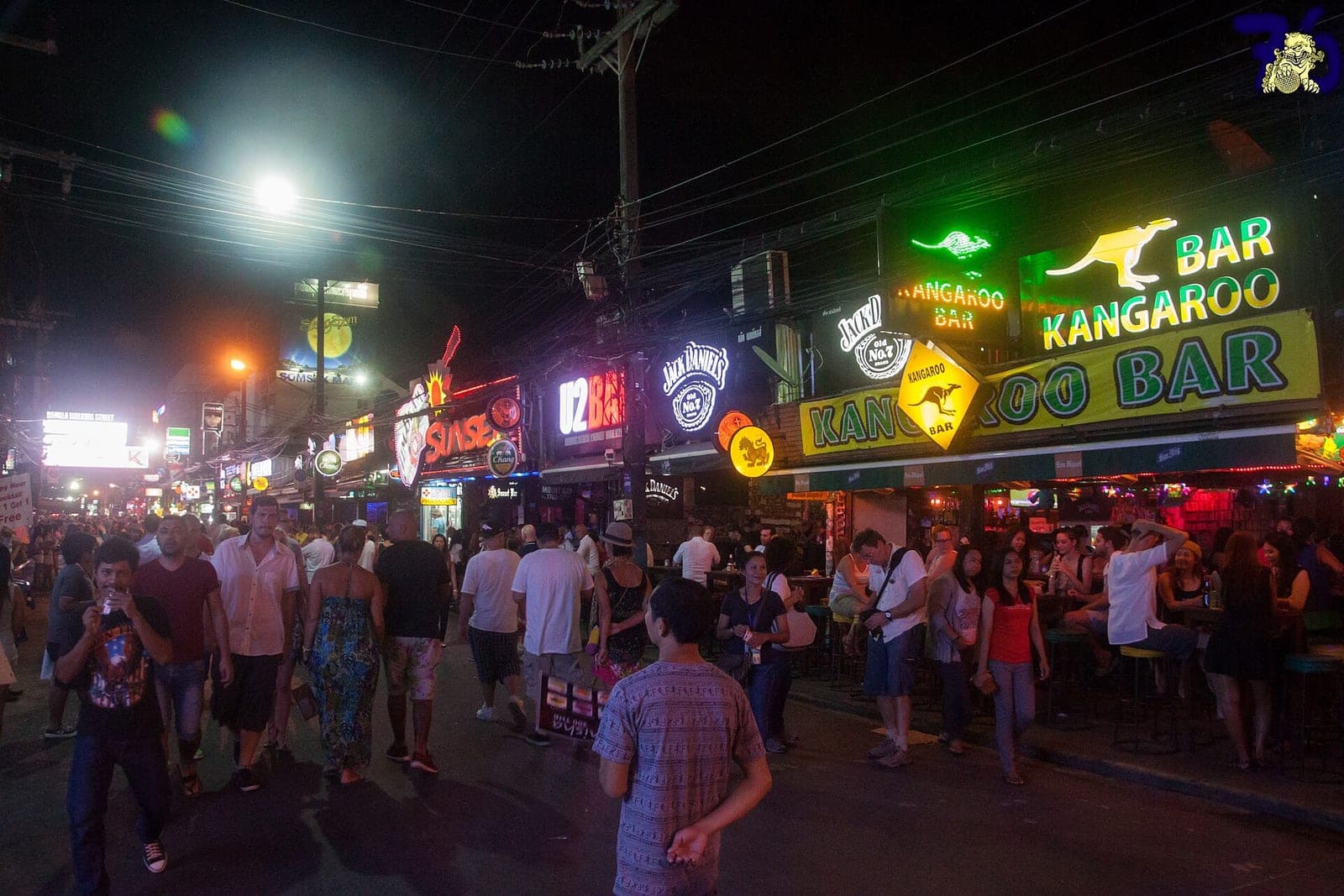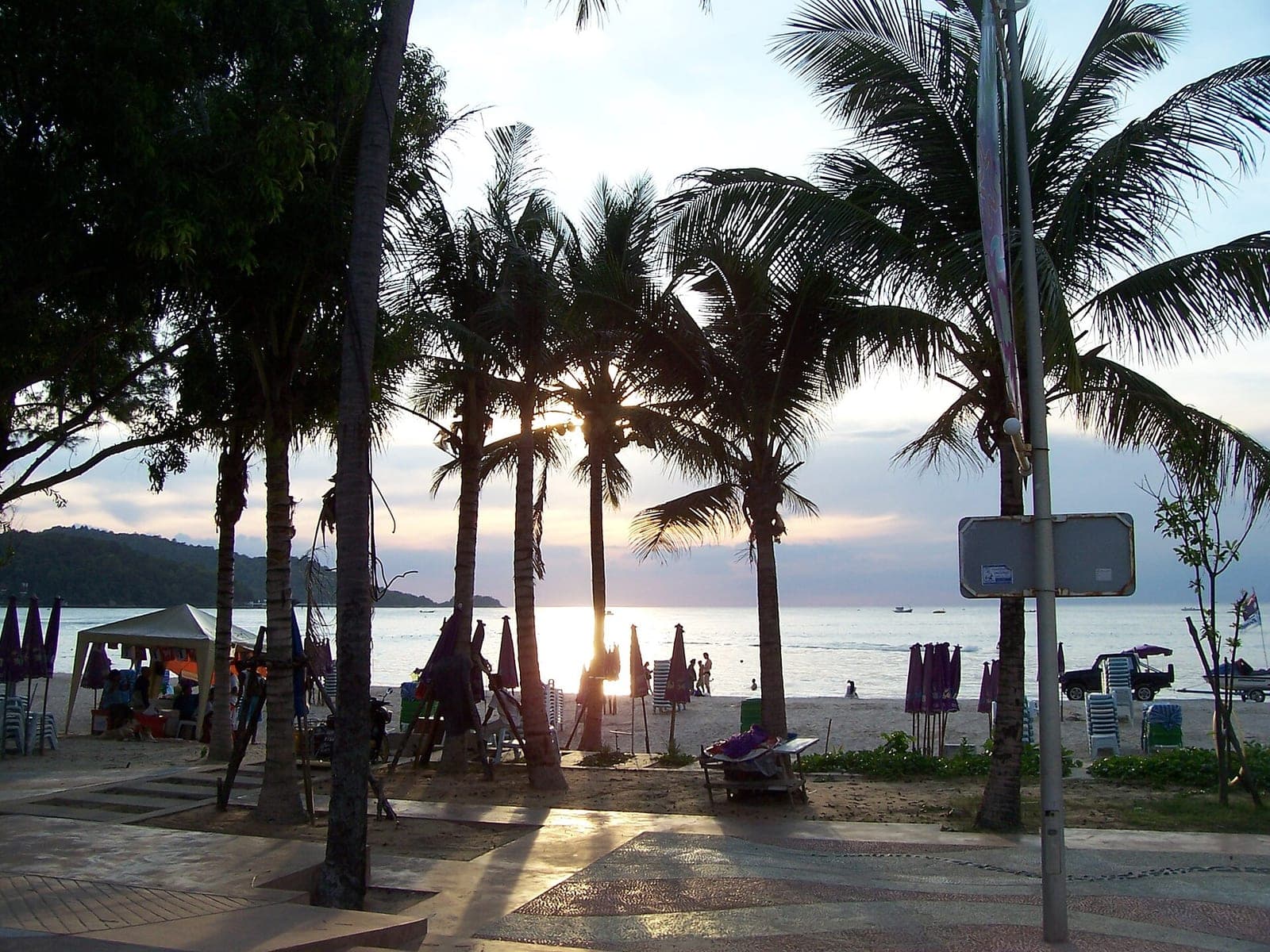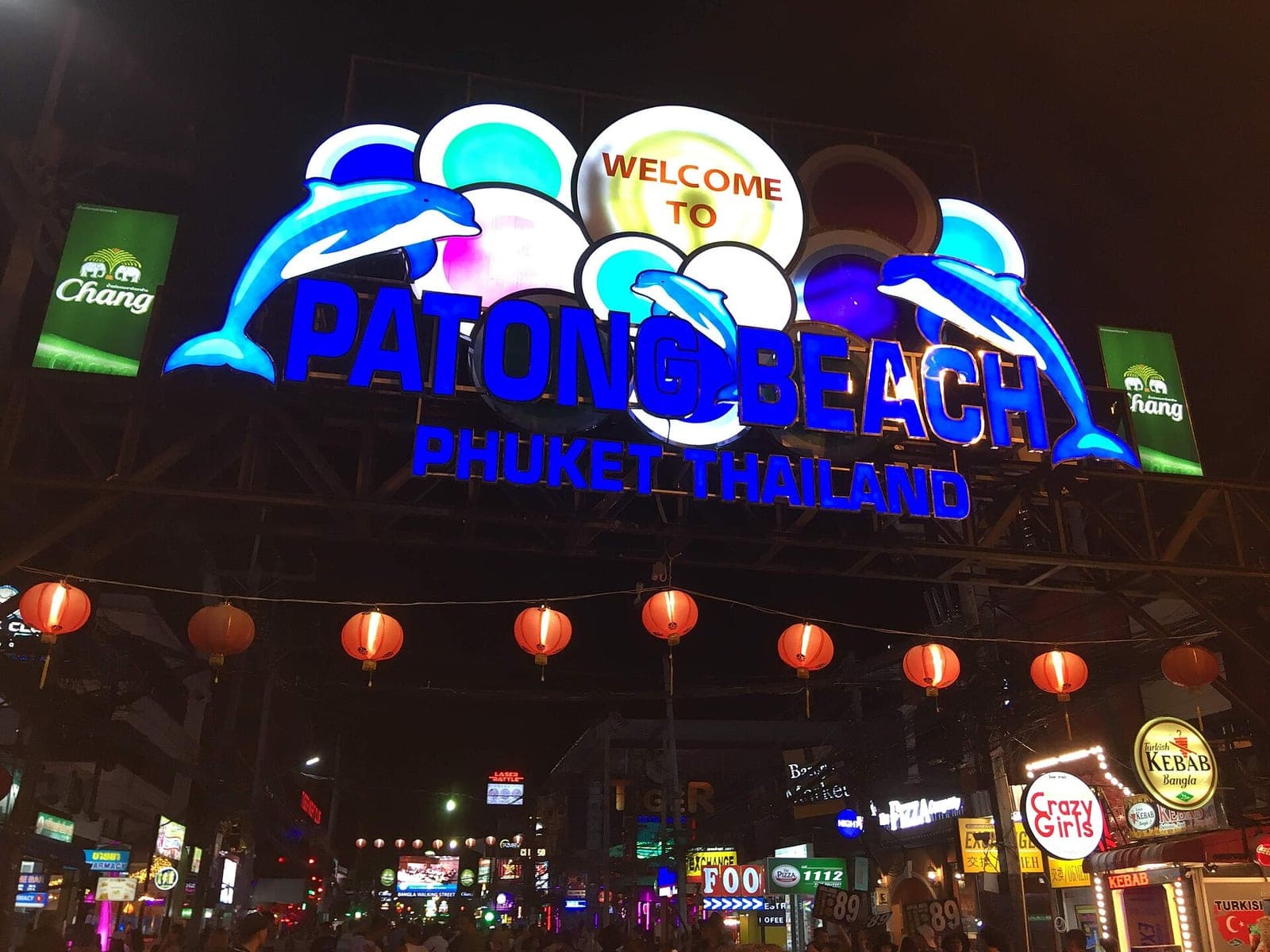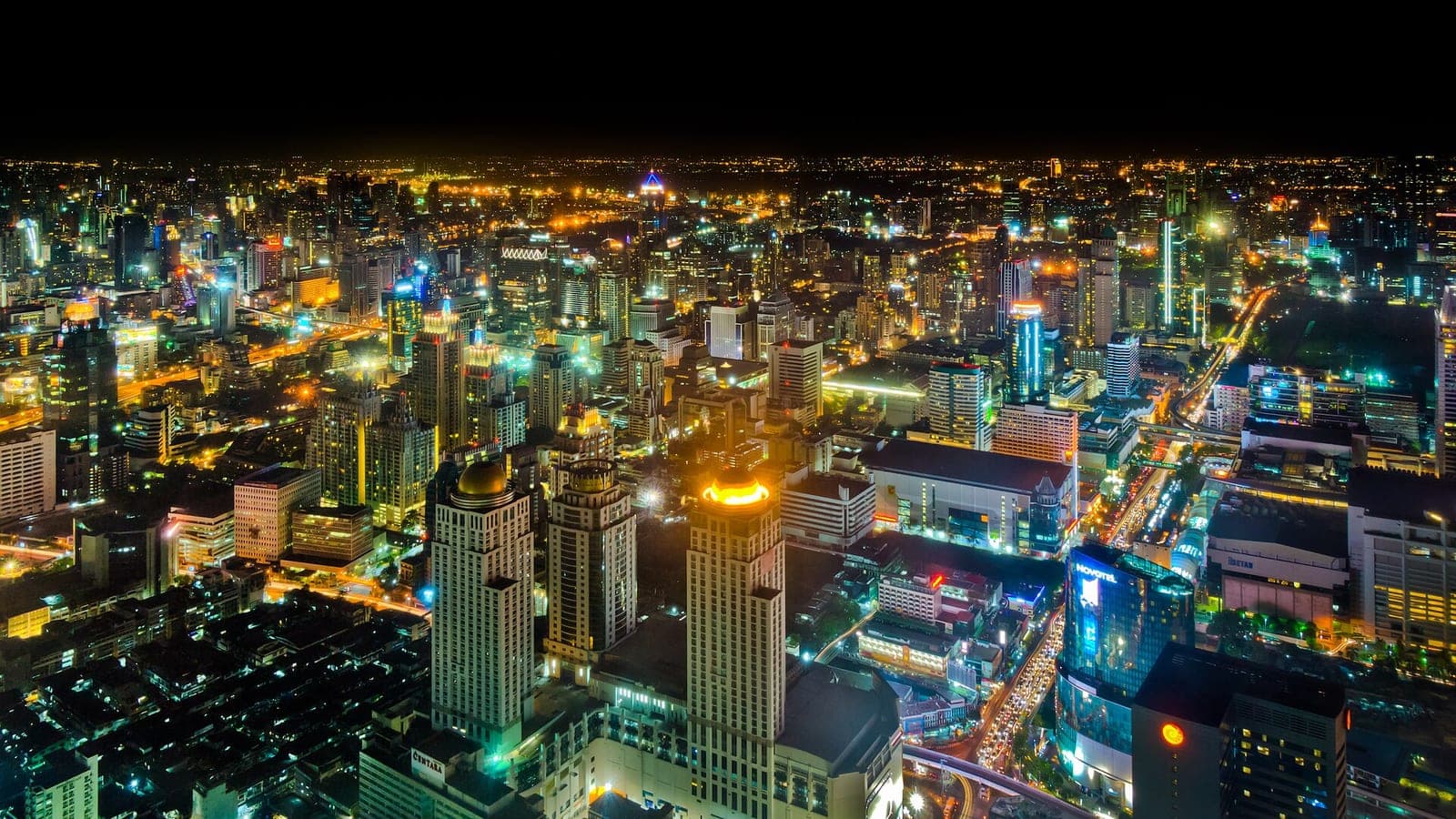


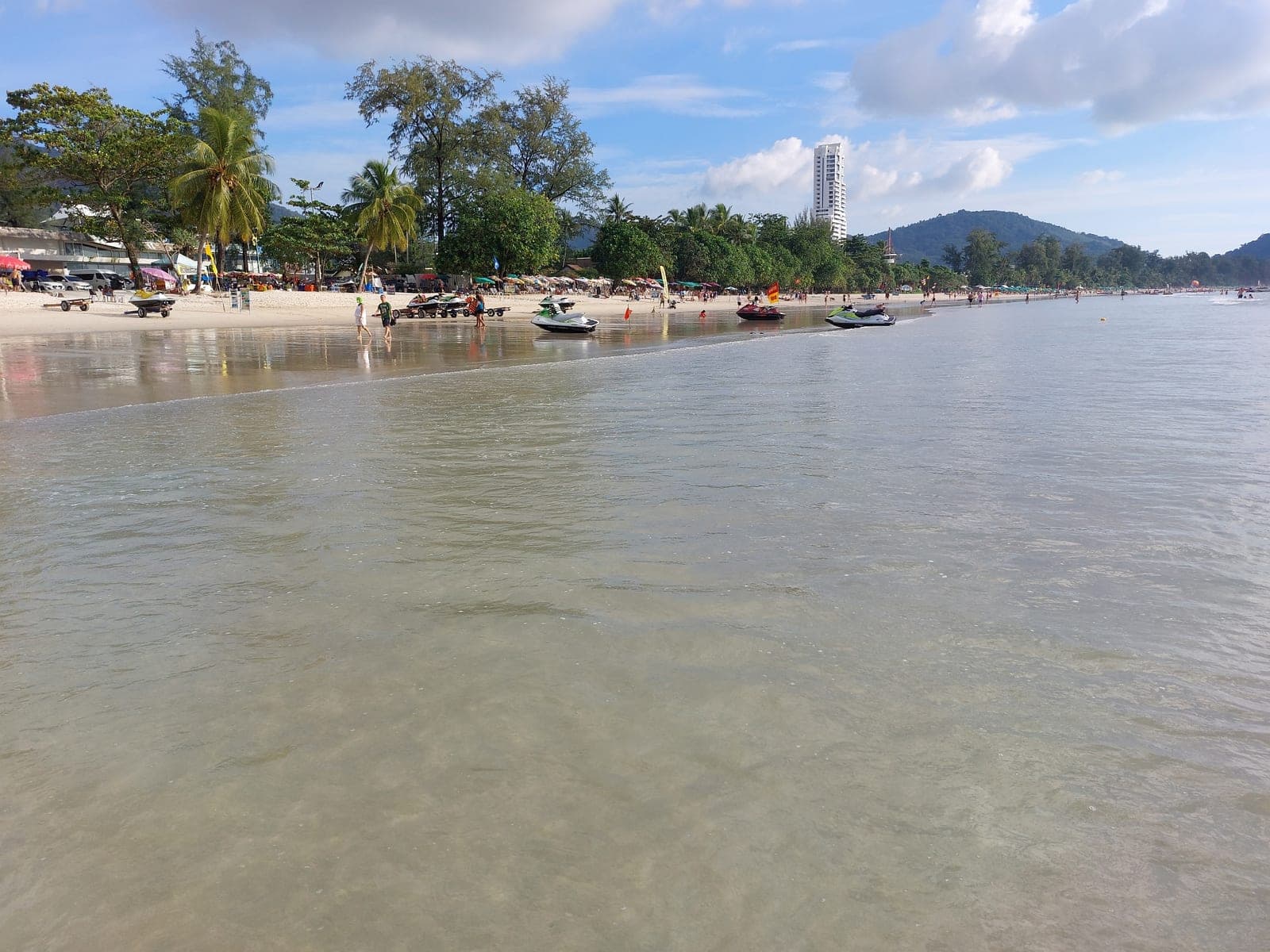


















Phuket is Thailand's largest island — 222 square miles (576 km²) in the Andaman Sea off the country's south-west coast, joined to the mainland by a bridge — and for a single man it is one very good beach holiday with one bar street attached. That street is Bangla Road in Patong, and it is the whole of the island's nightlife. Everything else is restaurants, hotel bars and beach clubs.
We rank Phuket tier three, and we want to be straight about why. It is not a criticism of the island, which is the prettiest place in this guide. It is a statement about what a week here delivers against what the same week delivers in Pattaya or Angeles City, which cost less, offer five to ten times the scene, and are full of men who came for the same reason you did.
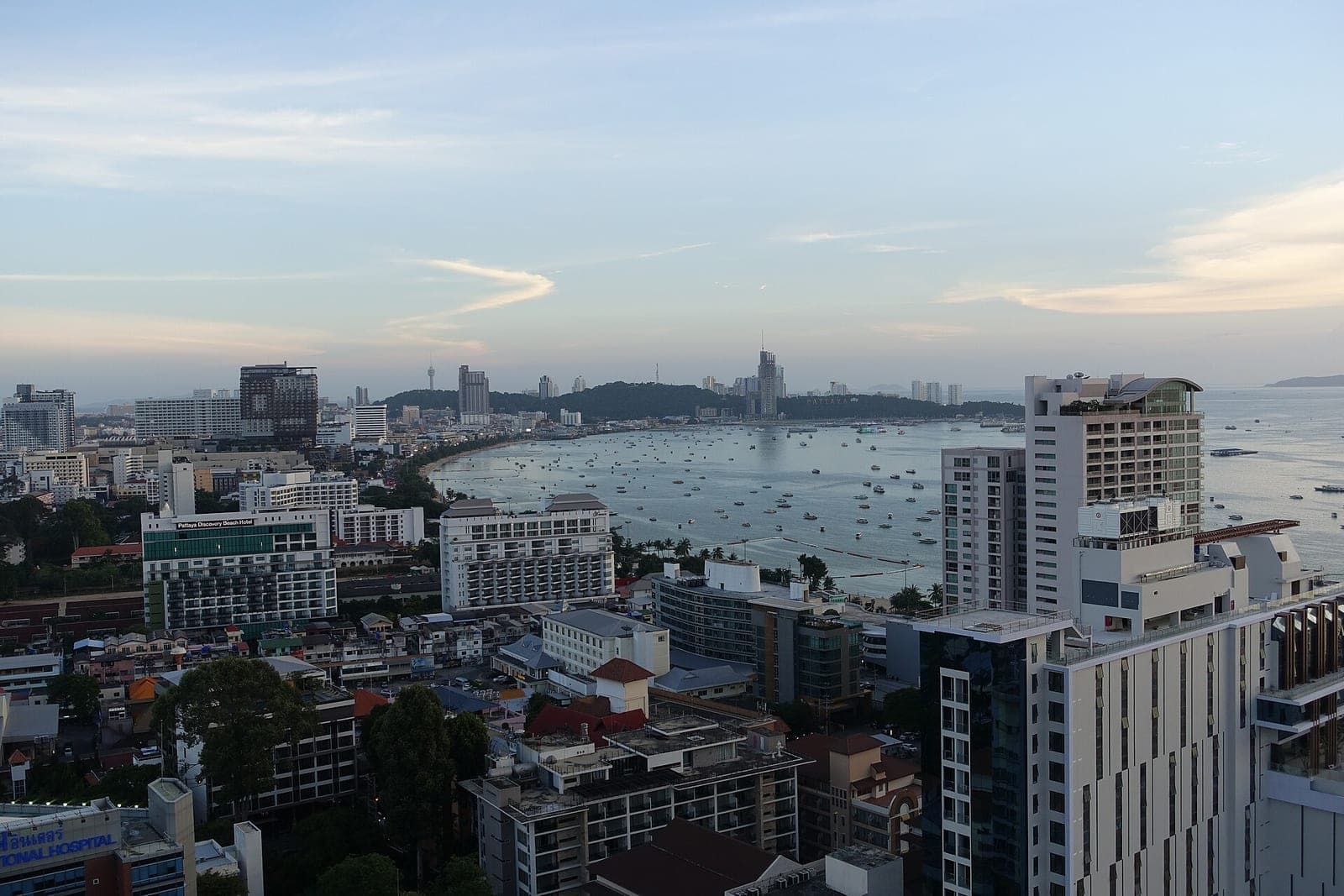
What Phuket has that Pattaya does not. A real island. The west coast is a chain of proper beaches — Patong, Karon, Kata, Kamala, Surin, Bang Tao, Nai Harn — with clear water, headlands and hills behind them, and the boat trips out to Phi Phi, Phang Nga Bay and, in season, the Similans are among the best day trips in Asia. Phuket Old Town is a genuinely lovely grid of Sino-Portuguese shophouses and cafés. The hotel stock is the best in Thailand at every price point, from $30 guesthouses to some of the most photographed resorts in the world. There is a Big Buddha, a Sunday walking-street market, decent diving, and enough to fill ten days without repeating yourself. Nowhere else in this guide scores five for daytime.
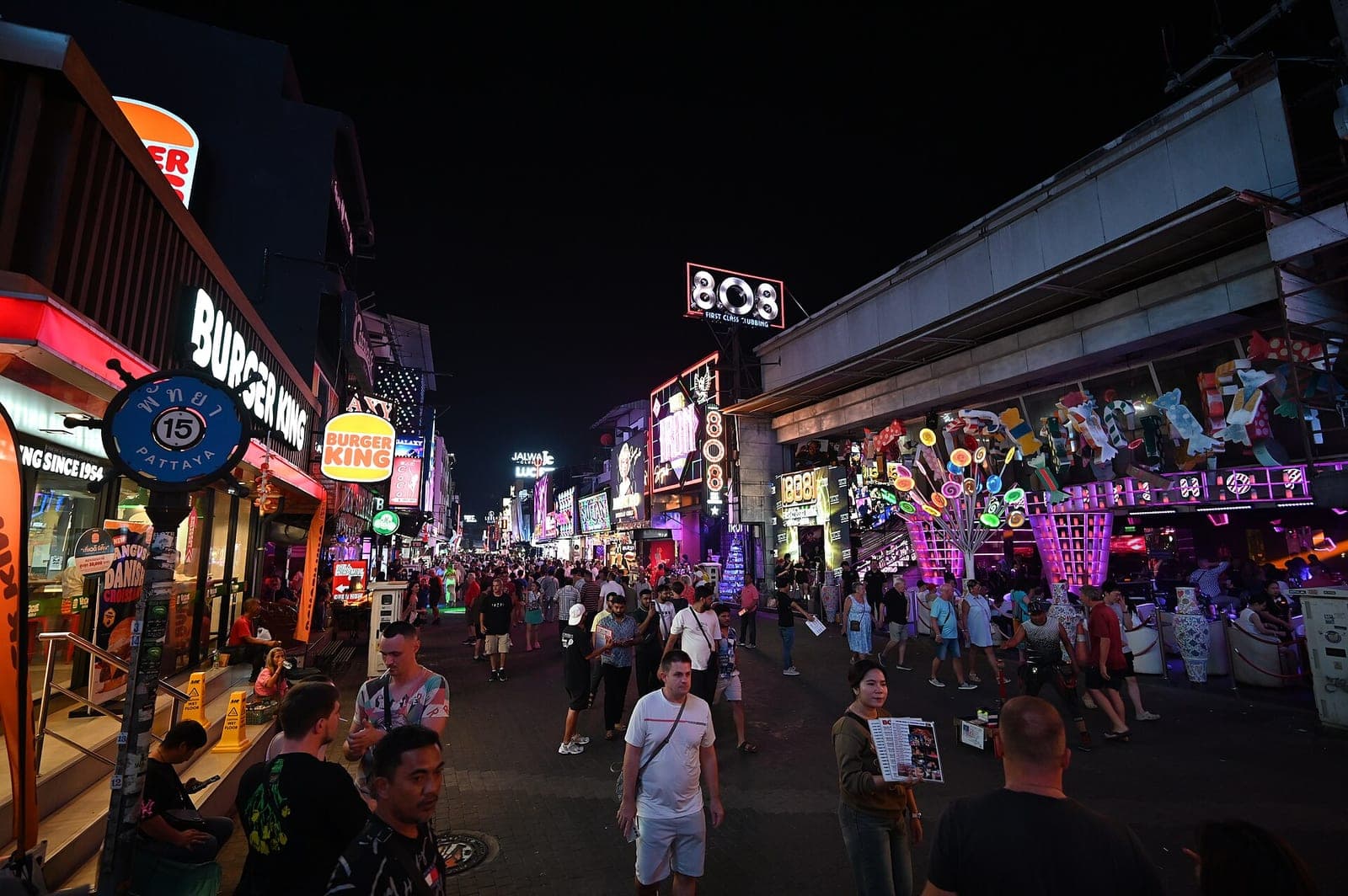
What it does not have. Depth. Bangla Road is 400 metres long, closes to traffic at about 18:00 and holds perhaps a couple of hundred venues counting every stool in every side soi — open-air beer bars along the middle, go-go rooms upstairs and off Soi Sea Dragon and the lanes near it, and three or four big nightclubs of which Illuzion is the standout. That is it. Pattaya has seven separate scenes and you cannot see them all in a fortnight; Phuket has one and you will have seen it on night two. There is no equivalent of Soi 6 for an afternoon, no LK Metro for a cheaper second night, no Soi Buakhao full of resident expats. Patong Beach is the daytime, and it is better than anything in Pattaya, but the night is one street.
The crowd, which is the real difference. Walk Bangla at eleven on a Saturday and you will pass couples, families, hen parties, Chinese tour groups photographing the neon, Russian holidaymakers, Australian and British stag groups, and Indian tour parties — and single Western men will be a modest minority of the people on it. That changes everything about how the street behaves. Pattaya and Angeles are, at their core, places built around men who came alone. Patong is a mainstream international resort that happens to have a bar street in the middle. If you want to be one of a thousand men doing the same thing, this is the wrong island.
Cost. Phuket is the most expensive place in Thailand and it is not close. As of August 2026, a beer in a Bangla bar is $3–5.50 (฿100–180) against $2.50–3.50 in a Pattaya beer bar; a mid-range Patong hotel is $50–110 (฿1,600–3,600) a night against $45–85 in Pattaya; and transport is the killer. There is no baht bus network here. Taxis and tuk-tuks work to a local price convention rather than a meter, and a short hop can be $6–9 (฿200–300) where the same distance in Pattaya is fifty cents. Grab and Bolt operate but availability is uneven and drivers are not always welcome at the ranks. Budget 30–50% above a Pattaya week for the same standard of trip.
| Item | Phuket (Aug 2026) | Pattaya (Aug 2026) |
|---|---|---|
| Beer in a bar | $3–5.50 (฿100–180) | $2.50–3.50 (฿80–110) |
| Mid-range hotel with pool | $50–110 (฿1,600–3,600) | $45–85 (฿1,500–2,800) |
| Short taxi / tuk-tuk hop | $6–9 (฿200–300) | $0.45–0.60 baht bus |
| Airport transfer | 45–60 min, $18–30 by car | ~2 hours, $40–55 by car |
| Bar streets | One | Six or seven |
| Season | Nov–Apr; monsoon May–Oct | Year-round |
Seasonality. This matters more here than anywhere else in the guide. High season is November to April: calm sea, blue sky, full bars, peak prices. From May to October the southwest monsoon hits this coast — rain in bursts, red flags and rip currents on the beaches, room rates cut by half, and a Bangla Road running at a fraction of its normal trade with staff outnumbering customers. Low season is a bargain for a beach holiday and a poor bet for a night out.
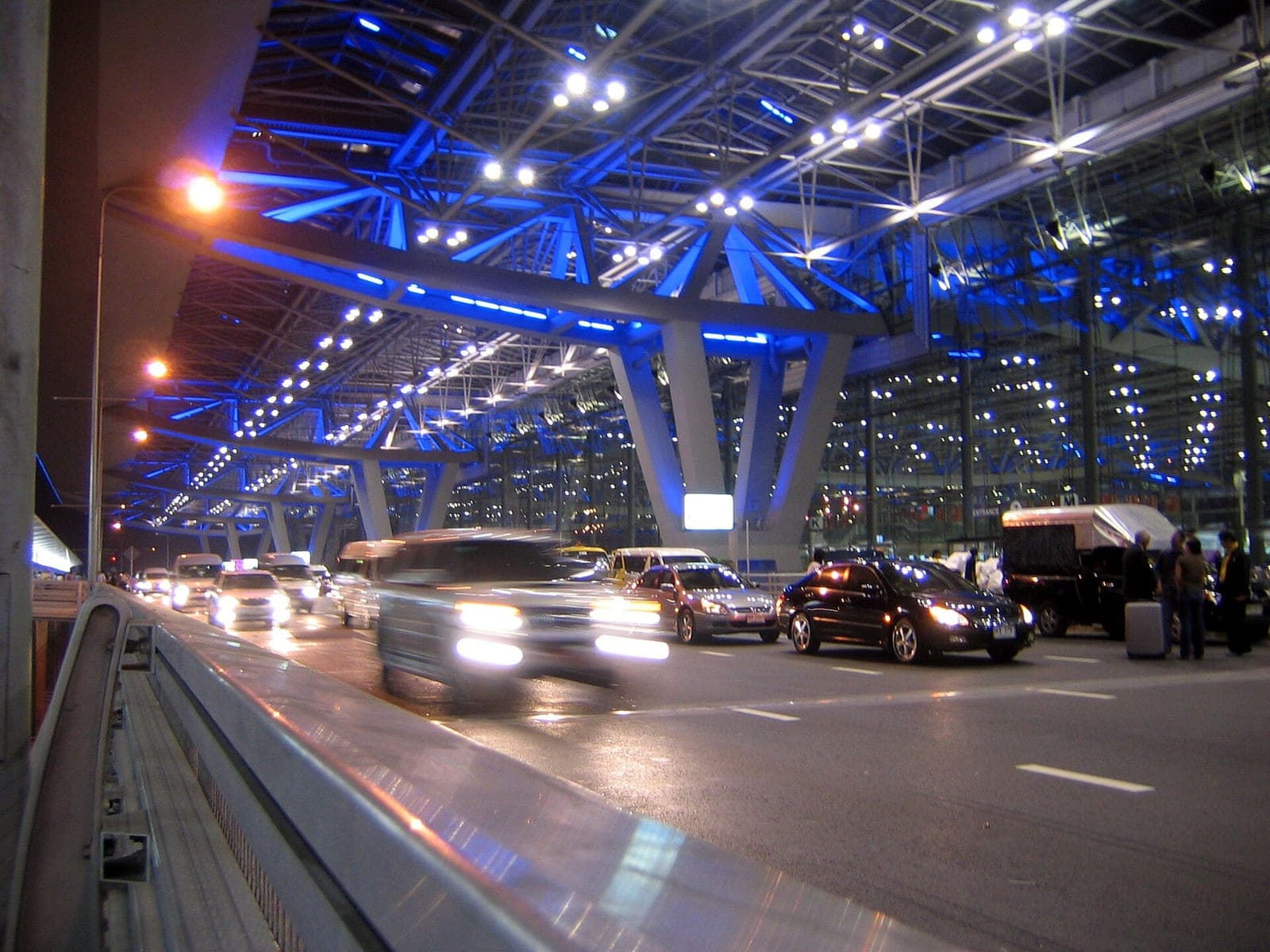
Getting there and around. Phuket International (HKT) sits at the north end of the island, 45–60 minutes by road from Patong, and takes direct flights from across Asia, the Gulf and, seasonally, Europe. From the States you will connect through Bangkok, Doha, Dubai, Singapore, Hong Kong or Seoul; Bangkok to Phuket is 85 minutes and $40–75 one way. Within the island, plan on paid cars: airport transfers $18–30, in-town hops as above, and a hire car or a driver for a day if you want to see the south. Songthaews link Phuket Town to the beaches in daylight hours and to nothing at night.
Safety. Phuket is safe and Patong is well policed, with the ordinary bar-tab, pickpocket and "free show" nonsense you would expect on any big tourist strip. Three specific things kill or fleece visitors here. Rip currents on the west-coast beaches drown people every monsoon season, almost always after a red flag was ignored. Rented scooters on Phuket's steep hill roads produce more foreign casualties than anywhere in Thailand. And the jet-ski damage claim — a scratch found on return, an enormous repair estimate — has survived every crackdown for twenty years. Take the flags seriously, do not ride, do not rent a jet-ski, and see the safety page and the scams page.
Who it is for. Phuket suits the man taking a beach holiday who also wants a couple of big nights out; the man travelling with a partner or a friend who does not share his interest in bar streets; the diver, the golfer, the boat-trip man; and anyone stitching three nights on the island onto a longer trip. It does not suit a first-timer whose purpose is the scene, a man on a budget, a long stay, or anyone visiting between May and October for the nightlife.
How to use it. Our recommendation is simple: four nights in Patong at the end of a Thailand trip, in high season, after ten days in Pattaya or Bangkok. You get the best beaches in the country, one very good night on Bangla, a boat trip, and a couple of quiet days — which is exactly what Phuket is good at. Read how to choose a destination before you build the itinerary, and see the Phuket hotels page and the rest of Thailand.
Scorecard
How Phuket (Patong) rates
Our 1–5 scores, the same ones that drive the rankings page. Opinion, consistently applied.
- Scene
- 3out of 5
- Ease of meeting
- 3out of 5
- Value
- 2out of 5
- English
- 3out of 5
- Safety
- 4out of 5
- Hotels
- 4out of 5
- Daytime
- 5out of 5
- Access from US
- 3out of 5
- Relationship odds
- 2out of 5
The vibe
A postcard island with a fairground in the middle of it: turquoise water and limestone by day, fire dancers and 130 decibels on one street by night, and holiday couples everywhere in between.
Best for
- beaches and boat trips
- a beach holiday with two big nights out
- good hotels
- an add-on to a Thailand trip
- travelling with a partner or a friend
Not for
- first-timers whose purpose is the scene
- budget trips
- long stays
- the May–October monsoon if nightlife is the point
- men who want to be a regular somewhere
When to go & how to get around
November to April is high season — dry, calm sea, full bars and peak prices, with December and January the busiest and dearest. May to October is the southwest monsoon: heavy showers rather than all-day rain, room rates cut by roughly half, red flags and rip currents on the west-coast beaches, and a Bangla Road running at a fraction of its trade. The sweet spots are early November and late April, when the weather has turned but the peak-season pricing has not. The Vegetarian Festival in Phuket Town (September or October) is a spectacle and a reason to visit in the wet months.
Plan on paying for cars. There is no baht bus network: taxis and tuk-tuks work to a local price convention rather than a meter and a short Patong hop is $6–9 (฿200–300), so agree the fare first. Grab and Bolt operate island-wide and are cheaper, though drivers are not always welcome at the ranks. Songthaews connect Phuket Town to the beaches in daylight hours only. Patong itself is walkable end to end. Hire a car with a driver for a day if you want the south of the island; do not rent a scooter on these hills.
Safe and well policed, with three specific hazards: monsoon-season rip currents on the west-coast beaches, which drown people every year after a red flag was ignored; rented scooters on steep hill roads, the worst tourist accident rate in Thailand; and jet-ski damage claims, a twenty-year Phuket institution. Also the usual bar tabs, “free show” touts and unattended drinks.
The point of the trip
Meeting women in Phuket (Patong)
Phuket is the hardest place in Thailand covered in this guide to meet women, and the reason is arithmetic rather than culture: the scene is one street, the street is short, and most of the people on it are on holiday with somebody else.
In the bars. Bangla Road works exactly like the rest of Thailand. Open-air beer bars line the middle of the strip with staff who will call you over; the go-go rooms are mostly upstairs or tucked into the side sois; and the system is drinks-based. If you want her company you buy her a ladies' drink at roughly $6–9 (฿200–300), and the bar takes most of the mark-up. Bar fines exist and are the bar's business, and manners get you further than money. The women working here are, as in Pattaya, largely from Isaan and the poorer provinces, and many rotate between Phuket in high season and Pattaya, Bangkok or Samui in low season — the island's trade is too seasonal to support them year-round. Numbers are a fraction of Pattaya's, prices are higher, and from May to October there are stretches of Bangla where the staff outnumber the customers.
Freelancers and clubs. There is a freelancer scene in the big Patong clubs and along the beach road, smaller and less organized than Pattaya's, and the same caution applies: no bar, no accountability, and the great majority of Phuket's inflated-bill and missing-wallet stories start there. It is not where we would send a first-timer.
Women who are not in the bars. Phuket is a working island of several hundred thousand people, and the tourism economy employs a great many of them — hotel and resort staff, spa and restaurant workers, dive-shop crew, shop and mall staff in Phuket Town, nurses, office workers. They are as approachable as anyone in Thailand, and a lot of them speak better English than their equivalents in Pattaya because the island's business is international. The obstacles are practical: you are unlikely to bump into any of them in Patong at night, distances are large, transport is expensive, and a woman with a job in Phuket Town is thirty minutes and $15 away from your hotel. That is why almost every promising conversation on this island starts online. Meeting women outside the bars has the ground rules.
Hotels are the other obstacle. Phuket is the strictest destination in Thailand about visitors. The big resorts frequently do not permit unregistered guests to the room at all, and among those that do, a joiner fee is common — usually billed as an extra-person charge, and often with breakfast attached. Nobody publishes a policy that is reliable, so ask before you book rather than at midnight in the lobby. Our picks and what guests report about each are on the Phuket hotels page, and how guest-friendly works explains the whole business.
The age gap and the economics. Nothing here differs from the rest of Thailand and we cover it plainly on the Pattaya page: most of our readers are 40–70, most of the women they will meet are 22–40, Thai culture is relaxed about that, and if a relationship goes anywhere you will be asked to help with family expenses. Decide what you can comfortably give, give rather than lend, and never send money to a woman you have not met in person. Red flags and romance scams is required reading.
What the prospects honestly are. Poor, relative to everywhere else in this guide — not because Phuket's women are different, but because a four-night beach holiday shared with your own sunburn is a bad format for meeting anyone. If you want a relationship out of a Thai trip, base yourself somewhere with a resident scene and go to Phuket for the beaches.
If you are coming anyway, do the thing that works everywhere and works double here: start talking to people before you land. A woman who already knows you are arriving on the 14th, who lives on the island, and who will meet you for lunch in Phuket Town is worth more than three nights on Bangla Road — and she was never going to be on Bangla Road. Start a month out. Online dating before you fly is the guide.
Where to stay
Stay in Patong if the nightlife is any part of the plan — specifically on Rat-U-Thit 200 Pee Road or Thaweewong Road within a five-minute walk of Bangla Road, which puts the beach at one end of your street and the bars at the other. Mid-range rooms with a pool run $50–110 (฿1,600–3,600) a night, halving in the monsoon months. Karon and Kata, ten to twenty minutes south, are quieter, prettier and cheaper, and mean a taxi each way at night. Kamala, Surin and Bang Tao to the north are where the expensive resorts are and are effectively a different holiday. Phuket Town is cheap, real and thirty minutes from everything. Note that guest policies here are the strictest in Thailand and joiner fees are common — ask before you book, and see the Phuket hotels page.
Getting there from the US
There are no nonstops from the US. From the West Coast, connect at Tokyo, Seoul, Taipei, Hong Kong or Singapore for Bangkok and take the 85-minute domestic hop to Phuket ($40–75 one way on Thai, AirAsia, Thai Vietjet or Nok, mostly from Don Mueang on the budget carriers); from the East Coast, Doha, Dubai or Istanbul, several of which fly into Phuket International (HKT) directly in high season. Total door-to-door from the States is 22–28 hours whichever way you cut it, and Phuket is a genuinely long way from home. HKT sits at the north end of the island: allow 45–60 minutes to Patong by taxi, private car or minibus at $18–30, or the airport bus to Phuket Town and a connection, which is cheap and slow. Every arriving traveler must file the free Thailand Digital Arrival Card (TDAC) online within 72 hours of landing. US passports have had 60 days visa-exempt since 2024, but the Cabinet approved a return to 30 days in May 2026 and the change takes effect shortly after Royal Gazette publication — check the current rule before booking, and see visas and flights from the US.