
Packing for two weeks in Southeast Asia is an exercise in packing for four days, because laundry costs $0.90–1.8 (฿30–60 / ₱50–100 / US$1–2) and comes back the next morning, and because everything you forget can be bought within walking distance of your hotel for less than it costs at home. The exceptions — the things you genuinely cannot buy out here, and the things that will get you fined at the airport — are what this page is for.
It is hot. It is 30–35°C (86–95°F) with humidity most of the year, it rains hard and briefly in the wet season, and every indoor space is air-conditioned to about 20°C. You will change your shirt twice a day and you will want one long-sleeved layer for the cinema, the bus and the flight.
What actually goes in the bag for two weeks?
| Item | How many | Notes |
|---|---|---|
| Short-sleeved shirts (collared) | 4–5 | One or two smart enough for a rooftop bar. Cotton or linen, not polyester |
| T-shirts | 3 | For the day, the beach, the gym |
| Chino or linen trousers | 2 | One dark pair gets you into any club |
| Shorts | 2 | Fine everywhere except upscale bars and temples |
| Underwear and socks | 6 / 4 | Laundry is cheap; this is plenty |
| Swim shorts | 1 | Every decent hotel has a pool |
| Light long-sleeve or fleece | 1 | Aircraft, buses and over-chilled malls |
| Closed shoes | 1 pair | Leather sneakers or loafers. Non-negotiable, see below |
| Sandals | 1 pair | Slip-on, for the day and the shoes-off rule |
| Day bag | 1 | Small, zipped, worn across the body |
| Sunglasses, cap | 1 each | The sun is directly overhead |
That is a carry-on. Check nothing if you can — a lost bag on a 20-hour trip with a connection in Taipei costs you two days.
Leave room in the bag for the way home. Everyone buys clothes out here; they are good and they are cheap.
What do you wear to the bars?
Depends entirely on the bar, and the range is wider than most first-timers expect.
Beer bars and go-go bars in Pattaya and Angeles City have no dress code worth the name. Shorts, a T-shirt and sandals on Soi 6 or Fields Avenue are what everybody wears. A collared shirt still gets you treated better, which is a fact about people rather than about Asia.
Nightclubs and the better bars in Bangkok and Manila do have a code and do enforce it. Closed shoes, long trousers, a shirt with sleeves. The clubs on Sukhumvit Soi 11, in Thonglor, and in BGC and Poblacion will turn away flip-flops and beach shorts at the door, and so will the casinos in Manila.
Bangkok's rooftop bars are the strictest thing you will encounter. Sky Bar at Lebua and Vertigo at the Banyan Tree publish a dress code and mean it: no shorts, no sandals, no sleeveless shirts, closed shoes, long trousers. One dark pair of trousers and one decent shirt in your bag solves this for the whole trip.
Temples need shoulders and knees covered on men as well as women; the Grand Palace in Bangkok turns people away or rents them a sarong. See Etiquette: how to behave in the bars, the hotel, the temple and the street.
Shoes matter more than you think
Bring exactly two pairs and make one of them closed.
You will walk further than you plan — Beach Road end to end, a night on a bar street, malls the size of small towns — in heat, on broken pavement. Cheap sandals will destroy your feet in three days. A pair of leather sneakers or loafers covers the clubs, the rooftop bars, a nice dinner and the flight home; a pair of slip-on sandals covers everything else and makes the constant shoes-off routine painless.
One warning if you are a big man: shoes above about US 11 and shirts above XL are genuinely hard to find in the Philippines and Thailand. Bring what you need.
Chargers, plugs and voltage by country
Nearly every modern charger is rated 100–240V, so the voltage does not matter; the socket shape sometimes does. Check the small print on your charger before you assume.
| Country | Voltage | Sockets | Does a US flat plug fit? |
|---|---|---|---|
| Thailand | 220V, 50Hz | A, B, C (hybrid sockets) | Yes |
| Philippines | 220V, 60Hz | A, B, C | Yes |
| Vietnam | 220V, 50Hz | A, C, F | Usually |
| Cambodia | 230V, 50Hz | A, C, G | Sometimes — bring an adapter |
| Indonesia | 230V, 50Hz | C, F (round pins) | No |
| Malaysia | 240V, 50Hz | G (UK three-pin) | No |
Take one small universal adapter and a multi-port USB charger, and you have solved every room on the trip with one socket. Add a power bank — you will be on maps, Grab and messaging all day, and a phone at 4% at 1am in a city you do not know is how bad evenings start.
What not to bother with: a US hair dryer or anything with a heating element (220V will destroy it, and the hotel has one), a travel iron, a laptop you will not open.
Medication and the pharmacy
Bring what you take, in the original labeled packaging, with a copy of the prescription or a letter from your doctor, in a quantity that looks like personal use — 30 days is the standard guidance and covers any normal trip. Put it in the carry-on.
The rules that catch Americans out are about controlled substances, not ordinary prescriptions. Thailand treats amphetamine-based ADHD medication as a narcotic and it is effectively banned; strong painkillers and benzodiazepines are controlled and want documentation; the same broad pattern applies across the region. If you take anything in those categories, check your destination's rules before you fly rather than at the customs desk. Health and insurance: what to arrange before you fly, and where to go if it goes wrong goes into it properly.
Worth packing anyway, because it is 2am and the pharmacy has shut: an anti-diarrheal, oral rehydration sachets, painkillers you trust, an antihistamine, plasters and antiseptic, and any allergy medication.
Not worth packing, because it is on every corner and cheap: sunscreen, insect repellent, shampoo, razors, condoms. Two caveats. Local sunscreens and lotions very often contain skin-whitening agents, so read the label or bring your own. And antiperspirant is genuinely hard to find in Thailand and the Philippines, where the shelves are full of whitening deodorants — bring a stick.
Money, cards and documents
- Passport with six months' validity beyond your arrival date and a blank page. Two photocopies, kept separately, plus a photo of it in your email.
- Two passport photos. Visa extensions in Thailand and the Philippines ask for one, and the shop next to immigration charges tourist rates.
- Two cards, minimum, from two different banks, carried separately — a debit card that rebates ATM fees and a credit card with no foreign transaction fee. See Money, ATMs and cards in Southeast Asia: the practical page.
- A few hundred dollars in clean, unmarked bills. Cambodia runs on US dollars and refuses torn ones; everywhere else it is your backup when a card fails.
- Printed onward ticket and hotel confirmation. Airline check-in staff at LAX and SFO ask; see Visas for US passport holders: country by country (2026).
- Insurance card and policy number, on paper and in your email. Health and insurance: what to arrange before you fly, and where to go if it goes wrong explains what the policy has to cover.
- Driver's license and an International Driving Permit if there is any chance you will rent anything with wheels. Without one, your insurance will not pay.
Declaration limits, for completeness: US$20,000 into Thailand, US$10,000 into the Philippines, Cambodia and Malaysia, US$5,000 into Vietnam, IDR 100 million into Indonesia. Nobody on a normal trip is close.
The day bag
A small zipped bag worn across the chest, not a backpack and not a bum bag. In it: phone, one card, the day's cash, hotel key card, sunglasses, a bottle of water at $0.25–0.50 (฿7–15 / ₱15–25 / ₫5,000–10,000). Passport stays in the hotel safe with a photocopy in your pocket.
Bag-snatching from motorbikes is the most common street crime in Manila and Phnom Penh, and a bag on your street-side shoulder is the one that gets taken. Safety in Southeast Asia: what actually goes wrong, and what to do about it has the rest.
What not to bring
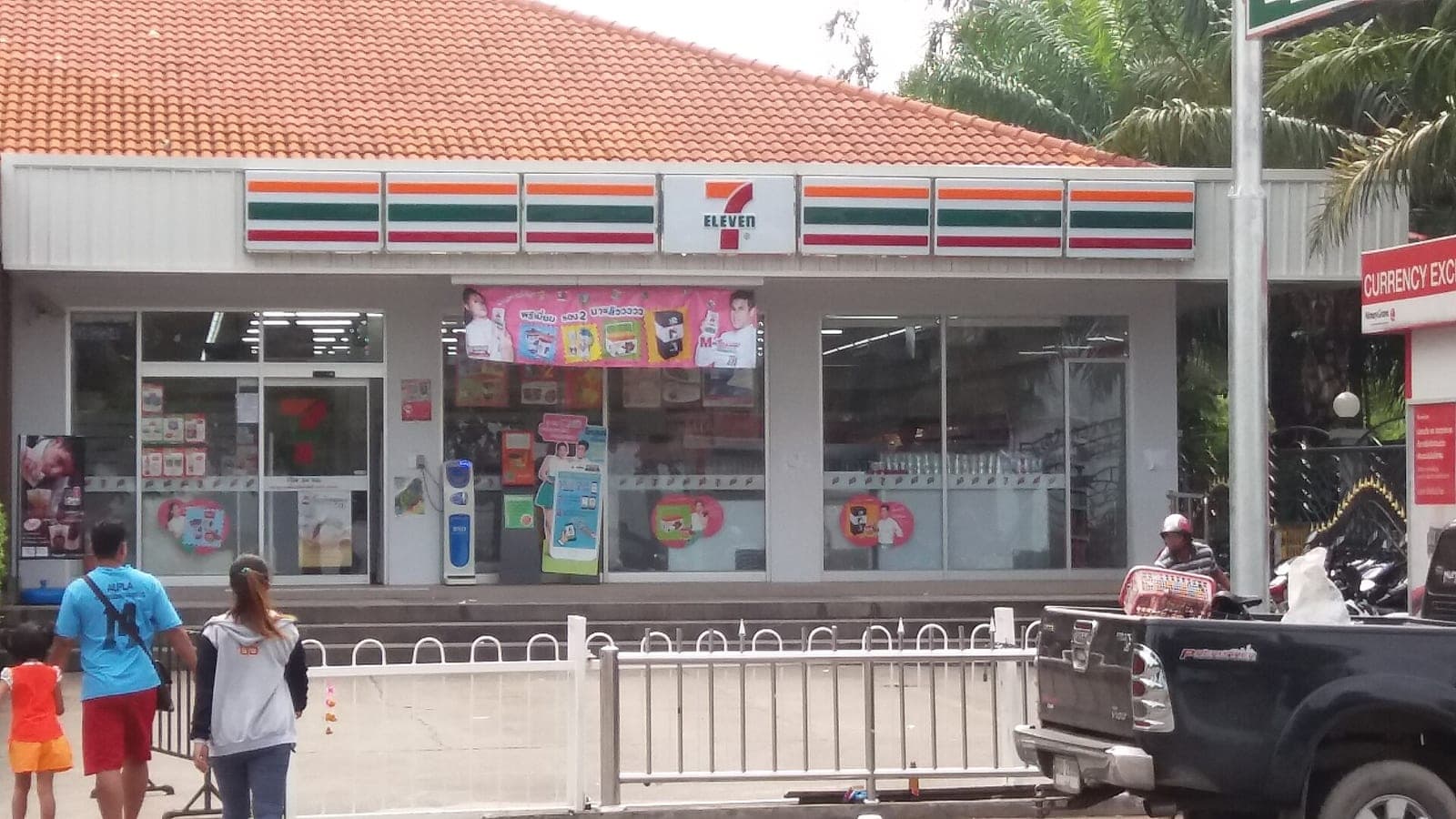
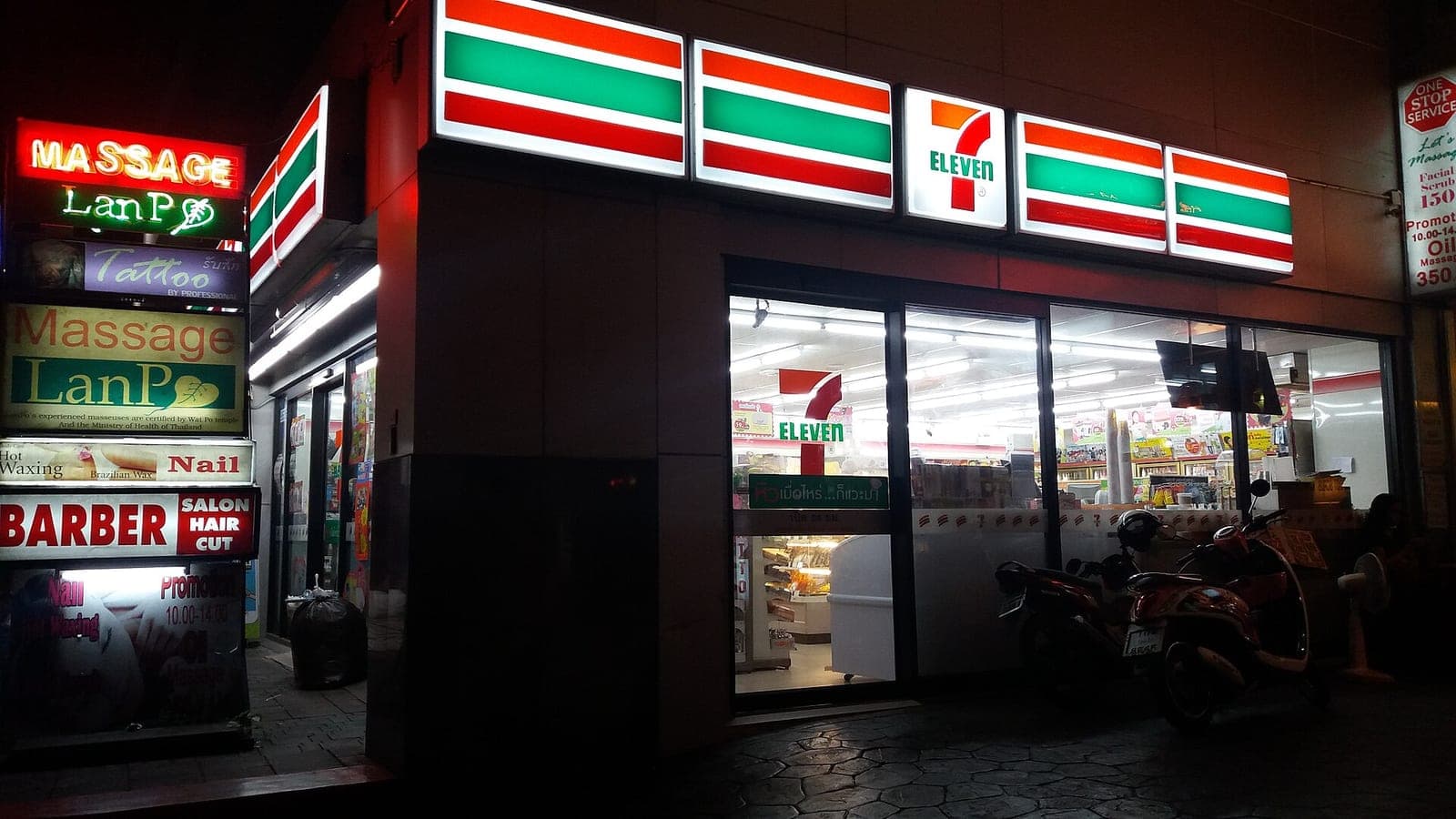
A vape. This is the big one. E-cigarettes and e-liquid have been illegal to import, sell or possess in Thailand since 2014; enforcement intensified sharply through 2025, tourists are routinely fined and devices confiscated, and importing one falls under customs law with much heavier penalties on paper. Vietnam banned e-cigarettes and heated tobacco from 1 January 2025 — possession by a tourist means confiscation and a fine. Cambodia has banned them for years. Regular cigarettes are legal everywhere and sold in every 7-Eleven.
A drone, unless you have done the paperwork. Thailand requires registration with both the telecoms regulator and the civil aviation authority before you fly one, with heavy fines for skipping it. Cambodia and Vietnam require permits that a tourist will not get. Assume the answer is no, and if you must, start the process weeks ahead.
Cannabis, in either direction. Thailand re-tightened its rules in June 2025 and cannabis flower now requires a Thai prescription; carrying any of it across a border into Malaysia, Indonesia, the Philippines, Vietnam or Singapore is a serious criminal matter. Nothing on this list is worth what those countries do about drugs.
Anything you would be upset to lose. Your good watch, your wedding ring, jewelry, the nice camera, more cards than you need. A pickpocket on Walking Street at 1am is not the risk — losing it in a taxi at the end of a long night is.
What you can buy cheaper there
Tailored shirts and trousers, cotton and linen everything, sandals, sunglasses, phone cases and chargers, toiletries, over-the-counter medicine, a barber's haircut at $3–10 (฿100–300 / ₱150–500), a massage at $9–14 (฿300–450), and a duffel bag to carry it all home in.
Which is the real argument for packing light. You are going for two weeks, you will do laundry twice, and you will spend a couple of afternoons in a mall because it is 34°C outside. Arrive with room in the bag, and start the trip with the two things that actually matter set up already: your SIM cards, eSIMs and wifi: getting connected in Southeast Asia sorted at the airport, and a first date in the calendar because you were  talking to someone for a few weeks before you flew.